
Last updated November 22, 2026
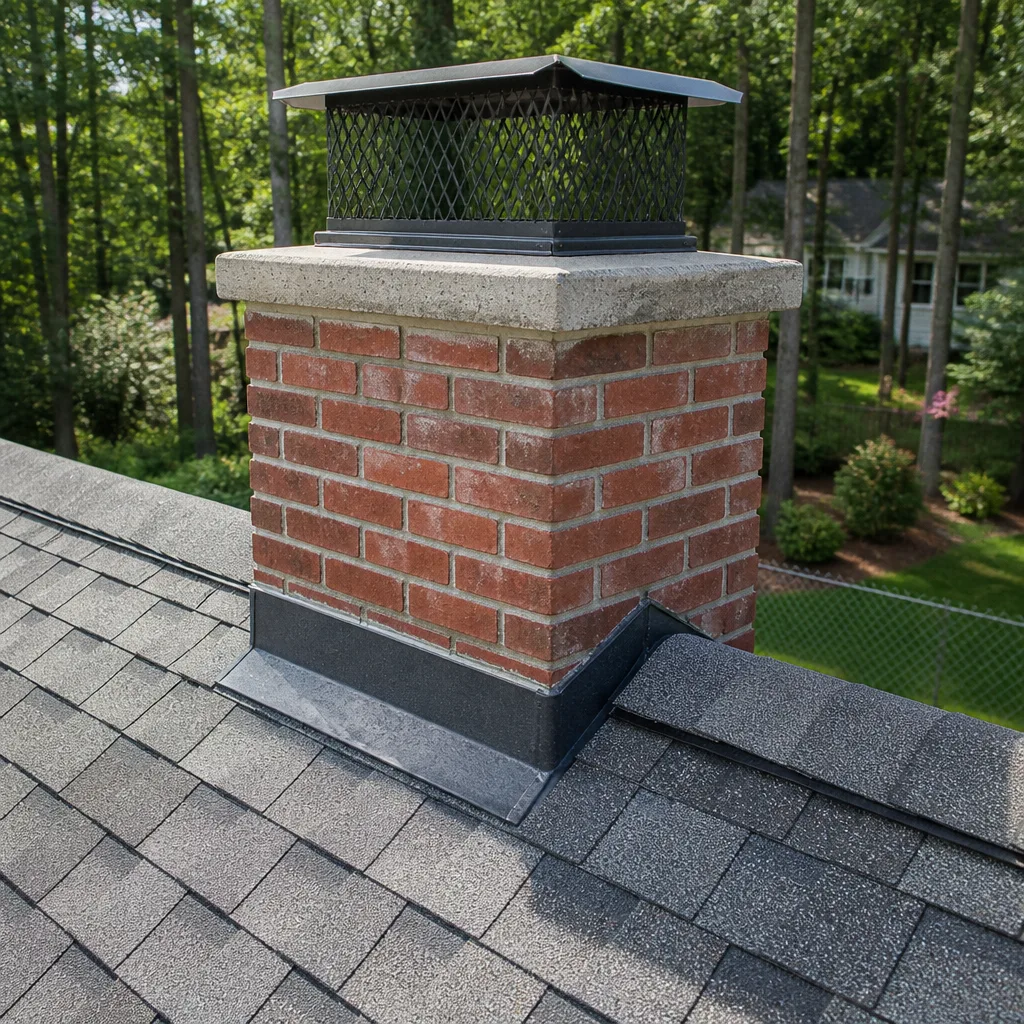 Sweep & inspection
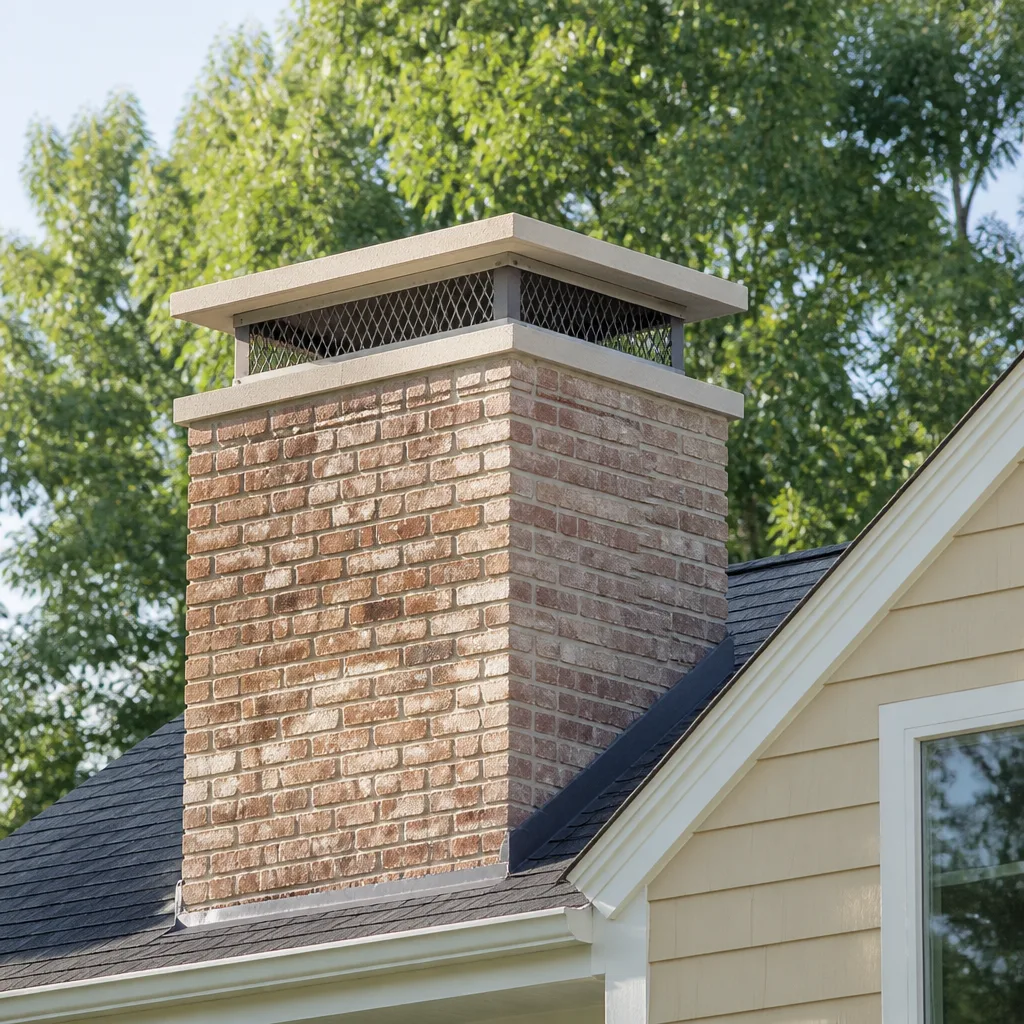 Caps & crowns
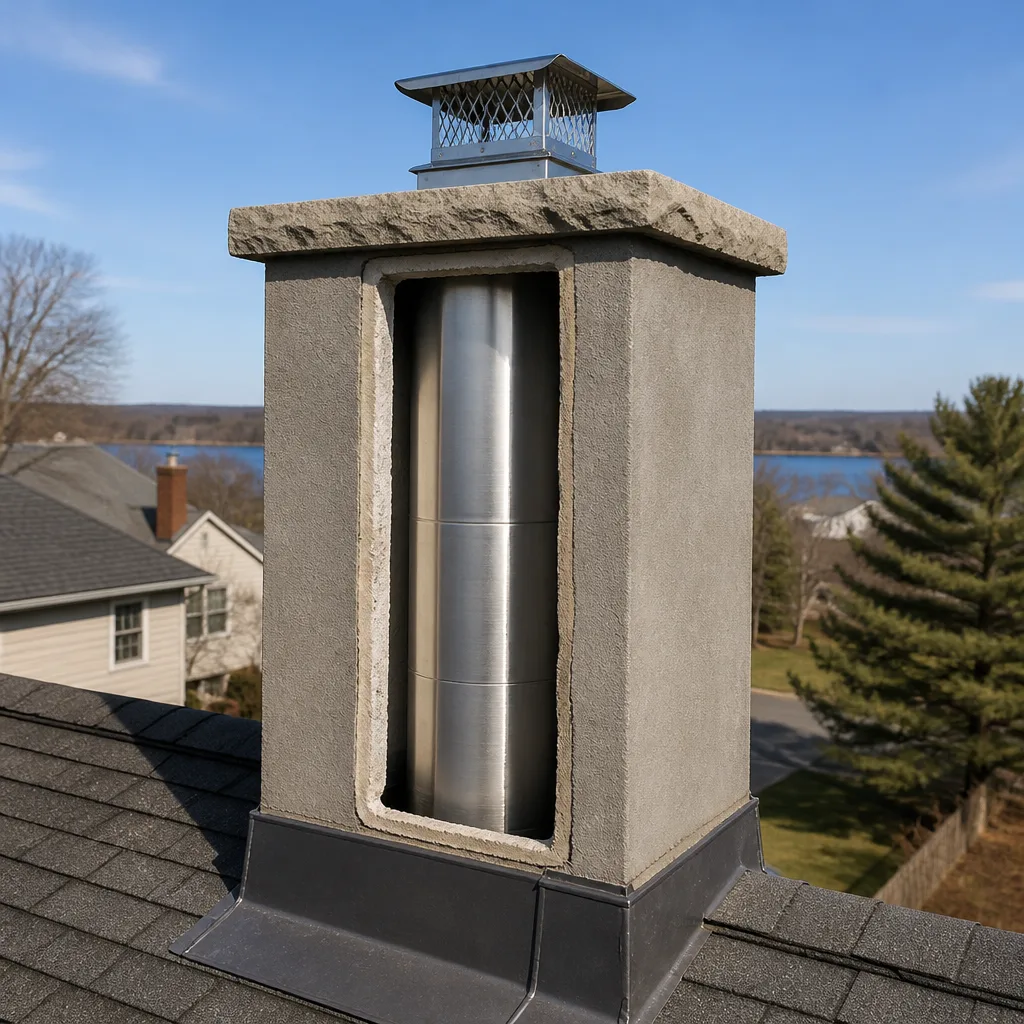 Flue relining
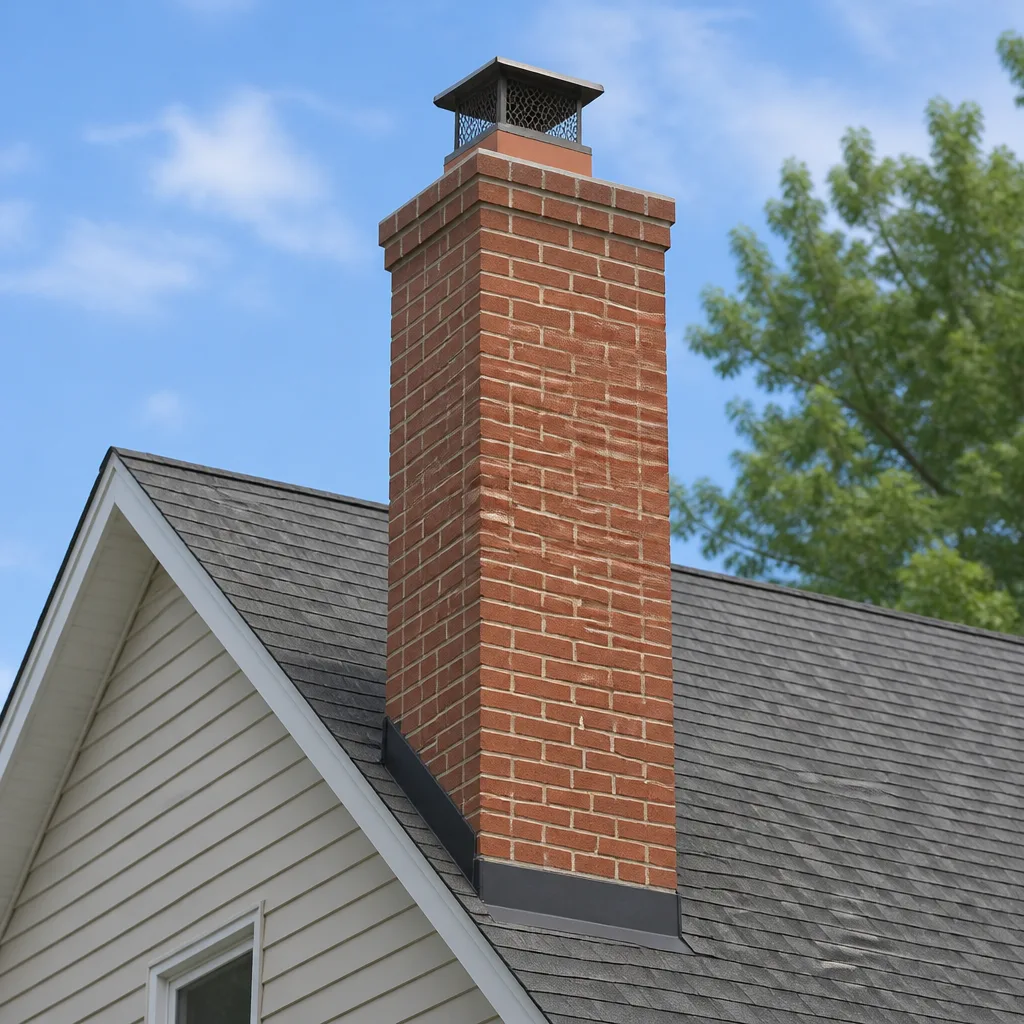 Masonry repair
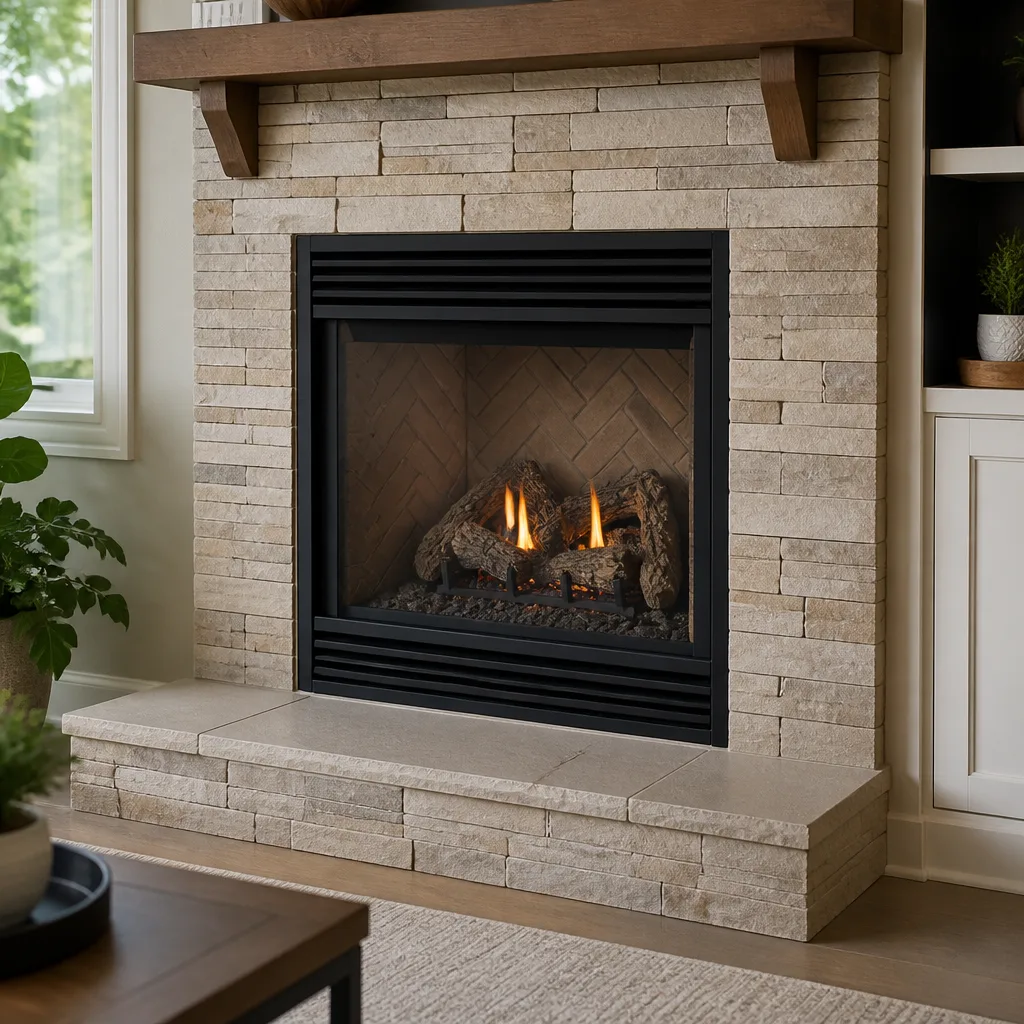 Gas fireplace service
Level 1 sweep and inspection to the NFPA 211 annual standard - flue, crown, cap, and flashing checked and photographed
Chimney sweep logs do not sweep chimneys. They loosen some creosote - which then falls where a brush and vacuum still have to collect it.
Seasonal Chimney Cleaning Care for Bushwick: Year-Round Homeowner’s Guide
Most homeowners assume winter is the season that wears a chimney down. In Bushwick, the opposite is closer to the truth. Summer is the most damaging stretch for an unswept flue: creosote left behind from last winter’s fires sits in a hot, humid shaft for months, slowly etching liner surfaces and pulling moisture deeper into the masonry long after the fireplace has gone cold. By the time you light the first fire in October, the damage is already done. This guide assigns the right chimney task to the right season so nothing compounds into a repair you didn’t see coming. You’ll get a month-by-month plan built for how chimneys actually behave in Bushwick.
Quick Answer
Year-round chimney care in Bushwick means matching each task to the season that makes it work: a full sweep in late March through May after the burn season ends, waterproofing and cap checks in the humid summer months, a draft test and startup inspection in early fall before the first fire, and mid-winter monitoring for draft failure. The single most important window is spring – it’s the cheapest and safest time to clear creosote and catch small problems before summer heat bakes them in. Booking an inspection first, before any repair is proposed, is what separates honest maintenance from guesswork.
Styles & brands we work with
- Sweep & inspection
- Caps & crowns
- Flue relining
- Masonry repair
- Gas fireplace service
Table of Contents
- Why Season Matters More Than Frequency in Bushwick
- Winter: Reading Draft Failure During Burn Season
- Spring: The Best Window to Book a Chimney Sweep
- Summer: Waterproofing, Crown Cure, and Cap Inspection
- Fall: The Pre-Season Startup Checklist
- Bushwick’s Urban Canyon Microclimate and Downdraft
- Common Mistakes to Avoid
- When to Call a Professional
Why Season Matters More Than Frequency in Bushwick
A chimney isn’t a static object. It’s a system that reacts to temperature, humidity, wind, and how often it’s used, and those inputs change month to month in Bushwick. A rowhouse chimney in February is dealing with freeze-thaw cycles and continuous heat. That same chimney in July is dealing with high humidity and no fire at all. Treating both months the same way is how homeowners end up either overpaying for unnecessary work or missing the one task that would have saved the flue.
We think about chimney care in four distinct stress phases:
- Burn season (roughly October through March): heat, creosote accumulation, and draft demand. The chimney is working hard.
- Post-season (late March through May): the flue is still loaded with deposits from the winter, but the weather is mild enough to clean and inspect comfortably. This is the repair window.
- Dormant season (June through August): no fire, but humidity, rain, and wildlife are the threats. Moisture defense is the whole job now.
- Pre-season (September through early October): the last chance to verify the system is safe before you need it. This is when inspection demand spikes.
The reason we organize the year this way, rather than pitching a generic “clean it once a year” line, is that the timing of a task changes what it costs and how much it catches. A spring sweep removes creosote before summer humidity turns it into a corrosive problem. A fall sweep only removes what’s already done its damage. Same brush, different outcome. A chimney sweep scheduled at the right time is preventive; scheduled at the wrong time, it’s just cleanup.
Bushwick’s housing stock reinforces this. Most of the neighborhood’s chimneys sit inside attached brick rowhouses, sharing walls with neighbors and often serving older flues that were built for solid fuel decades ago. Older masonry absorbs and releases moisture on its own schedule, which makes the gap between “looks fine” and “actually sound” wider here than in a detached suburban house. That’s the case for inspecting on a calendar, not on a hunch.
Winter: Reading Draft Failure During Burn Season
During the cold months, your chimney talks to you. Smoke that rolls back into the room, a fire that struggles to catch, soot collecting on the glass doors, or a sharp chemical smell when the fire is lit are all signals that draft is compromised. In Bushwick’s tight rowhouse blocks, a blocked or undersized flue often shows up as smoke backing up the moment the wind shifts, even when there’s no obvious obstruction.
Here’s what actually happens when draft fails: the chimney can’t pull combustion gases up and out fast enough, so they have somewhere else to go – into the room. That’s more than a nuisance. Carbon monoxide is a colorless, odorless gas, and a compromised draft is exactly the condition that lets it accumulate indoors. This is a genuine safety issue, not a sales angle, and it’s the reason we never tell a homeowner to “just keep burning and see if it clears up.”
The signs to watch for during burn season:
- Smoke spilling from the firebox when you open the doors or add wood
- A fire that smolders and won’t draw, especially on windy days
- Soot streaks above the firebox opening or on the surround
- A persistent smoky or acrid smell even when the fireplace is cold
- The smell of creosote – a sharp, tarry, burning-tire note – inside the house
If you see these signs mid-winter, some interim measures are reasonable while you wait for a technician: stop using the fireplace, keep the damper closed when it’s not in use, crack a nearby window before you test anything, and confirm your carbon monoxide detectors are working. What you should not do is open the firebox, reach up the flue, or try to clear a suspected blockage yourself. Creosote is flammable, flues can hide structural damage you can’t see, and the interior of a chimney is not a place to improvise. A blocked or damaged flue is a job for a trained professional with the right tools and a camera.
If a fire won’t draw in January, the honest answer is usually that something in the flue – a partial obstruction, a collapsed liner section, a nest – needs to be seen before it’s diagnosed. A chimney repair decision made in winter should be based on what a camera shows, not a guess. Book the inspection, get the diagnosis, and decide from there.
Spring: The Best Window to Book a Chimney Sweep
Late March through May is the best time to schedule a chimney sweep in Bushwick, and it’s not a marketing preference. The burn season is over, the deposits from a full winter are still sitting in the flue where they can be measured and removed, and the weather is mild enough that an inspection can be thorough without rushing. A spring sweep clears creosote before the humidity of June turns it into a corrosive layer that eats into liner surfaces.
There’s a practical reason too. Fall bookings are the tightest of the year. If you want your chimney looked at before the first fire, you’re competing with every other homeowner in the neighborhood doing the same thing. Spring lets you skip that crunch entirely.
A full post-season service should include more than a brush and a vacuum. Here’s what we’d expect from a proper spring visit:
- A complete flue sweep from the top down where access allows, removing soot and creosote from the firebox through the flue.
- A camera inspection of the flue lining, looking for cracks, gaps, and separation at the joints.
- A firebox and damper check – damper operation, firebox brick condition, and the smoke shelf above the damper.
- A crown and cap inspection – the crown is the concrete or masonry top of the chimney that sheds water; the cap keeps rain, birds, and debris out.
- A written report with photos of anything that needs attention, plus a clear note on what can safely wait.
That last point matters to us more than it might sound. If a flue has a hairline crack that isn’t causing a safety issue yet, saying so plainly – and telling you to check it next spring – is more useful than pushing a reline you don’t need. We diagnose before we recommend, and the diagnosis should always be something you can see for yourself.
If the inspection turns up a deteriorating flue, spring is also when restorative work makes the most sense. HeatShield resurfacing can rebuild the inside of a damaged flue in place, without demolition, and it cures well in the moderate spring temperatures. That’s a repair most sweep-only outfits can’t offer, and it’s worth asking about specifically if a crack or spalled lining comes up. Our technicians have up to 10 years of experience and work with professional-grade materials rather than off-the-shelf substitutes.
Summer: Waterproofing, Crown Cure, and Cap Inspection
The fireplace is cold, so most homeowners stop thinking about the chimney entirely. That’s a mistake, because summer is when the biggest slow-moving damage happens. Water is the leading cause of long-term chimney deterioration, and a dormant chimney in a humid Brooklyn summer is exposed to it from every direction – rain driving against the stack, moisture wicking up through brick, and condensation forming inside a flue with no fire to dry it out.
Summer is the right window for moisture defense because the weather cooperates with the materials. Waterproofing applied to a chimney exterior needs several dry, warm days to cure properly. A crown sealant needs similar conditions. Doing this work in late spring or early summer gives the materials the cure time they need; doing it in October means you’re racing the first cold snap and the first storm.
What summertime moisture defense actually involves:
- Crown sealing or repair. The crown is the sloped top of the chimney that sheds water away from the flue. When it cracks, water runs straight down the inside of the masonry. A crack that starts small in June becomes a soaked chimney wall by September.
- Masonry waterproofing. A breathable water repellent applied to the exterior brick and mortar keeps liquid water out while letting moisture inside the masonry escape. Sealing with the wrong product – something that traps vapor – can make spalling worse. This is a place where trade-grade materials matter.
- Chimney cap inspection. Spring nesting season is over by early summer, and a cap that took a hit from birds or a fallen branch is easier to spot now. A damaged cap lets in rain, squirrels, and debris all summer long.
Summer is also a good time to think about a chimney cap & crown upgrade if the current setup is undersized or cracked. Famco and Olympia Chimney make caps and structural components built for real weather, and a properly fitted cap, cut to the flue’s actual dimensions, is a small investment that prevents a long list of summer problems. The copper and stainless options from Copperfield are worth asking about if you want something that will last as long as the chimney itself.
The humid summers here make cure time a real variable. A crown sealant that sets up in two days in dry weather might need three or four in a stretch of muggy Brooklyn July. A reputable technician will build that into the schedule and tell you what weather to watch for.
Fall: The Pre-Season Startup Checklist
October is the busiest month for chimney inspection in Bushwick, and it fills up faster than any other. Everyone who meant to schedule a sweep over the summer decides in late September to get it done before the first fire. The problem is that if your inspection turns up something that needs repair, you’re now waiting in line with everyone else, and the fireplace may sit unused until the work gets done. The solution is simple: book the inspection in September, not October.
The fall startup is about verifying the system is ready, not just cleaning it. Here’s the checklist we’d run through before the first fire:
- Visual exterior check. Look at the chimney stack from the ground. Missing mortar, loose bricks, a tilted cap, or visible cracks in the crown are all signs something needs attention before you light a fire.
- Cap and screen check. Confirm the cap is seated, the spark screen is intact, and nothing has nested inside over the summer.
- Damper operation. Open and close the damper by hand. It should move freely and seat fully closed. A damper that sticks open wastes heat all winter.
- Firebox and hearth cleaning. Clear out ash and any debris that collected over the dormant season. Check the firebox brick and mortar for cracks.
- Carbon monoxide detector test. Push the test button on every CO detector in the home. This should be done every fall regardless of chimney health.
- The draft test. With the damper open, hold a lit match or a piece of smoldering paper near the open firebox and watch what the smoke does.
The draft test is the one homeowners ask about most. What you’re looking for is simple: the smoke should be pulled steadily up and into the flue. If it drifts back into the room, hovers, or gets pushed back at you, the draft is compromised and you shouldn’t light a fire until it’s inspected. A slight hesitation on a still, warm afternoon is common and usually resolves on a cold day. Smoke that blows back into the room on a cold morning is not normal, and it’s a reason to call before you burn.
This is the point in the year when a pre-season inspection earns its keep. A licensed and experienced technician will run a camera down the flue, check the liner and the joints, verify the cap and crown, and hand you a report with photos. That’s the difference between knowing your chimney is ready and hoping it is.
Bushwick’s Urban Canyon Microclimate and Downdraft
Bushwick’s rowhouses are built shoulder to shoulder, and the gaps between them form narrow vertical channels that change how wind behaves. When prevailing wind hits the face of a block and gets squeezed between adjacent rowhouse walls, it accelerates and curls. That curled air has to go somewhere, and one of the places it goes is down the nearest chimney. This is what produces the downdraft complaints we hear in certain parts of the neighborhood – a fire that burns fine in calm weather but pushes smoke back into the room the moment the wind picks up.
Downdraft is seasonal for a reason. The strength and direction of the wind coming off the urban canyon changes with the season, and so does the temperature difference between the air outside and the air inside the flue. A chimney that fought you all winter may behave fine in July, simply because the pressure setup is different.
What actually helps with repeated downdraft:
- Correct flue height. A flue that ends below the roofline or too close to a taller neighboring structure is more vulnerable to turbulence.
- A properly sized cap. An undersized or open-top cap doesn’t shield the flue opening from crosswinds. A cap with the right dimensions and an internal screen does a lot to break up wind shear.
- Pre-warming the flue. On a cold morning, holding a lit roll of newspaper up near the open damper for a minute before lighting the fire can establish upward draft. This is a diagnostic habit, not a fix – if the fire still won’t draw, the problem is upstream.
- Checking for obstruction. A partially blocked flue is more sensitive to downdraft, because there’s less flow to overcome the pressure pushing air back down.
Downdraft that only happens once or twice a season is usually just the wind. Downdraft that happens every time the wind switches direction is a signal that something about the flue’s height, cap, or interior condition needs to be looked at. That’s a job for a specialist who can put a camera in the flue and see what’s actually going on, rather than a generalized handyman guess.
Why Inspection Comes Before Any Repair
The most expensive chimney mistake isn’t a cracked crown or a worn liner. It’s paying for a repair you didn’t need because nobody took the time to look first. Chimney work attracts upsells the same way any trade does, and the homeowner’s real worry – being told they need thousands of dollars of liner or masonry work they have no way to verify – is a fair one.
Here’s how to protect yourself. Ask for an inspection report with photos. A Chimney Sweep Bushwick inspection is a standalone service for exactly this reason: the diagnosis should come before any repair recommendation, so you can decide what to do with actual evidence in hand. If a technician tells you your flue needs relining, ask to see the camera footage. If they say the crown is failing, ask for a photo of the crown. A specialist should be able to show you the problem, not just describe it.
It’s also reasonable to ask which repair can safely wait. Most chimney problems aren’t emergencies, and a technician with integrity will tell you when a small crack is fine for another season and when it needs to be addressed now. A flue with a hairline fissure that isn’t compromising draft can often wait for the next spring window. A flue with a separated liner section, or a crown that’s actively letting water into the masonry, needs attention before winter.
The materials matter too. If a repair is needed, ask what product is being used. DuraFlex flexible liner systems are designed for minimally invasive installation – they can be fitted through an existing flue without major demolition – and HeatShield resurfacing can restore a deteriorating flue in place. These are professional-grade options that a general sweep can’t offer, and knowing the difference is part of choosing the right specialist. We work with DuraFlex, HeatShield, Gelco, Olympia Chimney, Famco, and Copperfield, which means the repair scope is matched to the right product rather than the nearest substitute.
One more piece of the seasonal argument for inspection-first care: a spring inspection takes the pressure off. You’re not sitting in a cold living room in November deciding whether to authorize a repair on the spot. You’re looking at photos in April with time to plan. That’s when good decisions about chimney care get made.
Common Mistakes to Avoid
- Waiting until October to book a sweep. Bushwick’s pre-season demand is the highest of the year, and a late booking means a compressed timeline if a repair turns up. Book the inspection in September or, better, spring.
- Burning unseasoned wood to “get through” a cold snap. Wet wood produces more creosote and less heat, which is the worst combination for your flue. Seasoned wood burns hotter and cleaner, and it costs less to burn.
- Assuming a chimney that isn’t in use doesn’t need care. A dormant chimney is still exposed to rain, humidity, and wildlife all summer. Moisture and nesting are the two most common dormant-season problems, and neither shows up until it’s advanced.
- Waterproofing with a product that traps vapor. The wrong sealant – one that forms a vapor barrier on the exterior – can cause spalling by keeping moisture trapped inside the brick. Ask what product is being used and whether it’s breathable.
- Running a draft test in warm, still weather and concluding the chimney is fine. Draft behaves differently in July than in January. The test that matters is the one you run on a cold morning before the first real fire.
- Clearing a suspected blockage yourself. Reaching up the flue or trying to dislodge a nest from below is a real injury risk, and it ignores the possibility of structural damage you can’t see. This is the one category of chimney work that always calls for a trained professional.
- Choosing a repair estimate without asking to see the diagnosis. A recommendation without camera evidence isn’t a diagnosis – it’s a sales pitch. Ask for photos and for a written report.
When to Call a Professional
Some chimney problems announce themselves and some stay quiet until they’re expensive, so the triggers for calling a technician split along the same lines. Call right away if smoke blows back into the room when the fire is lit, if you smell creosote or gas inside the house, if you see visible damage to the chimney exterior after a storm, or if a CO detector goes off. Those are safety signals, not maintenance items. Call for a scheduled visit if it’s been more than a season since the last sweep, if you can’t remember the last inspection, if you’re buying or selling a home with a wood-burning fireplace, or if you’re about to start using a fireplace that sat idle all summer. A trained professional with up to 10 years of experience and a camera will tell you in one visit what needs doing and what can wait.
Chimney Sweep Bushwick offers free estimates in Bushwick. Call (855) 337-1157. We answer 24/7. Fast dispatch from 7am to 7pm, Sunday through Friday.
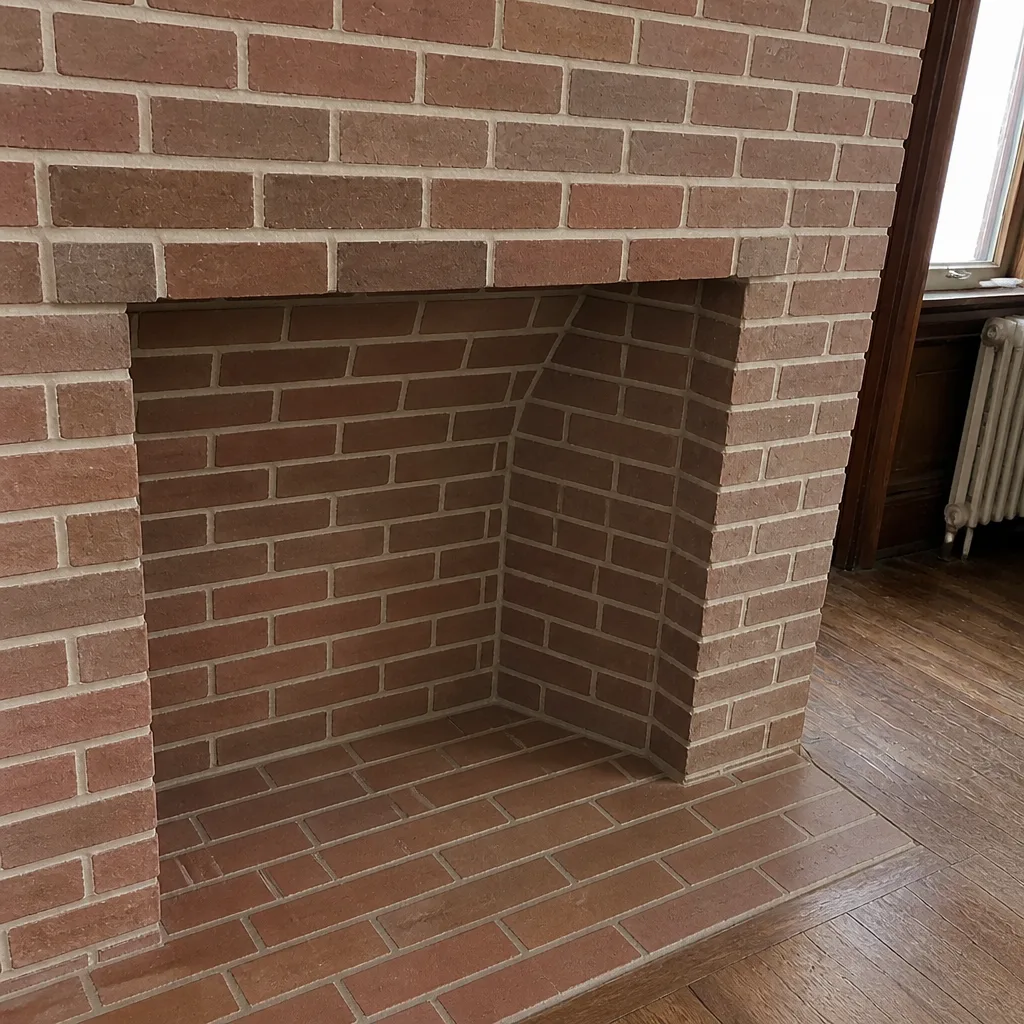
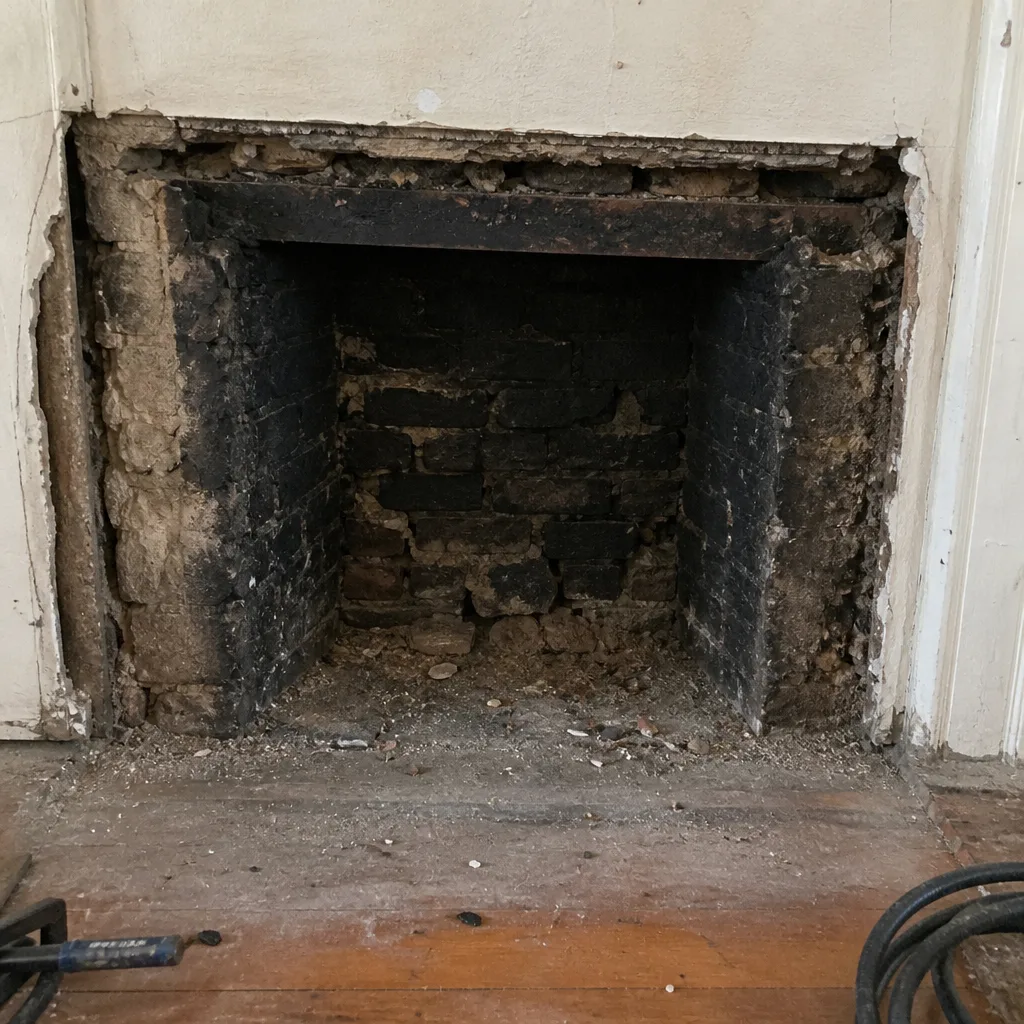
See the difference
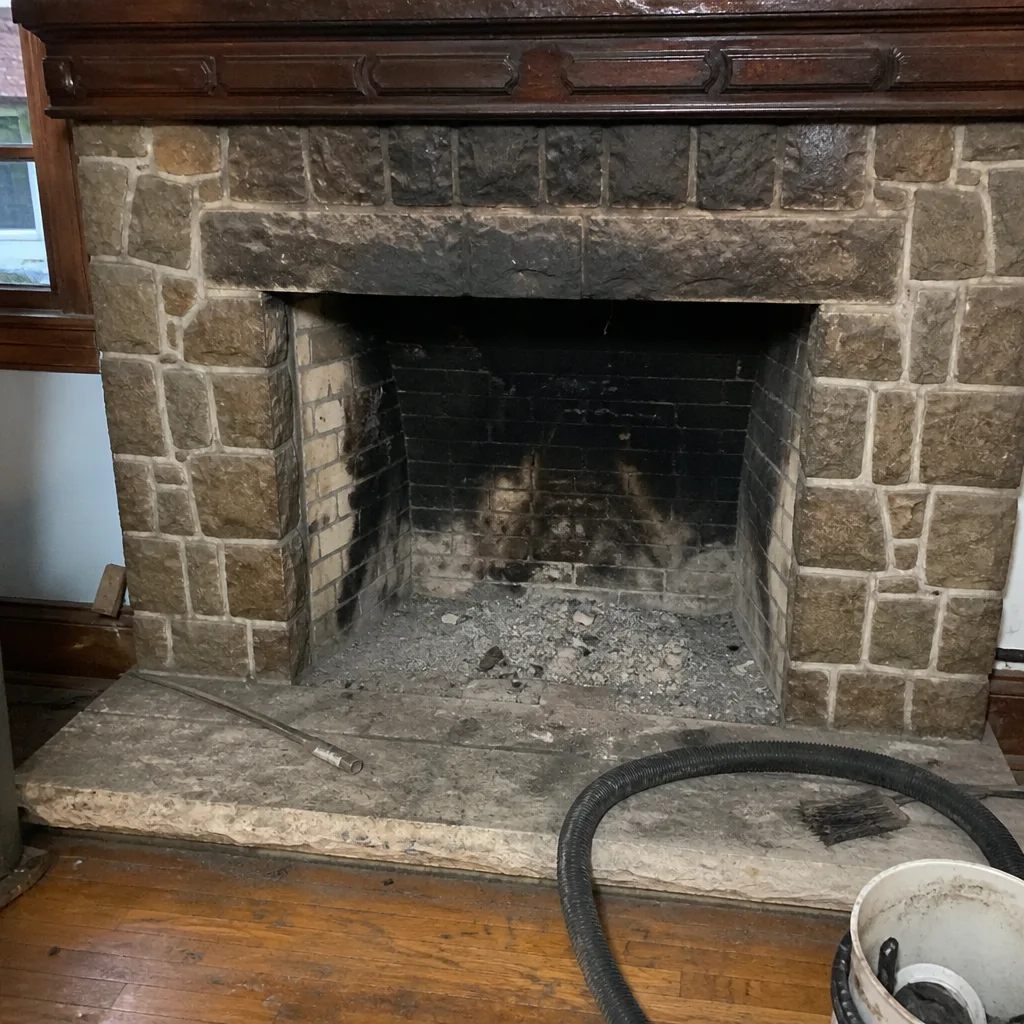 Before
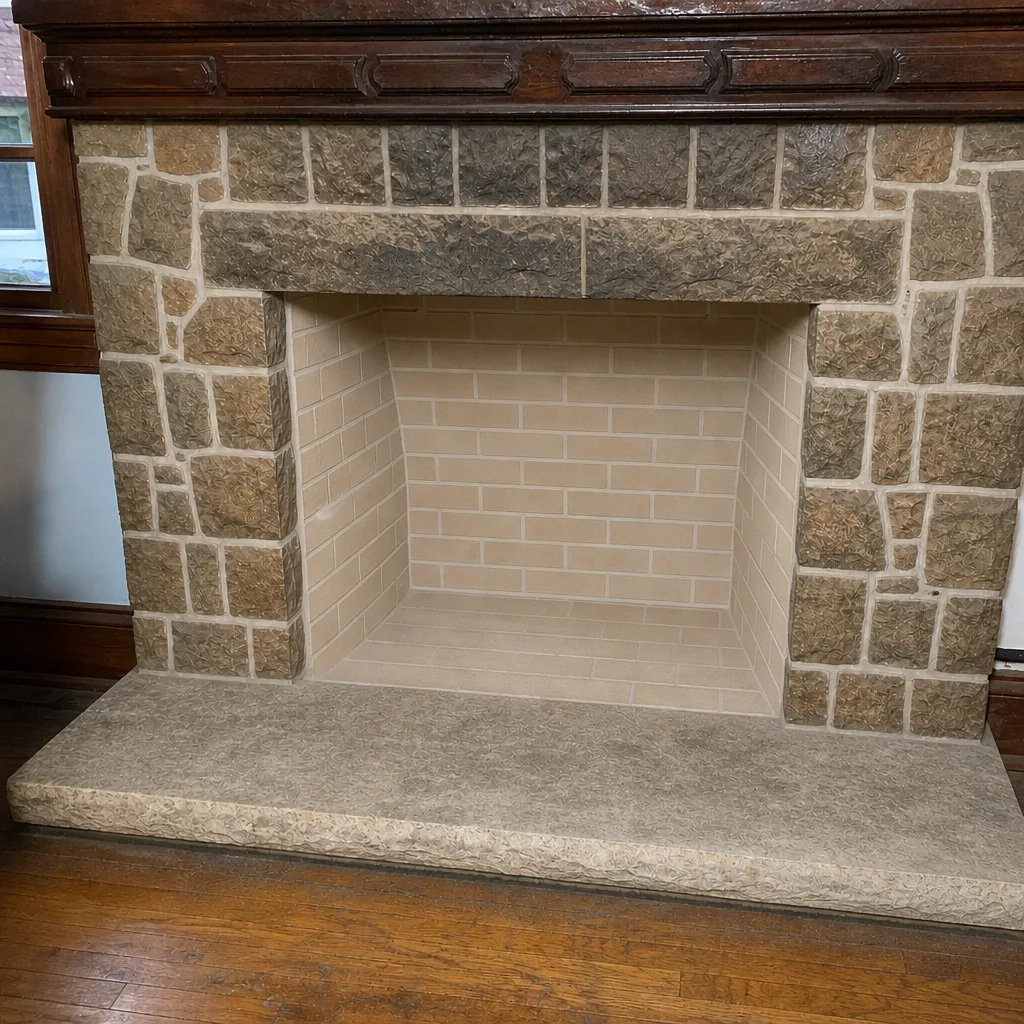 After
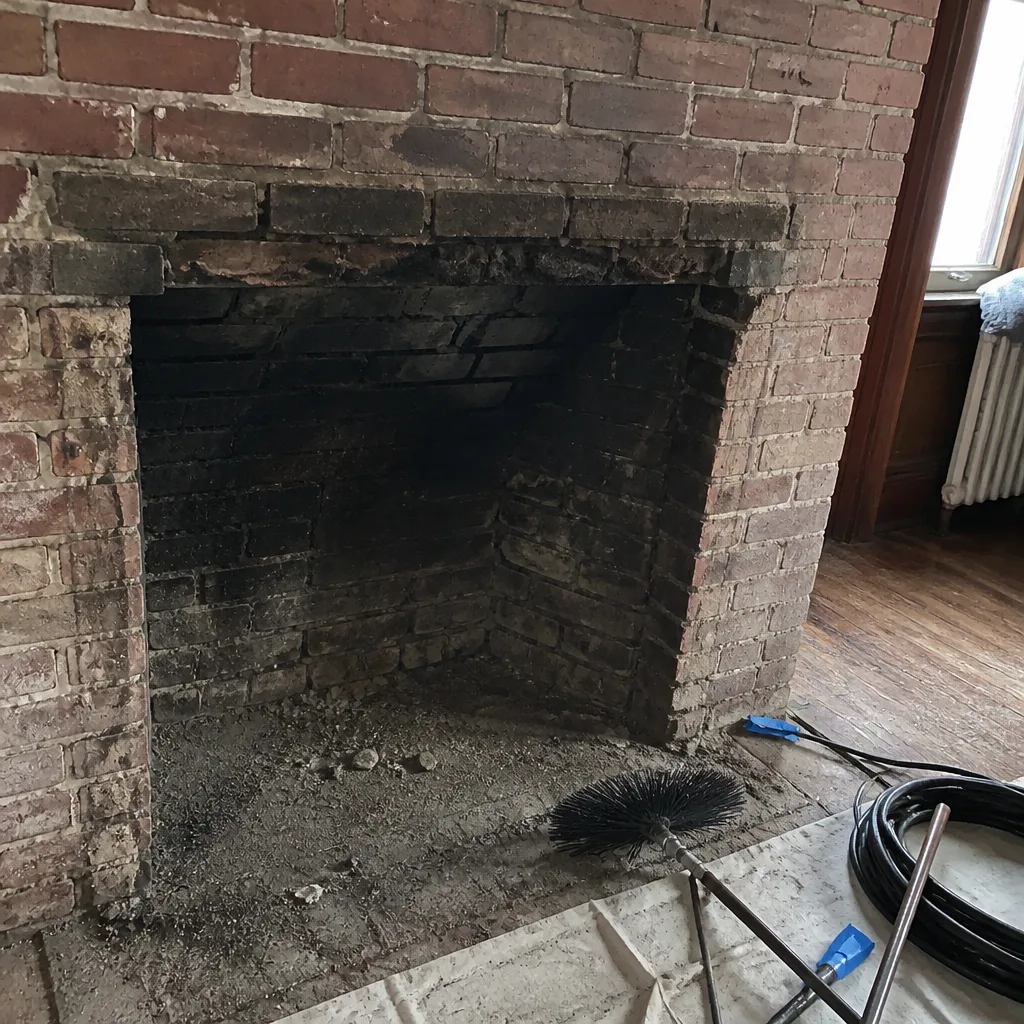 Before
 After
 Before
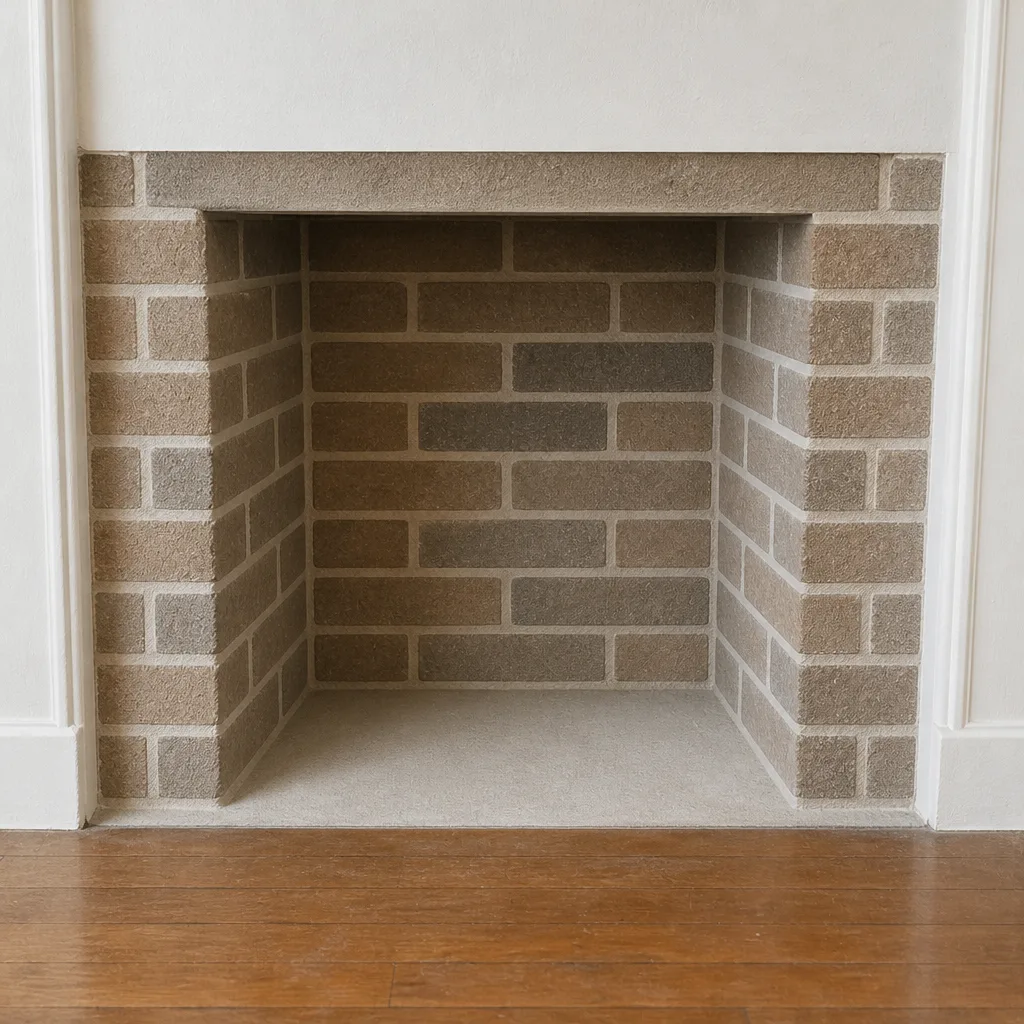 After
Frequently Asked Questions
A standard chimney sweep in Bushwick typically runs somewhere between $150 and $350 for a basic service on a single flue, and an inspection with camera footage usually runs $100 to $300 on top depending on what’s being checked. A repair like crown sealing, cap replacement, or a HeatShield resurfacing job is priced separately per the specific scope, and the written estimate always sets the final price. Call (855) 337-1157 for an exact quote – estimates are free.
Not necessarily – a new liner is only warranted when a camera inspection shows actual breaches: cracks that go through the liner wall, separated joints, or spalling that’s breaking down the flue surface. A hairline crack that isn’t compromising draft can often be watched for another season, and HeatShield resurfacing restores a deteriorating flue without a full reline in many cases. Ask to see the camera footage before you authorize anything. Call (855) 337-1157 to schedule the inspection that will answer it.
Once a year during active burn season is the standard for a wood-burning fireplace, and more often if you’re burning frequently or using unseasoned wood. For most Bushwick homeowners, that means scheduling the sweep in late March through May, right after the burn season ends, so the flue is clean before summer humidity sets in. If you’ve skipped a year, don’t wait for a fall booking – call (855) 337-1157 and get on the schedule.
Creosote builds up in the flue and becomes flammable, which raises the risk of a chimney fire, and a hot humid summer etches that creosote into the liner surface while it sits. Water intrusion from a failing crown or cap then works on the masonry from the outside. None of these show up as a single dramatic event – they compound quietly, which is exactly why the seasonal plan exists. Call (855) 337-1157 and book an inspection before the next burn season.
Yes – late March through May is the ideal window. The flue still holds the season’s deposits, the weather is mild enough for thorough work, and you’re ahead of the fall rush that clogs every chimney schedule in the neighborhood from September on. Repairs caught in spring have months to cure before the first cold snap. Call (855) 337-1157 to book a spring slot now.
Sometimes. A properly sized cap with an internal screen does a lot to break up wind turbulence in Bushwick’s rowhouse corridors, but downdraft can also come from a flue that’s too short, an obstruction, or a liner issue. The only way to know which is the case is to have the flue inspected with a camera. Call (855) 337-1157 and we’ll inspect first, recommend second.
The Bottom Line
Year-round chimney care in Bushwick is about timing, not repetition. Winter is for watching for draft failure and stopping use when something’s wrong. Spring is the sweep window – late March through May, when the deposits are still in the flue and the weather lets a proper inspection happen. Summer is for waterproofing, crown cure, and cap checks, because moisture is the slow killer. Fall is for the startup checklist and the draft test, booked in September before October fills up. And through all four, the rule doesn’t change: inspection first, diagnosis with photos, repair only when the evidence says it’s time. That’s the whole plan, and it saves money in every season.
If you’re not sure which season your chimney is in, call Chimney Sweep Bushwick at (855) 337-1157 for a free estimate. We answer 24/7. Fast dispatch from 7am to 7pm, Sunday through Friday. From inspection to repair, it’s handled by the same specialist crew, with professional-grade materials like DuraFlex, HeatShield, and Copperfield, not off-the-shelf substitutes.
Written by the team at Chimney Sweep Bushwick.