
Last updated November 22, 2026
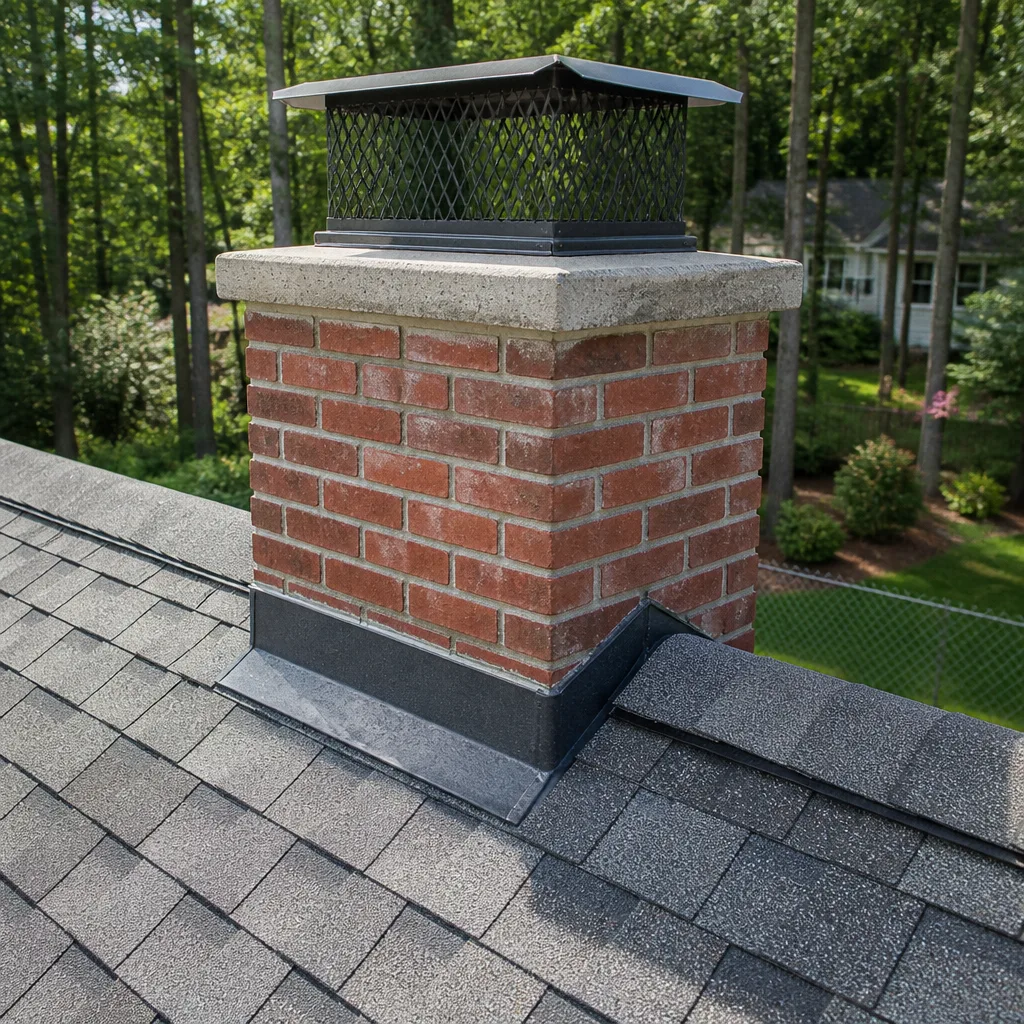 Sweep & inspection
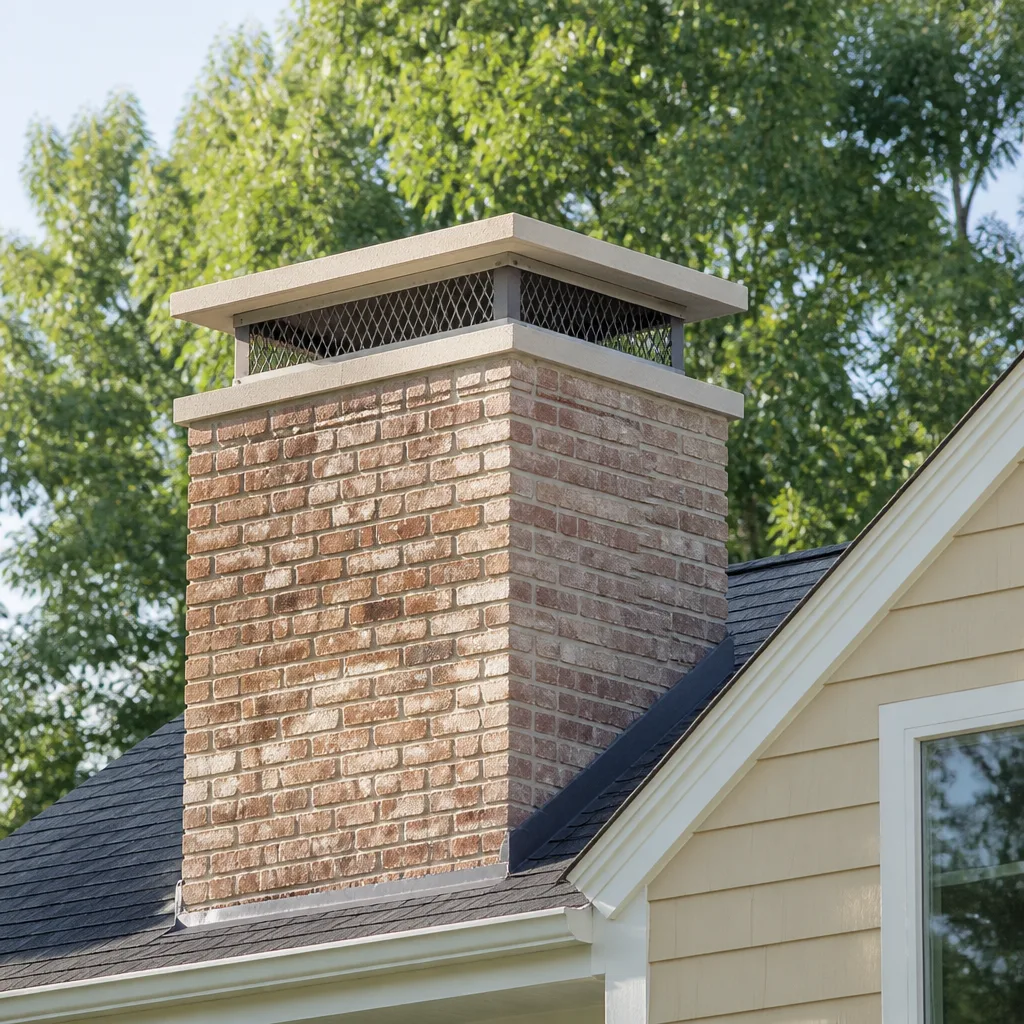 Caps & crowns
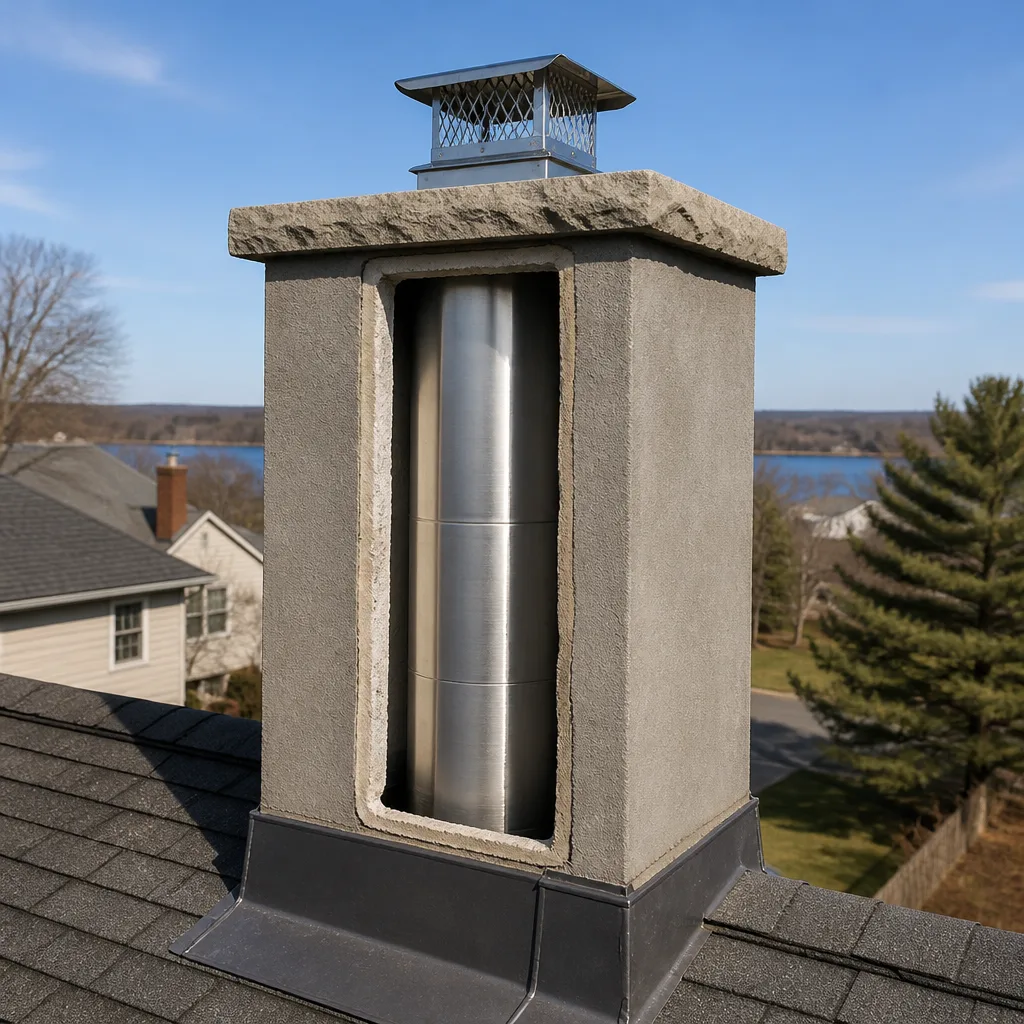 Flue relining
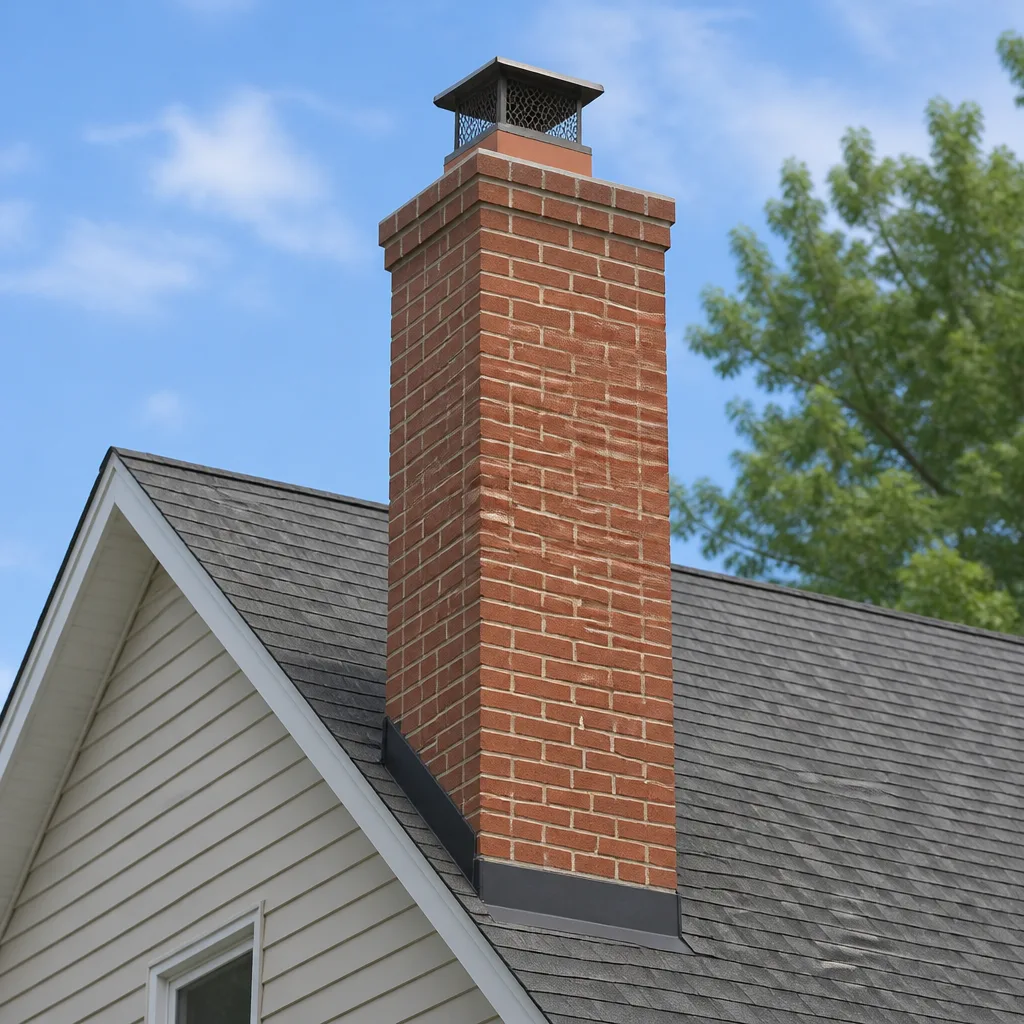 Masonry repair
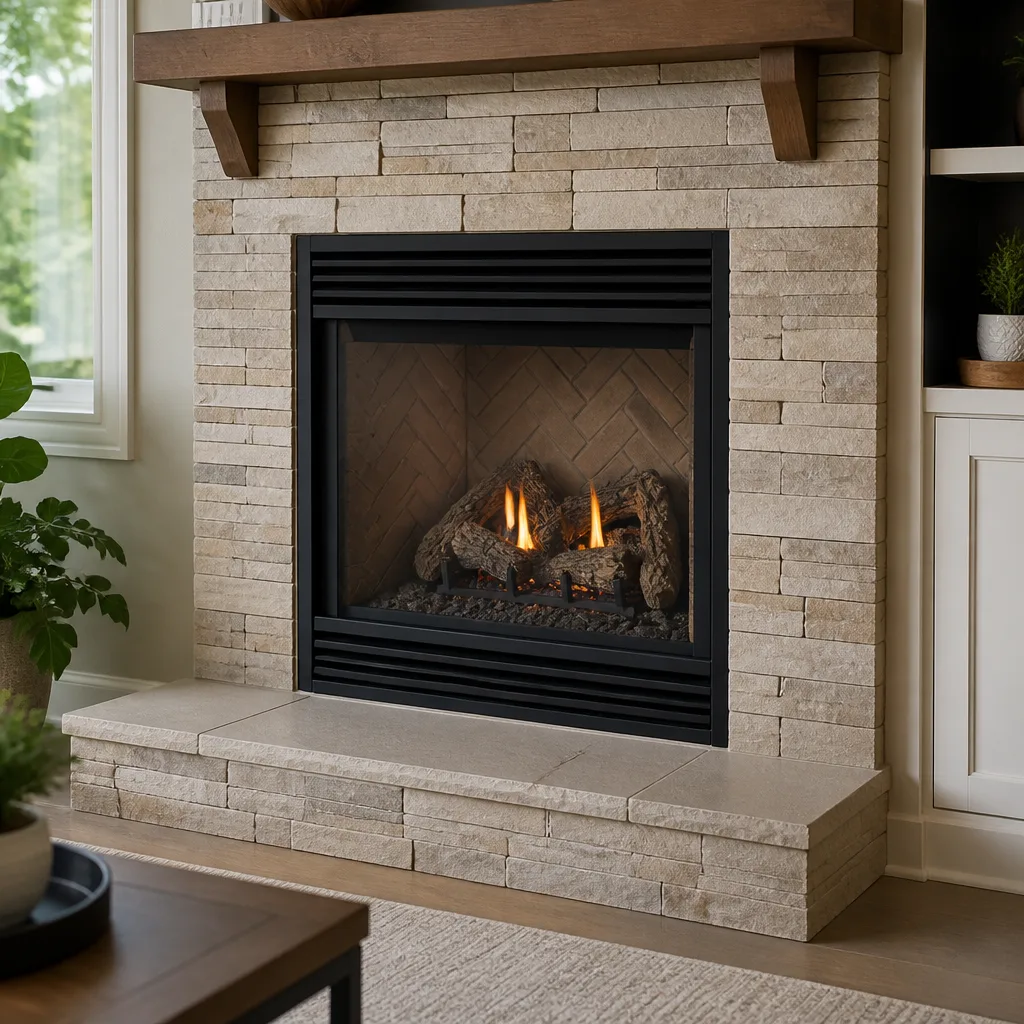 Gas fireplace service
Level 1 sweep and inspection to the NFPA 211 annual standard - flue, crown, cap, and flashing checked and photographed
Chimney sweep logs do not sweep chimneys. They loosen some creosote - which then falls where a brush and vacuum still have to collect it.
Chimney Cleaning Permits, Codes & Inspections in Bushwick, NY: What You Need to Know
A liner replacement done without a NYC DOB permit isn’t just a code violation. It’s an unverified installation, and if a fire ever starts in that flue, the paperwork trail matters as much as the materials. Most Bushwick homeowners assume every chimney job needs a permit, and a few assume none of them do. Both are wrong, and the gap between those two assumptions is where expensive problems live. In this guide we draw the line precisely: which chimney services in Bushwick trigger a filing with the Department of Buildings, which count as routine maintenance, what the Fire Code says about a wood-burning fireplace, and how a city inspection differs from a chimney technician’s inspection. No scare tactics. Just the rules, in plain language.
Quick Answer
In Bushwick, routine chimney cleaning and sweeping generally do not require a permit, but liner replacement, structural chimney repair, and new solid-fuel appliance installation usually do under NYC Administrative Code §28-105.1. A sweep keeps your flue clear; a permit covers work that alters the chimney structure or its venting. Those are two different jobs with two different sets of rules.
Styles & brands we work with
- Sweep & inspection
- Caps & crowns
- Flue relining
- Masonry repair
- Gas fireplace service
Table of Contents
- Where Routine Maintenance Ends and a Permit Begins
- What NYC Administrative Code §28-105.1 Actually Requires
- Filing With the DOB in Brooklyn’s Community Board 4
- NYC Fire Code §603 and Your Wood-Burning Fireplace
- Co-op and Condo Board Rules for Shared Chimney Elements
- City Inspection vs. CSIA Technician Inspection: Not the Same Thing
- How Bushwick’s Housing Stock Shapes Chimney Work
- Timing Your Work Around Heating Season
Where Routine Maintenance Ends and a Permit Begins
The single most useful distinction in this guide is the one between maintenance and alteration. A chimney sweep removes creosote, soot, and blockages from a flue that already exists and is already venting correctly. That’s maintenance, and the city doesn’t require a filing for it. When the work changes the chimney itself – the flue lining, the crown, the structure of the stack, or the appliance connected to it – it moves into permit territory.
Here’s how we sort services in the field, and how you should sort them before booking anything:
- Routine sweep and creosote removal: No permit. This is cleaning an existing, functioning system.
- Level 1 or Level 2 inspection: No permit. Diagnostics are not construction.
- Chimney cap and crown replacement: Crown work that reshapes the top of the stack often needs a filing because it’s a structural repair to the chimney. A simple cap swap usually does not. Ask before you book, because the answer depends on the scope.
- Flue liner replacement or relining: Permit required. This is an alteration to the venting system and is the filing Bushwick homeowners most often get surprised by.
- New fireplace insert or wood stove installation: Permit required, and the appliance connection has to be inspected.
- Rebuilding a chimney above the roofline: Permit required. Masonry work of this scale is structural.
The practical takeaway: if a contractor tells you a full reline “doesn’t need paperwork,” that’s your sign to slow down. A liner is the component that keeps combustion gases inside the flue and heat away from the house framing. When it’s replaced, the city wants a record of who did it and how. Our technicians have up to 10 years of experience, and in that time the pattern has been consistent – the jobs that skipped the filing are the ones that cause headaches at resale, at insurance renewal, or after any incident.
What NYC Administrative Code §28-105.1 Actually Requires
NYC Administrative Code §28-105.1 is the section that sets the permit threshold for construction work in the city, and it applies to chimney work the same way it applies to any other construction. The rule, in plain English: work that alters a building’s structure, its means of egress, or its mechanical and venting systems requires a permit. Work that is purely maintenance or repair-in-kind generally does not.
That’s the framework. Applying it to a chimney means three questions:
- Does the work change the flue or venting system? A reline, a new liner material, a change in flue size, or a new appliance connection all change the system. That triggers a permit.
- Does the work alter the chimney structure? Removing or rebuilding masonry, changing the height of the stack, or reshaping the crown counts as an alteration and needs a filing.
- Is the work repair-in-kind to an existing, compliant system? Replacing a damaged cap with a cap of the same type, or clearing a blocked flue, is maintenance. No filing.
The code doesn’t write a separate chapter for chimneys. What it does is make the venting system part of the building’s regulated mechanical systems, so the same threshold that governs a furnace or a water heater applies to your fireplace flue. That’s the point Bushwick homeowners miss. They hear “chimney” and think of a cleaning service, not construction work. But a reline is construction work, and it’s regulated as such. If you’re ever unsure which side of the line a job falls on, ask the contractor to tell you in writing whether a permit will be filed. A specialist will answer without hesitation.
Filing With the DOB in Brooklyn’s Community Board 4
Bushwick sits inside Brooklyn’s Community Board 4, and that matters for how chimney permits move through the Department of Buildings. The DOB reviews filings by district, and a complete application – scope of work, drawings where required, the licensed contractor’s information, and the fee – is what determines how long approval takes. In Brooklyn, the typical timeline ranges from a few weeks for a straightforward reline filing to longer when the scope involves structural masonry or a change to the appliance. We won’t quote you a specific number of days, because it moves with DOB workload, and anyone who promises an exact approval date is guessing.
Here’s what you can do to keep the timeline from stretching:
- Get the scope in writing first. A vague scope means a vague filing, and vague filings get returned for more information.
- Confirm who is pulling the permit. The licensed contractor performing the work files the application. If a company tells you that you, the homeowner, should pull the permit yourself, that’s a red flag in most chimney work – it shifts the compliance burden onto you.
- Expect an inspection as part of the process. A filed permit usually comes with a required inspection before the job is closed out. That’s the city verifying the work, not a courtesy visit.
- Keep the paperwork. The permit and the closed-out inspection record are the documents you’ll want when you sell or refinance. Losing them turns a clean job into a paperwork problem.
This is where working with a specialist pays off. Our chimney repair work in Bushwick is scoped so the permit question gets settled before anyone touches the chimney, not after. And we are explicit with every homeowner: nothing is recommended without camera evidence you can see for yourself. If the video shows an intact flue, we tell you so, even when a reline would be more profitable for us. We diagnose before we recommend, and inspection comes first, always.
NYC Fire Code §603 and Your Wood-Burning Fireplace
NYC Fire Code §603 governs solid-fuel burning appliances, and it applies directly to every wood-burning fireplace in Bushwick. The section covers how these appliances must be installed, maintained, and vented. For a homeowner, three requirements matter most.
First, the appliance has to be listed and installed according to its manufacturer’s instructions, connected to a chimney or vent that’s designed for solid fuel. A fireplace that was converted from coal to wood at some point in the last century, and there are plenty of those in Bushwick’s older row houses, is not automatically compliant just because it still works.
Second, clearances to combustibles have to be maintained. That means the framing, mantel, and any wood near the firebox need the clearance specified for the appliance. Over the decades, renovations have closed up some of those clearances without anyone realizing the fireplace behind the new drywall was now too close to combustible material.
Third, the chimney has to be maintained in a condition that prevents creosote buildup and blockages. That’s the code reason behind the recommended annual sweep. It’s not a manufacturer upselling you. It’s the Fire Code’s maintenance standard, and it’s also simply how a chimney stays safe. Creosote is the residue of incomplete combustion, and it’s highly flammable. When it accumulates in the flue and a hot ember ignites it, you have a chimney fire – one that can crack the flue liner and let combustion gases into the house, including carbon monoxide. A blocked flue is a related danger: a wood fire needs a clear path for smoke and CO to escape, and a nest or a collapsed liner section can close that path. Neither scenario is a reason to panic. Both are reasons to get the flue inspected and cleaned before the heating season starts.
For the venting and cap components, we work with brands like Olympia Chimney and Famco, which covers caps, venting, and structural parts. Materials from a known manufacturer mean the component actually matches its listed clearances and rating. That’s the “Built to last, not just to pass inspection” principle – code compliance is the floor, not the goal.
Co-op and Condo Board Rules for Shared Chimney Elements
Much of Bushwick’s housing is multi-family, and a meaningful share of it is organized as co-ops or condos. If you own a unit in one of those buildings, chimney work that touches a shared structural element usually needs board notification before the contractor arrives, and often written approval.
Here’s how to think about it:
- Your flue, your responsibility – maybe. In some buildings the flue serving your fireplace is considered part of your unit. In others, it’s a limited common element or building property. Read your bylaws or proprietary lease before you book work. The answer determines who pays and who approves.
- Shared stacks need board sign-off. If your chimney is part of a shared masonry stack, any repair to the crown, the flashing, or the roofline affects neighboring units. Boards want notice, and most want to see the contractor’s insurance and scope before work begins.
- Rooftop access is usually a building decision. A sweep or inspection that involves getting on the roof often requires the super or building manager to coordinate access. That’s a scheduling fact, not a cost issue.
- Permits belong in the building file. If a DOB filing is required, send a copy to the board after the work is closed out. It protects you and gives the building a record for future owners.
We’ve worked in and around Bushwick’s co-op and condo buildings enough to know that the board conversation often takes longer than the chimney work itself. Get the approval in motion early. The job can’t be scheduled until it’s in hand anyway, and a broken crown isn’t going to wait for a board meeting.
City Inspection vs. CSIA Technician Inspection: Not the Same Thing
These two inspections sound similar and serve completely different purposes. A NYC Buildings Department inspection is a code-compliance check tied to a permit. It happens when construction work requires a filing, and its job is to confirm that the work matches what was approved. It is not a maintenance inspection, it doesn’t tell you your flue is due for a sweep, and it doesn’t evaluate creosote levels or flue condition beyond the scope of the permit.
A CSIA technician’s inspection follows a defined three-level structure. Here’s the difference in practice:
- Level 1 inspection: A visual check of the readily accessible parts of the system – firebox, damper, flue interior as far as the camera reaches, cap, and crown. This is the standard annual inspection that comes with a sweep.
- Level 2 inspection: Everything in Level 1 plus a full video scan of the flue, typically done with a camera. This is the inspection you need before a liner replacement, after a chimney fire, after a change of appliance, or when you’re buying a home with a fireplace.
- Level 3 inspection: The most involved, used when the previous levels turn up a problem that requires access to concealed areas – behind a wall or inside an enclosed chase. It’s rare, and it’s a targeted investigation, not a routine service.
In our experience, the confusion runs the other way too. Homeowners sometimes think the DOB inspection that comes with a permit means their chimney has been given a clean bill of health for the season. It hasn’t. The permit inspection verifies the permitted work. The annual maintenance inspection, done by a trained technician, is what keeps the system safe between filings. You need both, and you need to know which is which. Our Chimney Sweep Bushwick team performs standalone inspections precisely so that diagnosis comes before any repair recommendation. There’s no handoff, no referral to a second company.
How Bushwick’s Housing Stock Shapes Chimney Work
Bushwick is a neighborhood of attached brick row houses, converted multi-families, and larger apartment buildings, and each type presents a different chimney scenario. In the older row houses, the chimneys are often original masonry stacks shared between neighboring buildings, with exterior walls exposed to the freeze-thaw cycle that runs through a Bushwick winter. That cycle is hard on masonry. Water gets into a small crack, freezes, expands, and opens the crack wider. By spring, a crown that looked fine in October can be spalling.
This is why we emphasize moisture defense as a specialty. The chimney cap & crown are your first line against water intrusion, and in a neighborhood where the housing stock is old enough that many crowns have never been rebuilt, they’re frequently the component that needs attention before anything else.
Wood-burning fireplaces in Bushwick also tend to sit in interior walls of converted buildings, sharing brick with neighboring units. That shared masonry, combined with the neighborhood’s density, means a chimney fire in one home is a serious event for the whole block. The Fire Code requirements around maintenance aren’t bureaucratic overhead in this context. They’re the baseline for a dense neighborhood where fire spreads fast. And that’s the strongest argument for taking a chimney inspection seriously, whether or not a permit is involved.
Different housing also means different access. A rooftop fire escape off an interior stairwell is not the same as a walk-up with a rear scuttle to the roof. Adequate access affects how the job is scoped, and it’s one of the reasons a proper inspection precedes any estimate.
Timing Your Work Around Heating Season
Chimney work in Bushwick has a seasonal rhythm, and understanding it helps you avoid the worst of the backlog. The busiest stretch is late summer through the first cold weeks of fall, when homeowners wake up to the idea of a fire and call for a sweep. That’s the same window in which every inspection and every reline filing needs to happen. Book the sweep and inspection before the rush and the DOB timeline has room to breathe.
If a permit is involved, the season changes the math. A reline approved in early fall is a reline you can burn on by winter. A reline that starts in November may not be finished before the holidays, and there’s no way around it: the work can’t be done until the filing is approved. The permit process is not a same-day transaction.
The seasonal argument applies to cleaning too. A flue that’s swept before burning season starts with a clean surface, so the creosote that builds up over the winter is manageable. A flue that enters the heating season already coated is halfway to a problem by January. The urgency is seasonal, not hourly. If a repair can safely wait until spring, we tell you that. If a damaged crown or a cracked liner can’t wait, we tell you that too, and we show you the photograph or the video that justifies the recommendation. There’s no pressure and no pitch. Just a diagnosis you can verify.
Common Mistakes to Avoid
- Assuming every chimney job needs a permit. A routine sweep never does. Overshooting on paperwork wastes time and money, and it’s one reason homeowners distrust chimney contractors in the first place.
- Assuming no chimney job needs a permit. This is the bigger problem. A reline, a structural repair, or a new insert without a filing leaves you with an unpermitted alteration that can complicate a future sale or an insurance claim.
- Confusing the DOB inspection with a maintenance inspection. The permit inspection verifies the filed work. It does not tell you the flue is ready for the season. Schedule the technician’s inspection separately.
- Skipping the co-op or condo board notification. In a Bushwick multi-family building, work on a shared chimney without board approval can stall mid-job and cost you far more than the notification would have.
- Burning a wood fireplace on the assumption that it’s “just fine.” NYC Fire Code §603 requires the appliance and chimney to be maintained in a condition that prevents creosote buildup and blockage. The clean-out and the inspection aren’t optional if you’re using the fireplace.
- Accepting a verbal diagnosis. If a technician tells you the flue needs relining and can’t show you the camera footage, don’t approve the work. Get the evidence in your own hands.
- Waiting until the first cold week to call. That’s the busiest window of the year. A pre-season sweep and inspection avoid the scramble and leave room for any permitted work that comes up.
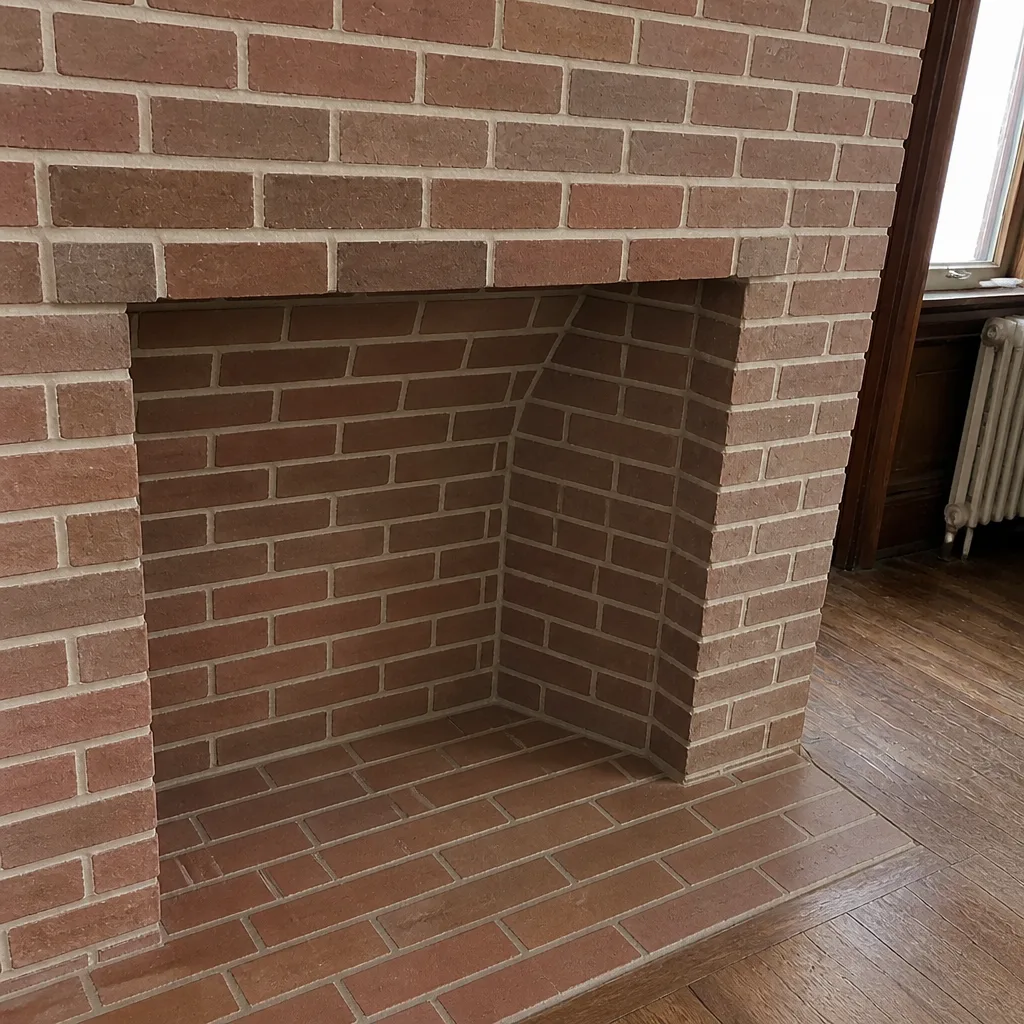
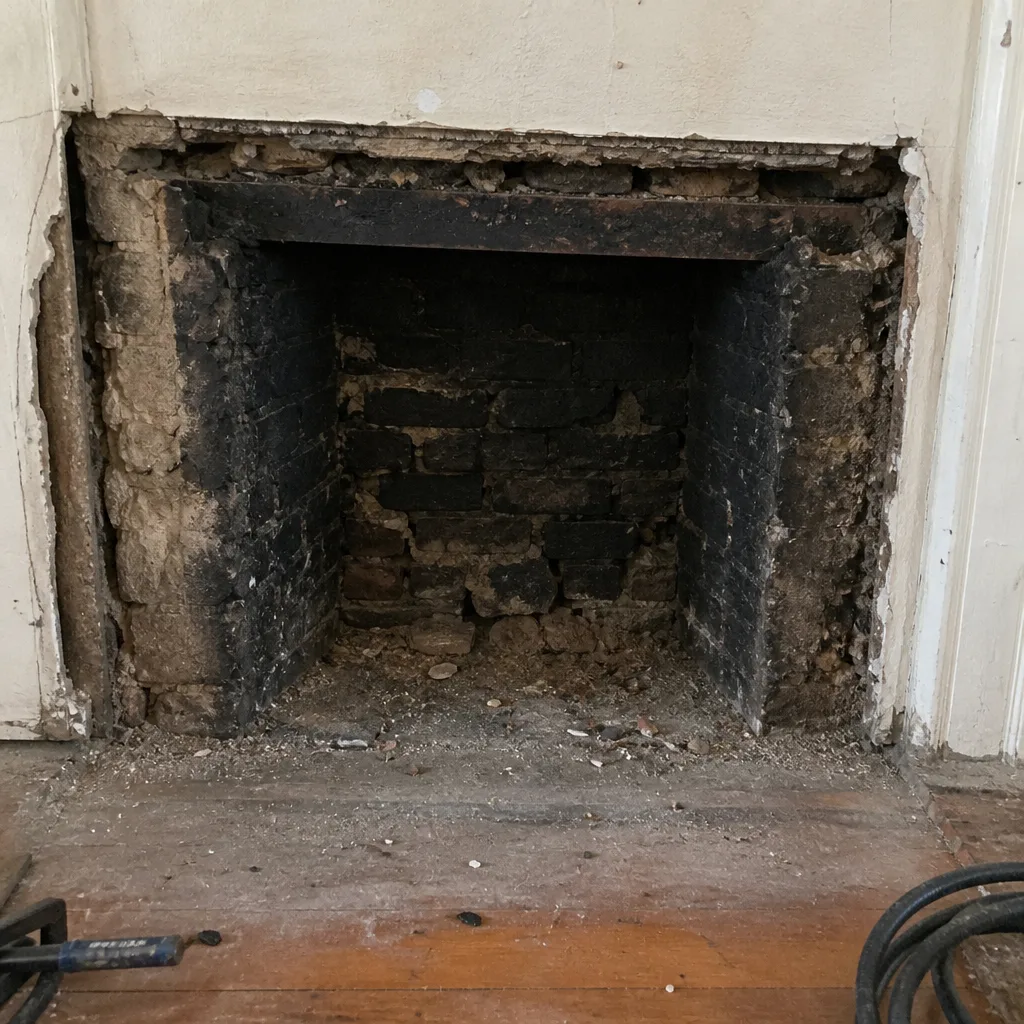
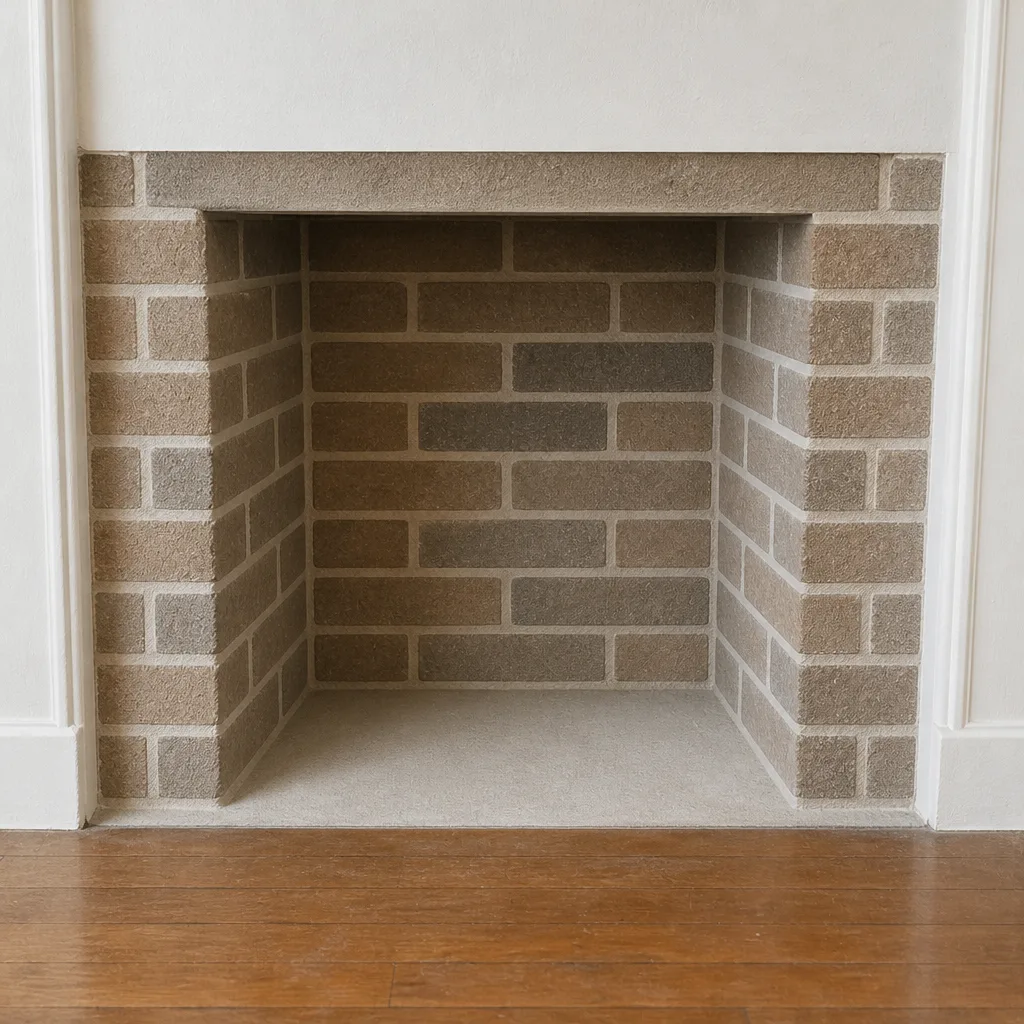
See the difference
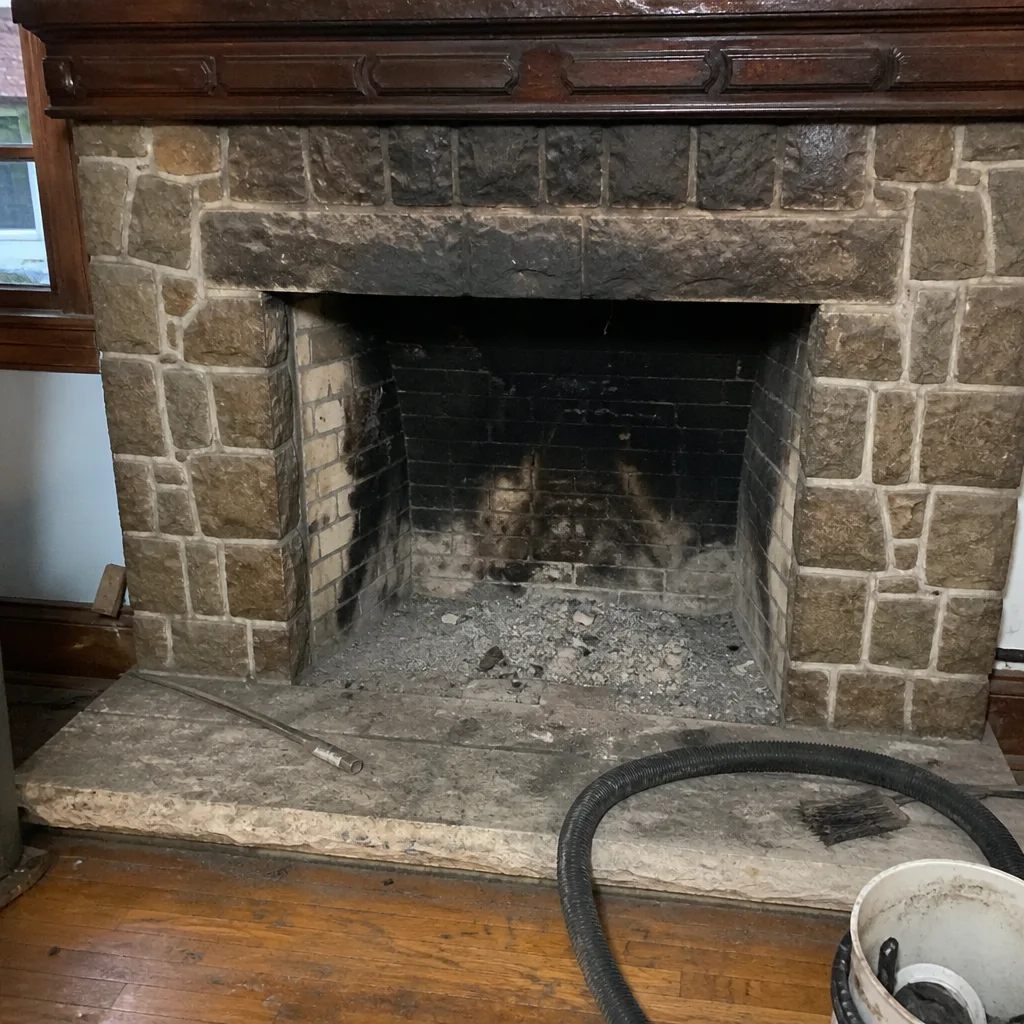 Before
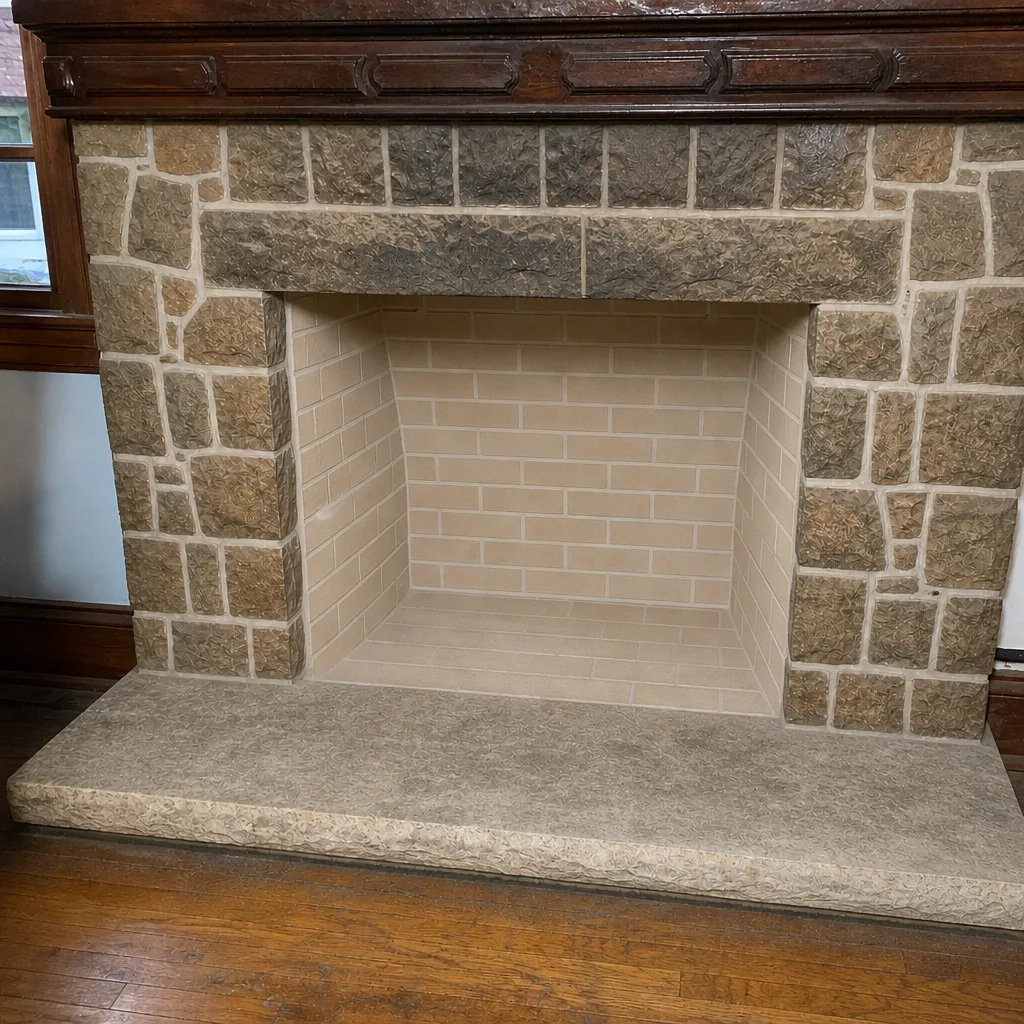 After
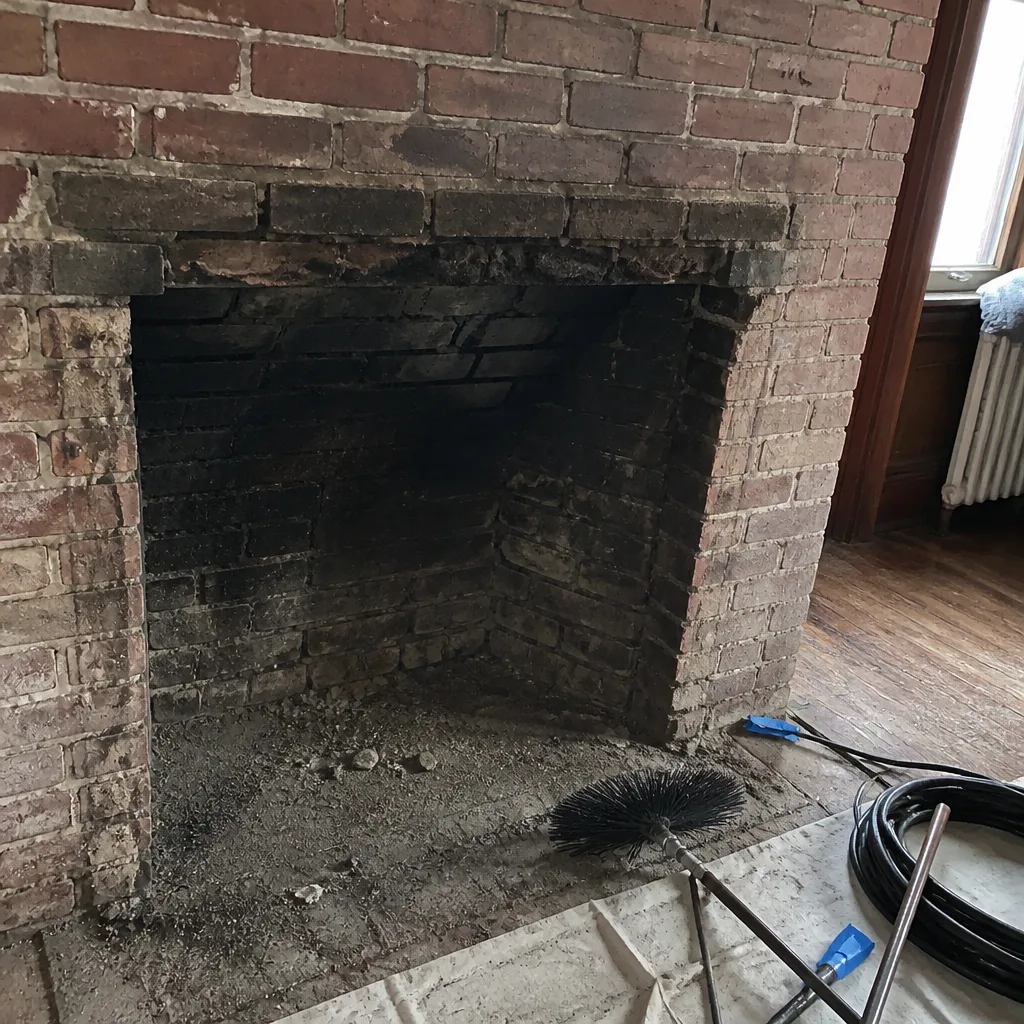 Before
 After
 Before
 After
When to Call a Professional
Some situations call for a technician, not a website. If your wood-burning fireplace smells smoky even when it’s not lit, if you see cracked or crumbling masonry at the crown or the firebox, if you’ve had a chimney fire, if a flue has never been inspected in your time in the house, or if you’re buying a Bushwick property with a fireplace and want a Level 2 inspection before closing, that’s the moment to bring in a specialist. The same goes if you’ve been told you need a reline and want a second opinion with camera evidence you can review yourself. If a repair can safely wait, we say so. If it can’t, we show you why.
Chimney Sweep Bushwick offers free estimates in Bushwick – call (855) 337-1157. From inspection to repair, handled by the same specialist crew. We answer 24/7. Fast dispatch, 7am-7pm, Sunday through Friday, closed Saturday.
Frequently Asked Questions
No. A routine chimney sweep is maintenance, not construction, and it does not require a permit under NYC Administrative Code §28-105.1. What does require a filing is work that alters the flue or the chimney structure – a reline, a structural repair, or a new appliance installation. If you’re unsure which category your job falls into, ask the contractor to put the permit answer in writing. Call (855) 337-1157 for an exact quote – estimates are free.
Usually yes. Replacing a flue liner is an alteration to the venting system, and that falls within the DOB permit threshold under NYC Administrative Code §28-105.1. The filing is made by the licensed contractor doing the work, and a required inspection usually follows before the job is closed out. Keep the paperwork when it’s done. Call (855) 337-1157 to discuss your liner situation – we’ll give you a straight answer on the permit question before you commit to anything.
Once a year if you burn wood regularly, and at minimum before each heating season begins. NYC Fire Code §603 requires solid-fuel appliances and their chimneys to be maintained in a condition that prevents creosote buildup and blockage, and an annual sweep is how you meet that standard. A thorough inspection confirms the flue is clear and the liner is intact. Call (855) 337-1157 to schedule a pre-season sweep and inspection – free estimates, no obligation.
A DOB inspection verifies that permitted construction work matches the approved filing; a technician’s inspection evaluates the ongoing condition and safety of the entire chimney system. The city inspection is a compliance check tied to a permit, while the CSIA-style Level 1, 2, or 3 inspection tells you what your flue actually needs for the season. Most homes need both at different points. Call (855) 337-1157 to book an inspection you can see the evidence from.
Often yes, especially when the work touches a shared structural element like a common masonry stack, the roofline, or the crown. Even when your flue is technically part of your unit, roof access and shared-chimney repairs usually require board or building manager coordination. Check your bylaws or proprietary lease before scheduling, and send the board a copy of any permit filing once the work is closed out. Call (855) 337-1157 with your building details and we’ll help you scope the job so the approval conversation is straightforward.
No. A permit applies to the specific work being done now, not to whatever was done before, and an earlier unpermitted install doesn’t create an exemption for the current one. In fact, it’s a reminder to check the property’s records when you buy a home with a fireplace – something a Level 2 inspection helps with. If a permit is required, the filing protects you. Call (855) 337-1157 and we’ll walk through what your project needs.
The Bottom Line
The line between maintenance and construction is where the permit question lives. Routine cleaning, annual sweeps, and Level 1 or 2 inspections don’t require a filing in Bushwick. Liner replacement, structural chimney repair, crown rebuilding, and new appliance installation usually do under NYC Administrative Code §28-105.1. The Fire Code’s maintenance standard applies to all of it, whether or not a permit is involved. When work moves through the DOB in Brooklyn’s Community Board 4, expect a review period and a closed-out inspection, and keep the paperwork. Know which inspection you’re getting, board approval comes first in shared buildings, and always ask for the camera evidence before approving a repair. A specialist will show you what they see.
Chimney Sweep Bushwick handles the full arc of chimney care – sweep, inspection, cap and crown, liner, and repair – with professional-grade materials from DuraFlex, HeatShield, Gelco, Olympia Chimney, Famco, and Copperfield. Call (855) 337-1157 for a free estimate. We answer 24/7. Fast dispatch, 7am-7pm, Sunday through Friday, closed Saturday.
Written by the team at Chimney Sweep Bushwick.