
Last updated November 22, 2026
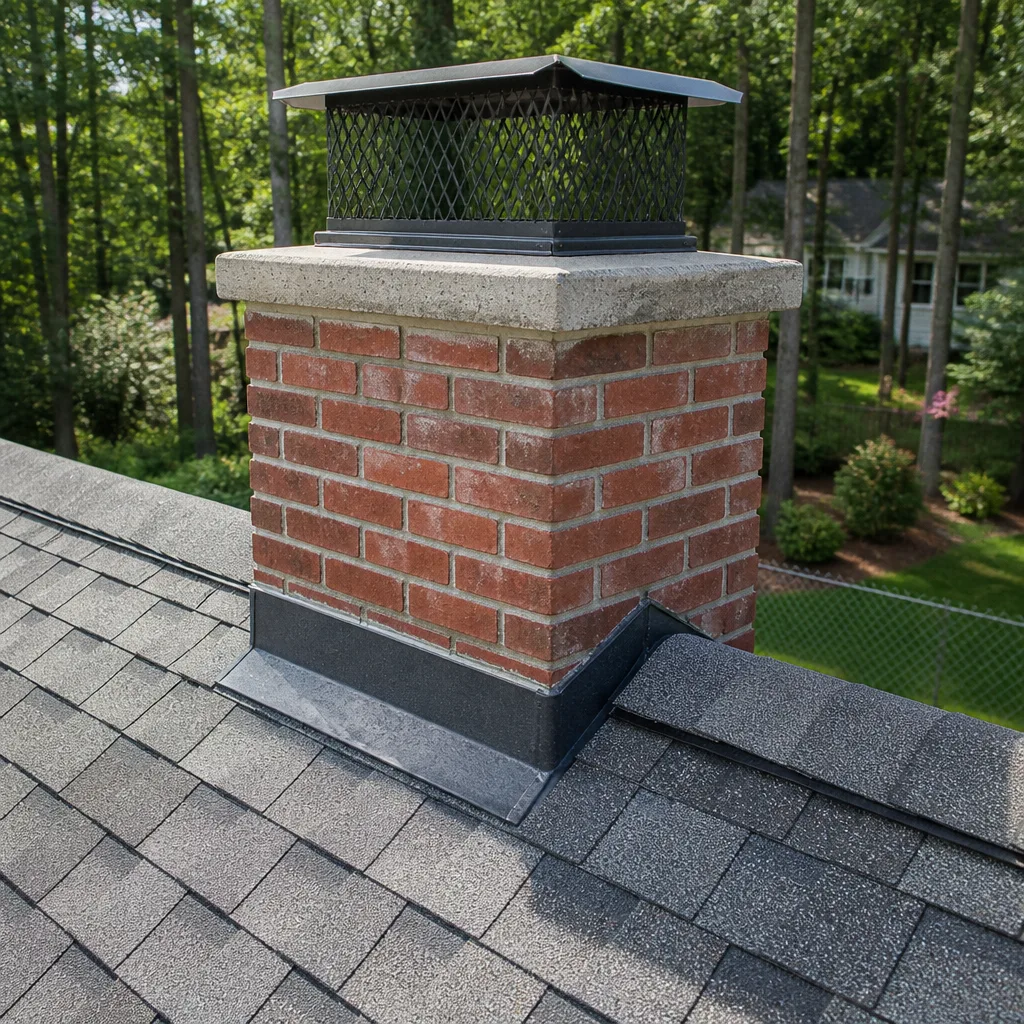 Sweep & inspection
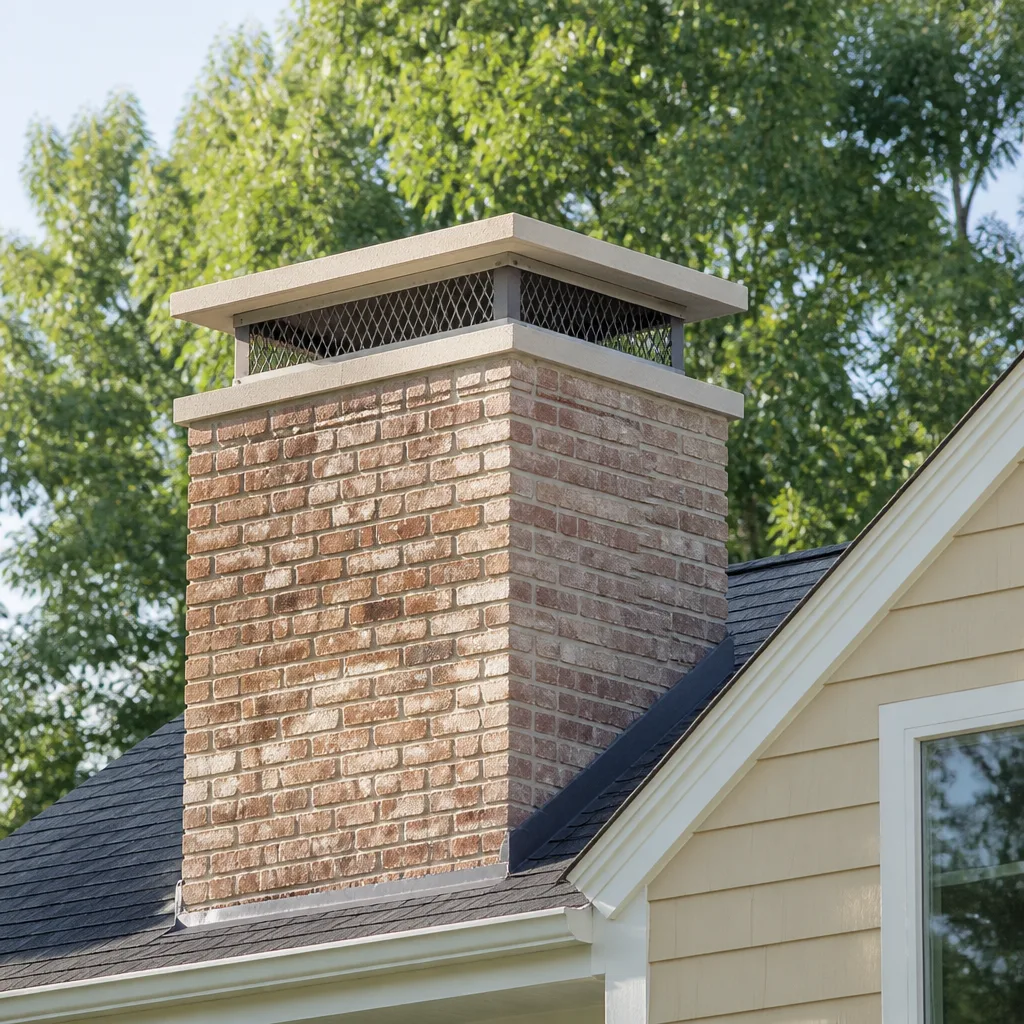 Caps & crowns
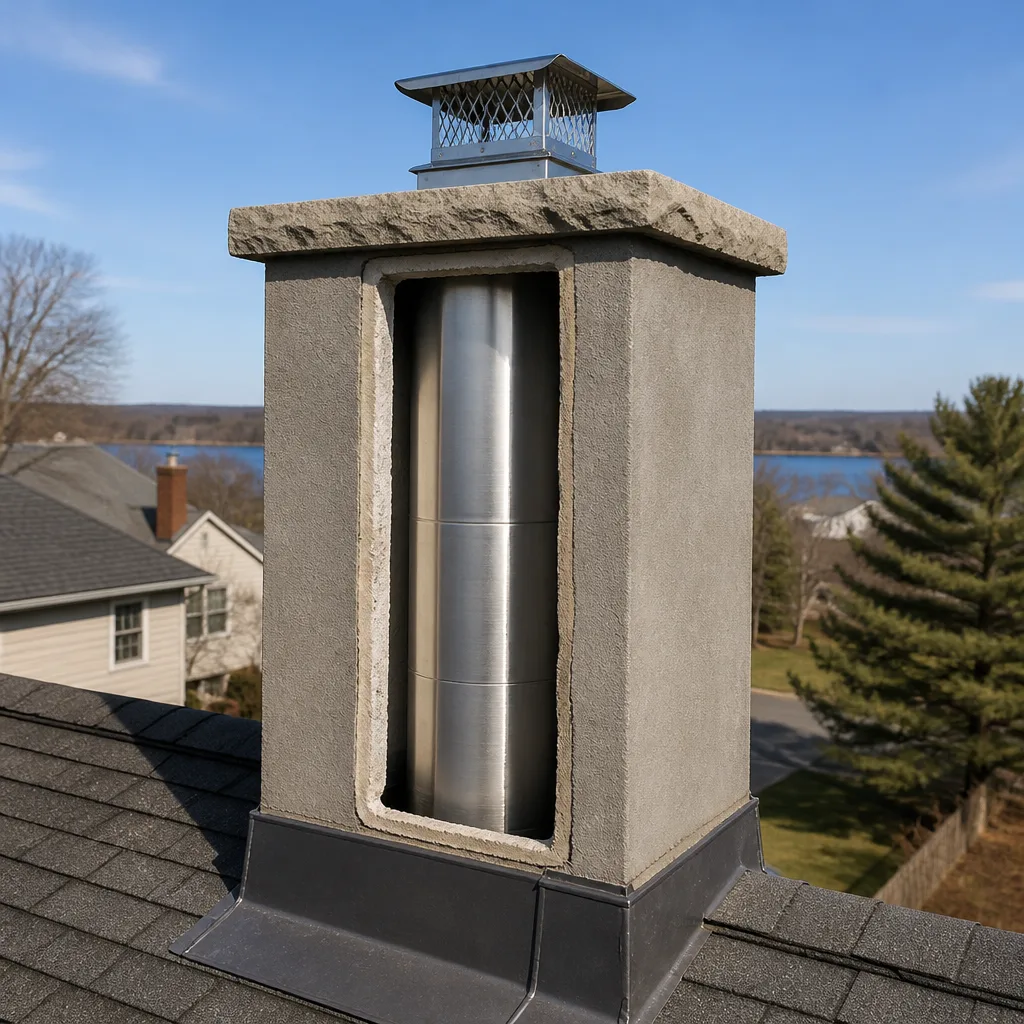 Flue relining
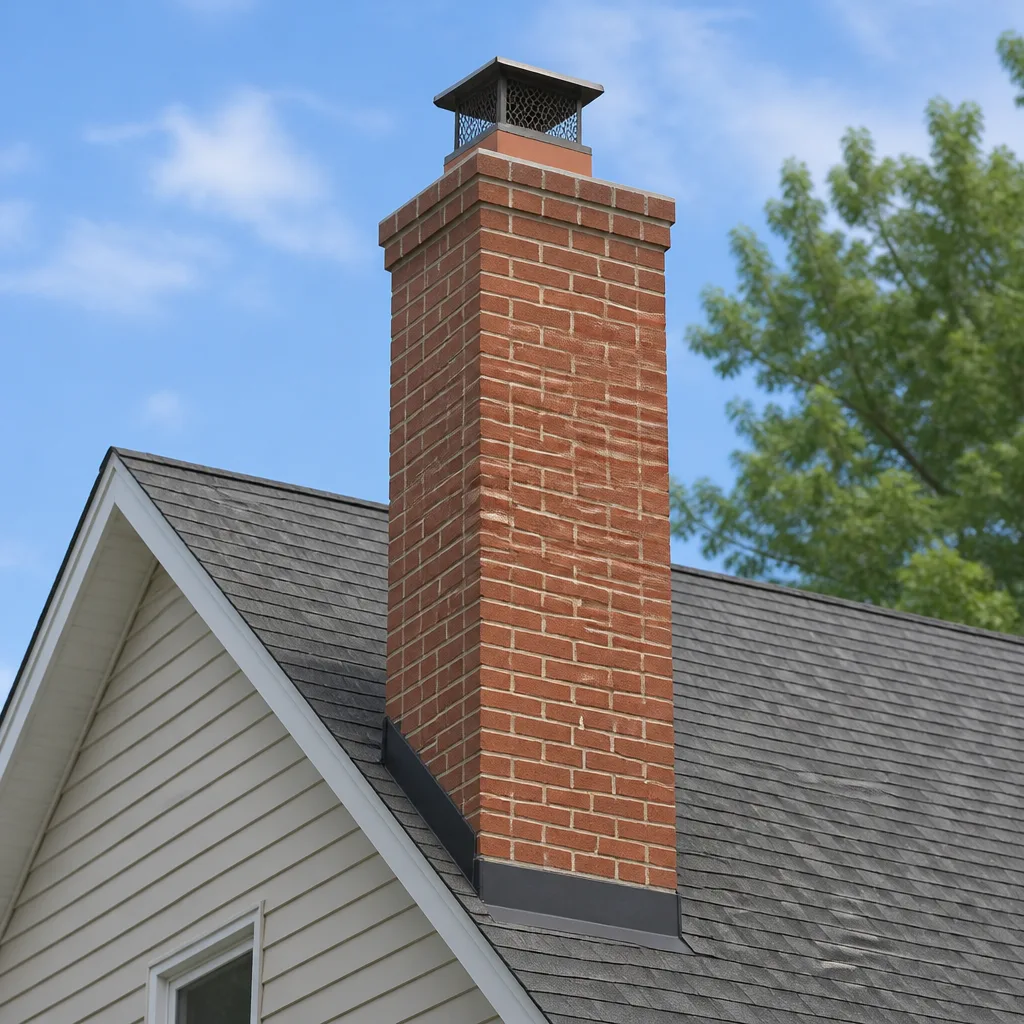 Masonry repair
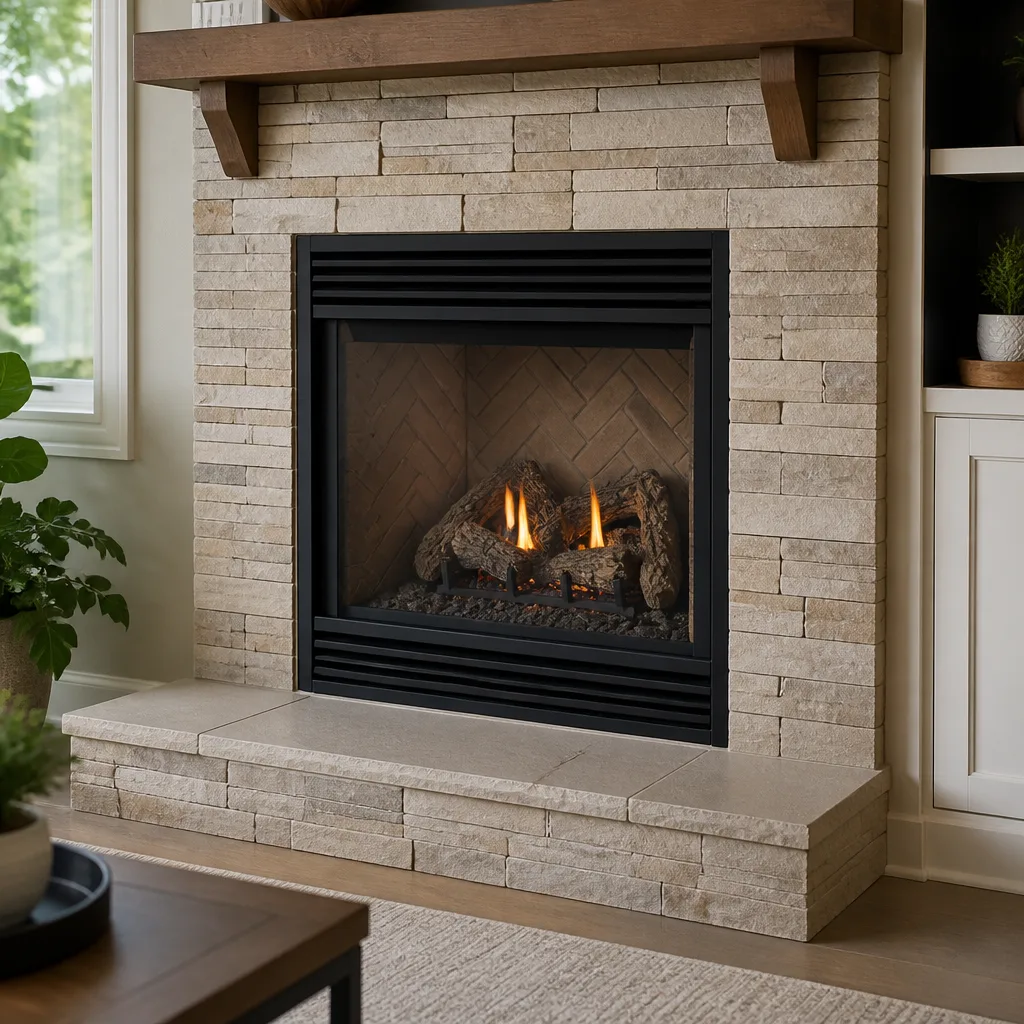 Gas fireplace service
Level 1 sweep and inspection to the NFPA 211 annual standard - flue, crown, cap, and flashing checked and photographed
Chimney sweep logs do not sweep chimneys. They loosen some creosote - which then falls where a brush and vacuum still have to collect it.
Chimney Cleaning Emergency Preparedness Guide for Bushwick Homes
A chimney fire in a Bushwick rowhouse doesn’t always announce itself with a roar. Often it’s a low rumbling, a hiss like a kettle coming to a boil, or a vibration you feel through the mantel more than you hear. Homeowners who don’t recognize that sound lose the minutes that matter most before FDNY arrives. The gap isn’t courage or common sense. It’s information nobody handed them at closing. This guide closes that gap: how to recognize a flue fire, what to do in the first five minutes, how to tell a blocked-flue carbon monoxide event from an appliance fault, what to document before anyone touches the chimney, and what to have installed before the season starts. It’s written for the way chimneys actually fail in Bushwick’s brick rowhouses and three-story walk-ups.
Quick Answer
A chimney emergency in Bushwick is usually recognizable before it’s dangerous: a low rumble or hissing from the flue, dense smoke from the chimney top, heat radiating from the firebox surround, or a CO detector sounding with no obvious appliance cause. When any of these appear, close the damper if you can reach it safely, get everyone out of the building, and call FDNY. Don’t try to put out a chimney fire with water. Once the emergency is over, photograph everything before any cleaning begins so your insurer has an accurate record.
Styles & brands we work with
- Sweep & inspection
- Caps & crowns
- Flue relining
- Masonry repair
- Gas fireplace service
Table of Contents
- Recognizing a Chimney Fire: Sounds, Smells, and Signs
- The First Five Minutes: What to Do and What Not to Do
- Carbon Monoxide Events and Your Chimney
- Post-Emergency Documentation: Photograph First, Sweep Later
- Pre-Season Emergency Preparation for Bushwick Homes
- How Bushwick’s Season and Housing Shape the Risk
- After the Emergency: What Repair Usually Involves
Recognizing a Chimney Fire: Sounds, Smells, and Signs
A chimney fire is a fire inside the flue, burning the creosote that has built up on the flue walls. It can be a slow, quiet burn or a rapid, roaring one, and the quiet version is the dangerous one because it doesn’t look like a fire at all from inside the living room. What you notice first depends on where you are in the house.
From inside, listen for:
- A low rumbling, like a distant train or a heavy truck idling outside the window.
- A hissing or crackling, described by many homeowners as a kettle sound or the noise of frying bacon coming from the flue.
- A vibration through the mantel or the firebox surround, sometimes felt before it’s heard.
- A sudden draft change – the fire pulling hard, or smoke spilling into the room where it didn’t before.
From inside or outside, watch for:
- Dense, dark smoke coming from the chimney top, thicker than a normal fire’s exhaust.
- Sparks or flames visible at the top of the stack, or on the roof in severe cases.
- Intense heat radiating from the firebox surround, the mantel, or the wall behind the chimney – hotter than a normal burn.
- A strong, acrid smell in the room that doesn’t clear with ventilation.
There’s a second layer of signs that show up in the days after a fire has burned itself out: puffs of creosote flakes falling into the firebox, a warped damper, cracked flue tiles visible on inspection, or a discolored cap. In our experience, many Bushwick homeowners only call after the second category appears – which means the fire already happened and the flue was damaged. That’s why any of the sounds above should be treated as a real event, not a curiosity.
The First Five Minutes: What to Do and What Not to Do
The first five minutes after recognizing a chimney fire decide how much damage the chimney takes and whether the fire stays inside the flue. The sequence below is the one we walk every customer through during a pre-season inspection, so it’s already in their head before they need it.
- Close the damper, if you can reach it safely. This cuts the oxygen feeding the fire and slows the burn. Don’t reach over active flames or into a hot firebox to do it.
- Get everyone out of the building. Chimney fires can spread to the roof framing and to adjacent rowhouse walls. Walk out, don’t gather belongings.
- Call FDNY. Even if the fire seems to have settled, call. Firefighters can check the roof, the attic, and the shared walls of a rowhouse for heat and extension.
- Tell the fire department what you saw. The sounds, the smoke color, where the heat was strongest. That shapes how they inspect.
- Don’t re-light the fireplace until the flue has been professionally inspected. A hairline crack in a flue tile is enough to let fire or CO into the wall cavity.
What not to do is just as important:
- Don’t throw water on a chimney fire. Water hitting a hot flue tile or a hot metal liner can crack it, and a large volume of steam can drive smoke and fire back into the room.
- Don’t close the firebox doors and walk away. A fire inside the flue isn’t contained by firebox doors.
- Don’t try to fight it from the roof. Roof access on a Bushwick rowhouse is dangerous even in good conditions, and a chimney fire can flare when the flue is opened at the top.
- Don’t switch on a fan or an HVAC system to “clear the smoke” – it can pull smoke and combustion gases through the house.
If you aren’t sure whether you’re hearing a chimney fire or just a busy fire, err toward the safer call. A false alarm costs you a fire department visit. A missed one can cost the building.
Carbon Monoxide Events and Your Chimney
Carbon monoxide from a chimney is a different emergency from a chimney fire, and it’s quieter. CO is a colorless, odorless gas produced by any fuel-burning appliance. In a chimney context, it becomes a problem when the flue is blocked, cracked, or back-drafting – the exhaust has nowhere to go but back into the living space. That’s a flue problem, and it looks different from an appliance failure.
Signs that point toward the chimney rather than the appliance:
- CO symptoms appear only when the fireplace or wood stove is in use, and clear when it’s off.
- Draft problems are visible – smoke rolling back into the room when you light a fire, a lazy fire that won’t draw, or soot streaks around the firebox opening.
- The smell of stale smoke in the room even when no fire is burning, suggesting the flue is not exhausting properly.
- More than one CO detector in the home reads elevated, not just one near the appliance.
Signs that point toward the appliance instead:
- CO warnings persist when the fireplace is out, suggesting the boiler, water heater, or range.
- Yellow or lazy burner flames on a gas appliance, or soot on the appliance itself.
- The CO alarm sounds in a part of the home far from the chimney, with no fireplace in use.
Where to place a CO detector matters. Put one on every floor of the home, and one specifically on the floor where the fireplace is. On a Bushwick rowhouse the fireplace is often in the front parlor with bedrooms above, and CO rises. A detector only in the basement or hallway doesn’t cover a flue event in the parlor. Test the detectors at the start of the heating season and replace the batteries on the manufacturer’s schedule – and if any detector sounds and you can’t clear the cause, get out and call 911.
Post-Emergency Documentation: Photograph First, Sweep Later
Once the fire department has cleared the building, the next thing that happens is the insurance claim. What you do in the twenty-four hours after the emergency shapes whether that claim goes smoothly or drags on for weeks. The rule is simple: photograph first, sweep later, and don’t move anything the adjuster may want to see.
- Photograph the exterior first. The chimney top, the cap, the crown, the roof line. Any discoloration, cracks, or debris on the roof.
- Photograph the firebox and the surround. The damper, the firebox walls, the mantel, the wall behind the chimney, and any cracks or heat discoloration.
- Photograph the room. Smoke staining, fallen creosote, water or extinguishing damage, soot on furniture or curtains.
- Photograph your smoke and CO detector displays if they show anything still readable.
- Save the fire department report – the incident number, the responding station, and any written report you’re given.
What not to do:
- Don’t sweep or clean the flue before it’s inspected and documented. The creosote pattern and the state of the flue tiles are the evidence.
- Don’t remove a cracked damper, warped cap, or damaged flue tile until you’ve spoken with your insurer, and until a professional has documented the condition.
- Don’t relight the fire to “see if it’s fine” – if the flue is compromised, that second fire is the one that spreads.
A proper post-emergency assessment uses video from inside the flue. The footage shows the actual condition of the tiles, the joints, and the liner, and you should be able to see it yourself. That’s the basis for both your insurance paperwork and the repair estimate, and it’s what separates a documented recommendation from a guess. From inspection to repair, this should be handled by the same specialist crew rather than passed between contractors.
Pre-Season Emergency Preparation for Bushwick Homes
Emergency preparedness for a chimney starts in October, not on the night of the fire. The equipment and inspection steps below are the specific ones we recommend to every Bushwick homeowner with an active fireplace.
Equipment to have installed and tested before the season
- Working CO detectors on every floor, including one on the fireplace floor. Test them, and know what a sounding alarm means.
- Smoke detectors on the fireplace floor and near sleeping areas. A chimney fire can spread to framing before the fire shows inside the room.
- A chimney balloon for draft emergencies – an inflatable flue-sealing device used to stop cold air, smoke, and CO from coming down an unused flue. It is not a fix for a damaged flue; it’s a temporary seal for an empty chimney during the off-season, and it must be removed before the first fire of the season.
- A working flashlight and a fire extinguisher rated for the firebox size, stored near the fireplace.
Inspection steps before the first fire
- Book a professional inspection before the season, not after the first cold snap when everyone calls at once. A pre-season chimney sweep clears the creosote load before it becomes fuel.
- Check the cap and crown from the ground with binoculars. A missing cap lets rain and animals into the flue; a cracked crown lets water into the masonry. If either looks compromised, schedule a chimney cap & crown evaluation before the season.
- Test the draft with a small fire on a still day. Smoke that rolls back into the room is a warning, not a quirk.
- Review your flue liner’s condition if it hasn’t been inspected in the last two seasons. A DuraFlex flexible liner is the standard we use for relining; it’s installed with minimal demolition and is a more reliable fix than patching a failing clay tile.
- Confirm the smoke and CO detectors work together. Walk the house and test each unit with a family member present.
These are simple steps, and none of them require a ladder or a roof. Booking the inspection early is the one that matters most, because the inspection is where a failing flue, a creosote problem, or a damaged cap gets caught before it becomes an emergency.
How Bushwick’s Season and Housing Shape the Risk
Bushwick’s housing stock is mostly brick rowhouses and multi-family buildings, many with an original fireplace in the front parlor or a converted wood stove in the basement. Those chimneys have often been serving the building for decades, sometimes with the original clay flue tiles and a cap that hasn’t been checked since the last owner. That combination is why pre-season inspection matters here: the creosote load and the condition of the tiles are not visible from the living room.
The heating season in Bushwick is long enough that frequent use alone builds up creosote. That buildup is a normal byproduct of every wood fire – it isn’t a sign of bad wood or bad burning, just of use. What makes it dangerous is when it goes unswept for multiple seasons. In our experience, the chimneys we inspect in Bushwick that show glazed, hardened creosote are usually ones that haven’t been swept in more than two seasons, or that have been burning green or unseasoned wood. Both are preventable with a simple sweep and a conversation about wood choice.
Weather is a factor too. The freeze-thaw cycle that hits Brooklyn masonry every winter opens hairline cracks in the crown and in the mortar joints around the flue. Water gets in, freezes, and widens the crack. That’s why a missing cap or a cracked crown is more than cosmetic: it’s the leading cause of long-term chimney deterioration in this climate. A chimney cap & crown check before the first freeze is one of the cheapest ways to protect a Bushwick chimney from the season ahead.
If the chimney has been repaired and resurfaced, HeatShield resurfacing is one option we use for restoring flue integrity without a full liner replacement. It’s a repair, not a cleaning, and it’s done when the flue has a specific kind of deterioration that resurfacing can address – which is why an inspection with camera footage comes first.
After the Emergency: What Repair Usually Involves
After a chimney fire or a CO event, the repair path depends on what the inspection finds. There are three broad categories, and it’s honest to say that some jobs are small, some are not, and it isn’t always obvious which one you’re in until the camera goes up the flue.
- Cleaning and inspection alone. If the fire was caught early and the flue tiles are intact, a sweep plus a full inspection may be the whole job. This is the best outcome and more common than homeowners expect after a small, contained event.
- Targeted repair. A cracked tile, a warped damper, a missing cap, or a damaged crown falls into this category. These are repairs, not reconstructions, and they typically don’t require breaking into the masonry.
- Relining. If the flue is compromised beyond what resurfacing or patching can address, a flexible liner is the standard repair. A DuraFlex liner is installed from the top with minimal demolition and gives the chimney a continuous, sealed flue lining.
What we don’t do is recommend a liner or a rebuild as a first move. We diagnose before we recommend – inspection first, always – and the recommendation is backed by camera footage you can see yourself. If we think the chimney can safely wait, we’ll tell you that too. Cap, crown, liner, flue, firebox: every part of the chimney system, one company, so you’re not the one coordinating between a sweep, a mason, and a roofer after a fire.
Common Mistakes to Avoid
- Waiting until winter to book a sweep. In Bushwick, the first cold week brings a rush, and a chimney with a hairline crack that gets its first fire before the inspection is the one that becomes the emergency.
- Assuming a chimney fire is obvious. The quiet burn is the one that does structural damage, because the homeowner doesn’t recognize the low rumble or hiss and lets it burn for hours.
- Putting out a chimney fire with water. Water against a hot flue tile can crack it, and steam can push smoke and fire back into the room.
- Sweeping the flue before it’s inspected and documented. For an insurance claim, the creosote pattern and the condition of the tiles are the evidence – document first, clean later.
- Placing a CO detector only in the basement. A blocked-flue CO event in a front parlor fireplace can spread to the bedrooms above before a basement detector ever registers it.
- Leaving a chimney balloon in the flue into the heating season. It’s a temporary draft seal for an unused chimney. A fire lit with one in place has nowhere to exhaust.
- Treating a missing cap as cosmetic. Rain and animals getting into the flue is the leading driver of long-term chimney deterioration in this climate, and the cap is the fix.
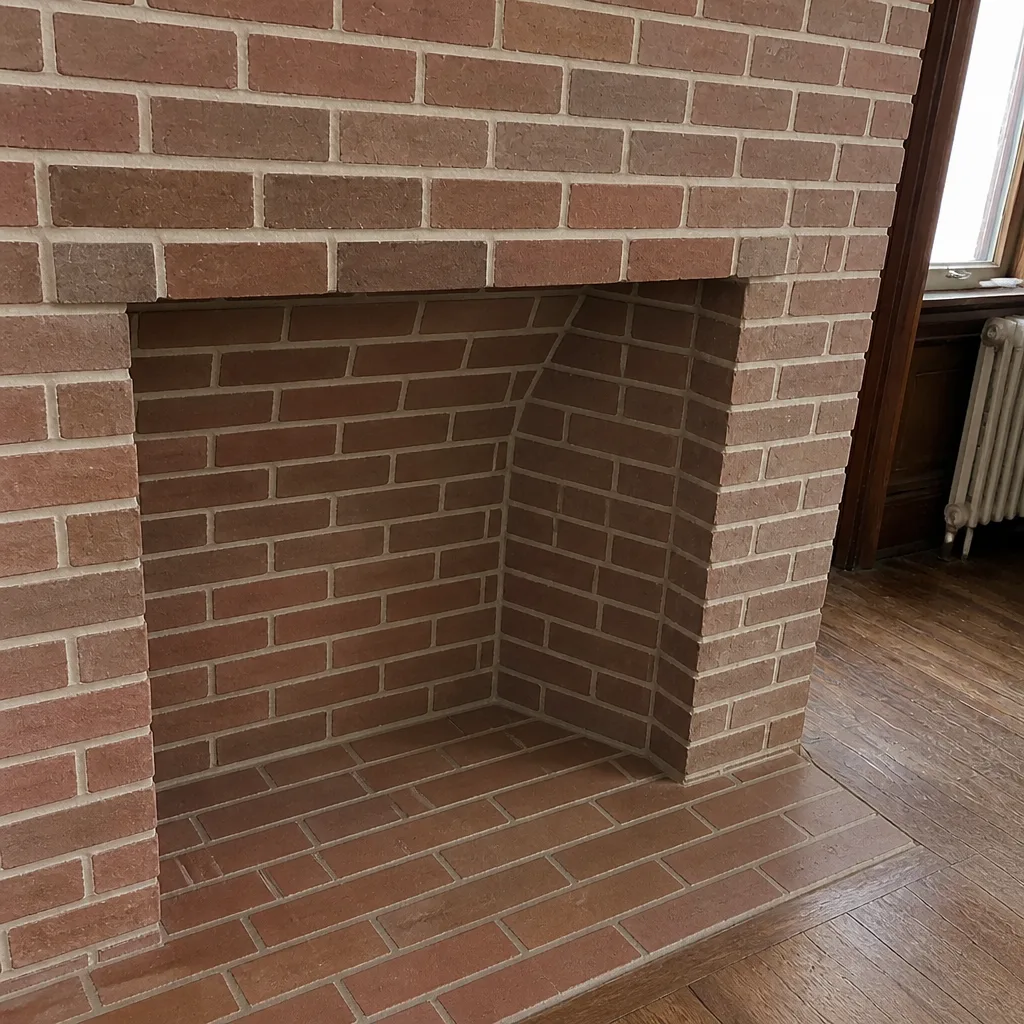
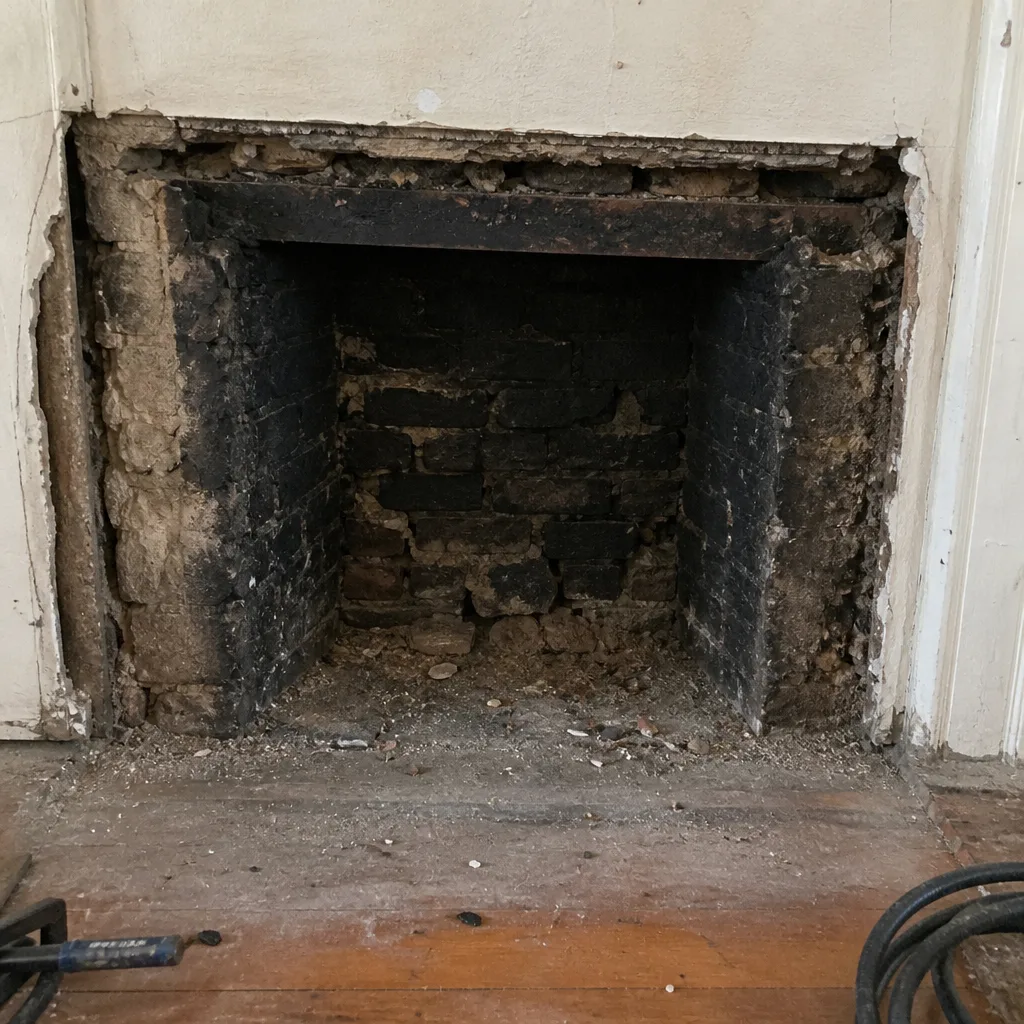
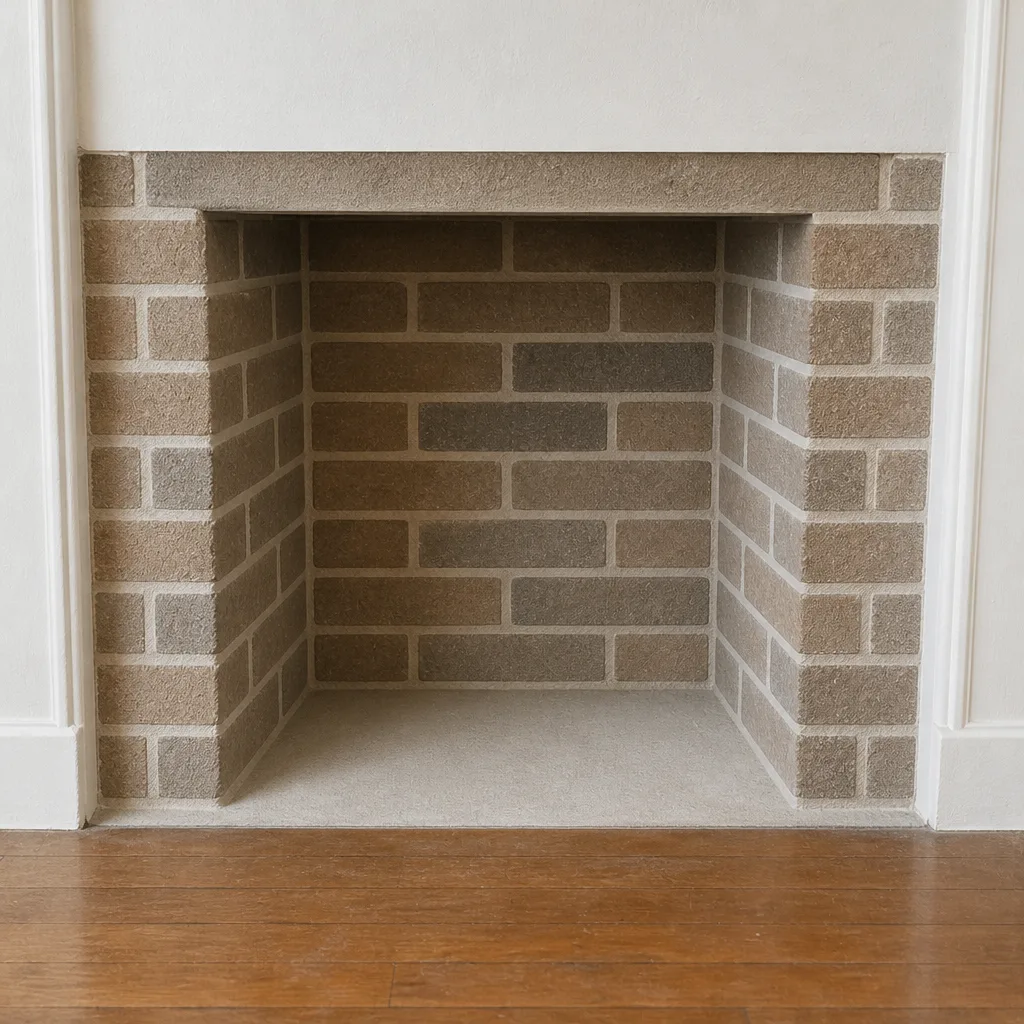
See the difference
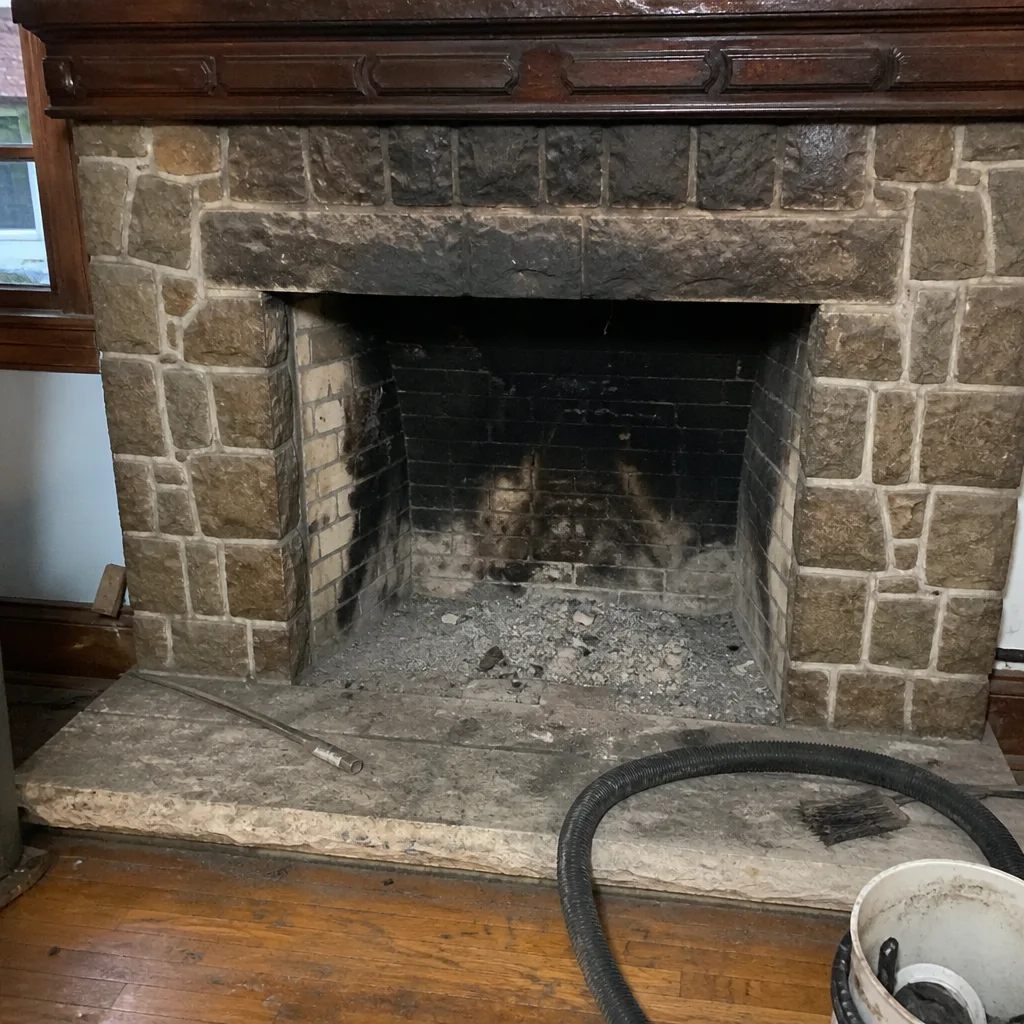 Before
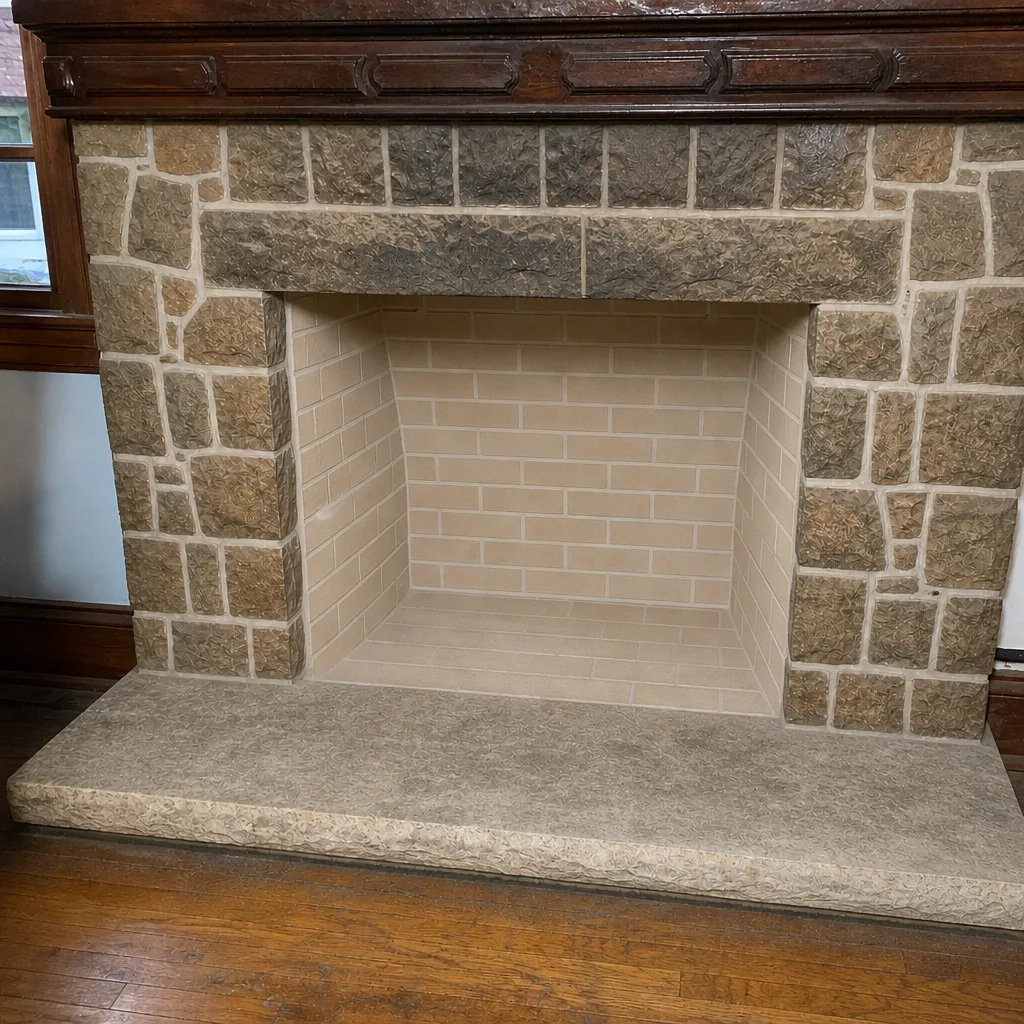 After
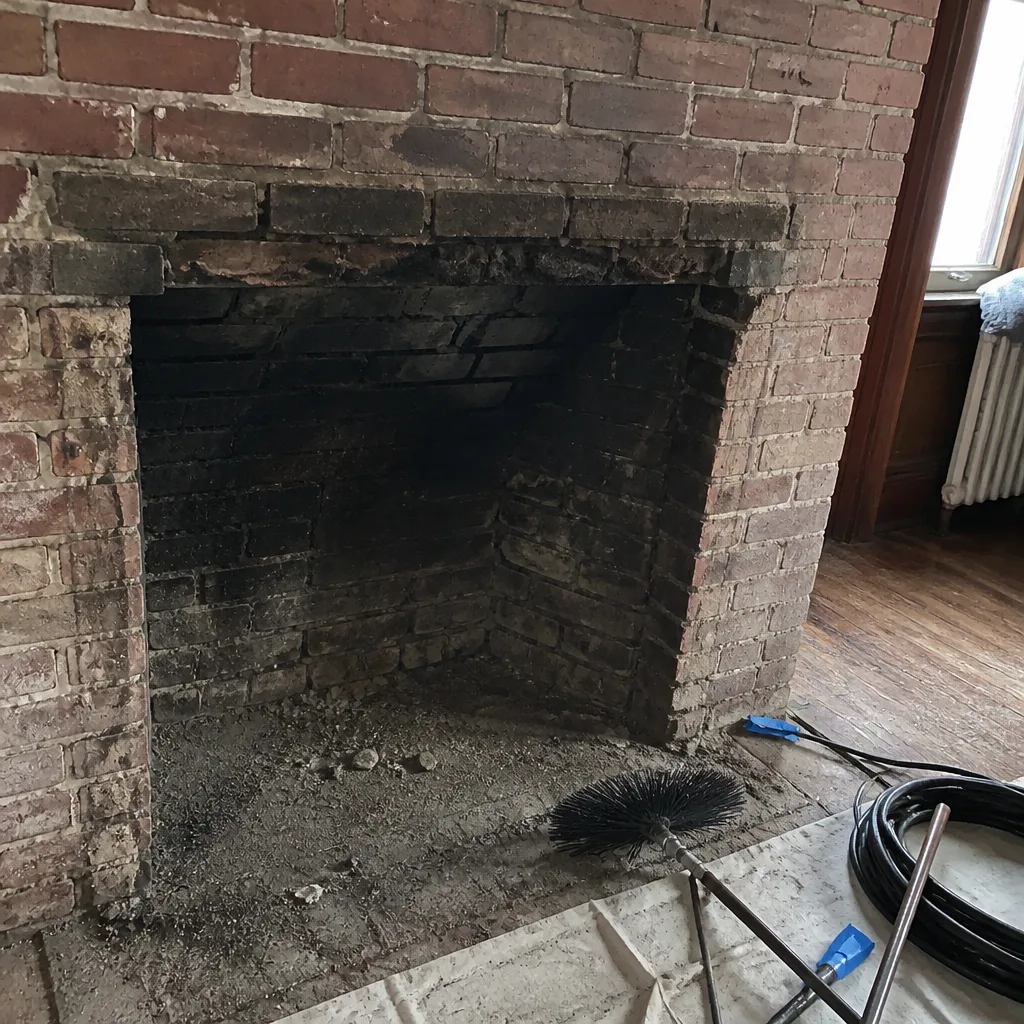 Before
 After
 Before
 After
When to Call a Professional
Call a professional after any suspected chimney fire, any CO alarm you can’t trace to an appliance, any visible crack in the firebox or the flue tiles, any draft problem that doesn’t clear, or any change in the chimney’s appearance from outside. Call before the season if the chimney hasn’t been inspected in two years, if the cap or crown looks damaged from the ground, or if you’ve moved into a Bushwick rowhouse and don’t know the chimney’s history. Our technicians have up to 10 years of experience, and we diagnose before we recommend – inspection first, always. Chimney Sweep Bushwick offers free estimates in Bushwick – call (855) 337-1157. We answer 24/7. Fast dispatch from 7am to 7pm, Sunday through Friday. Whether the chimney needs a routine chimney sweep, a cap, a liner, or a full chimney repair, the estimate comes before any work, and it’s free.
Frequently Asked Questions
Yes, some chimney fires burn themselves out, but that doesn’t make the chimney safe afterward. A self-extinguished fire can still leave cracked flue tiles, a warped damper, or damaged joints that let CO or fire into the wall cavity. Call FDNY first, then book an inspection before the next fire. Call (855) 337-1157 for an exact quote – estimates are free.
You can’t detect CO by smell or sight. The signals are a sounding CO detector, symptoms that appear only when the fireplace is in use, or visible draft problems like smoke rolling back into the room. Put a detector on every floor, including the fireplace floor, and treat any untraceable alarm as a flue problem until proven otherwise. Call (855) 337-1157 to book an inspection – estimates are free.
Photograph the chimney top, cap, and crown from outside; the firebox, damper, and wall behind the chimney; the room for smoke staining; and any detector displays. Don’t sweep or remove damaged parts until you’ve spoken with your insurer and had an inspection. Call (855) 337-1157 to schedule the assessment – estimates are free.
Once a year if the fireplace is in regular use, and at least once every two seasons even with light use. Creosote builds up on every fire, and a heavily used Bushwick parlor fireplace can build a meaningful load in a single season. Call (855) 337-1157 to book a pre-season sweep – estimates are free.
Not always. A contained fire with intact tiles may need only a sweep and inspection. A liner is recommended when the flue is compromised beyond what resurfacing can address, and the recommendation should come with camera footage you can see. We diagnose before we recommend – inspection first, always. Call (855) 337-1157 for an exact quote – estimates are free.
Yes, closing the damper cuts the oxygen feeding the fire and slows the burn, which is why it’s step one – if you can reach it safely. Don’t reach over active flames. Get everyone out, call FDNY, and don’t relight the fireplace until the flue has been inspected. Call (855) 337-1157 to book that inspection – estimates are free.
The Bottom Line
Chimney emergencies in Bushwick are recognizable before they become dangerous. The low rumble, the hiss from the flue, the dense smoke from the chimney top, the CO alarm with no obvious cause – these are warnings, and the homeowner who knows them acts faster. The sequence is short: close the damper if you can reach it safely, get out, call FDNY. Then document before you clean. Preparation is even simpler: a pre-season sweep, working CO and smoke detectors on every floor, a cap and crown that shed water, and a flue liner you’ve confirmed the condition of. Cap, crown, liner, flue, firebox – one specialist crew, from inspection to repair.
If your fireplace is in use this season and you haven’t had the chimney inspected, book it before the first cold week, not after. Chimney Sweep Bushwick is a chimney and fireplace specialist – sweep, cap and crown, repair, fireplace repair, and inspection. Call (855) 337-1157 for a free estimate. We answer 24/7. Fast dispatch from 7am to 7pm, Sunday through Friday. Professional-grade materials from DuraFlex, HeatShield, Gelco, and Olympia Chimney are what we work with, and the inspection comes first every time.
Written by the team at Chimney Sweep Bushwick.