
Last updated November 22, 2026
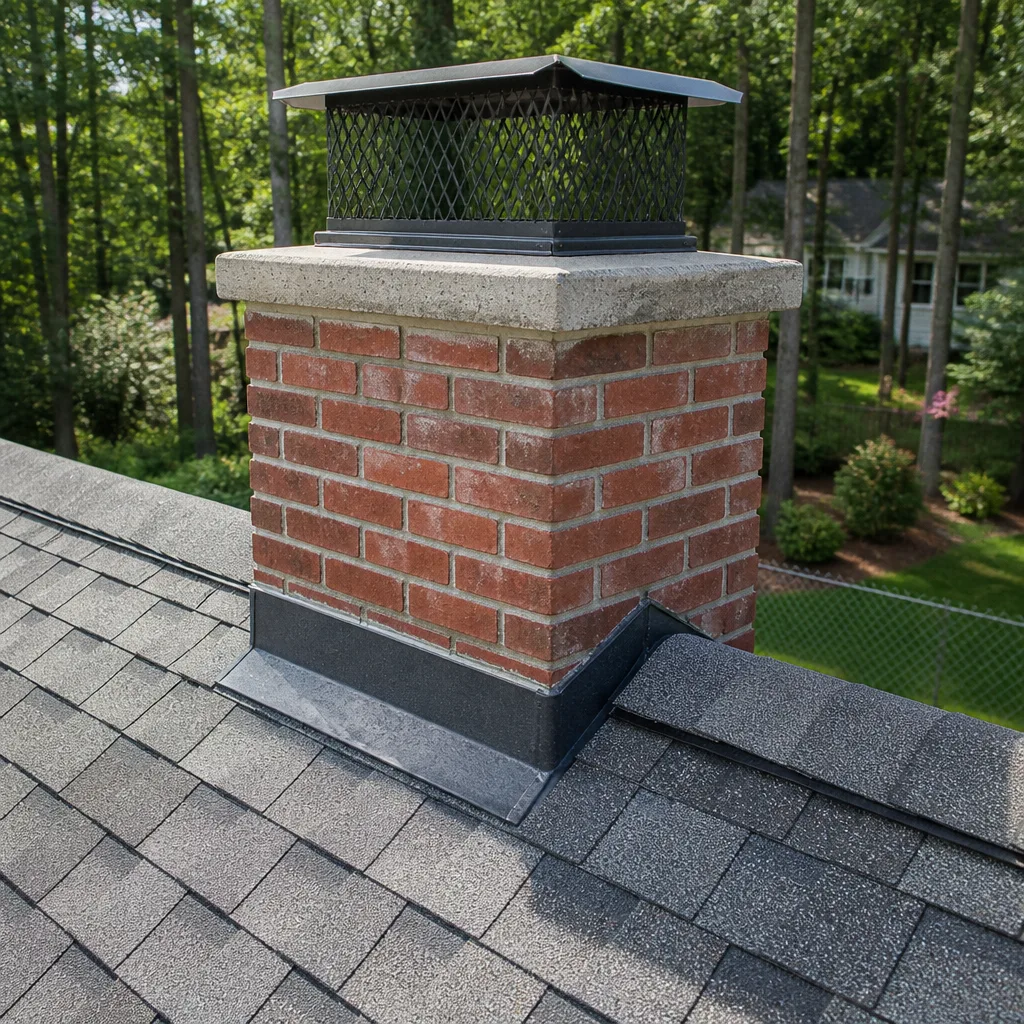 Sweep & inspection
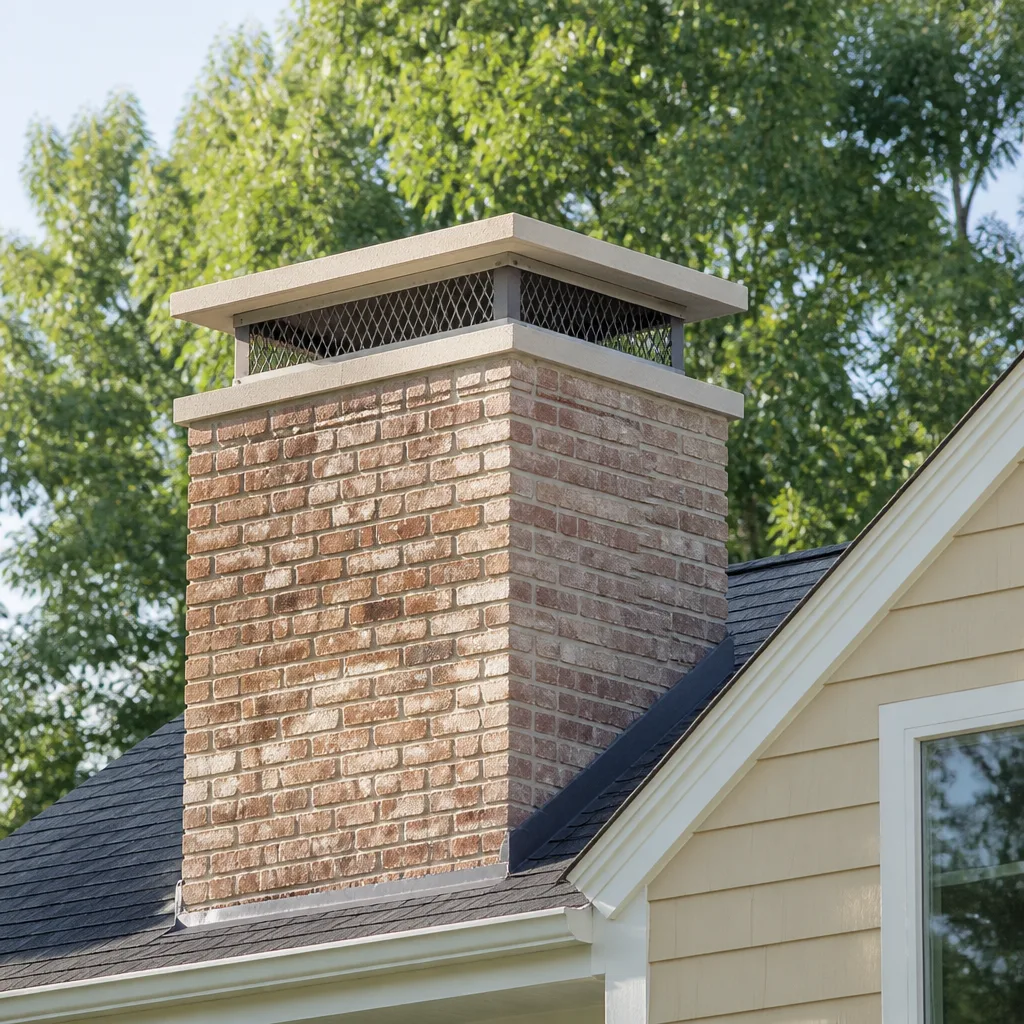 Caps & crowns
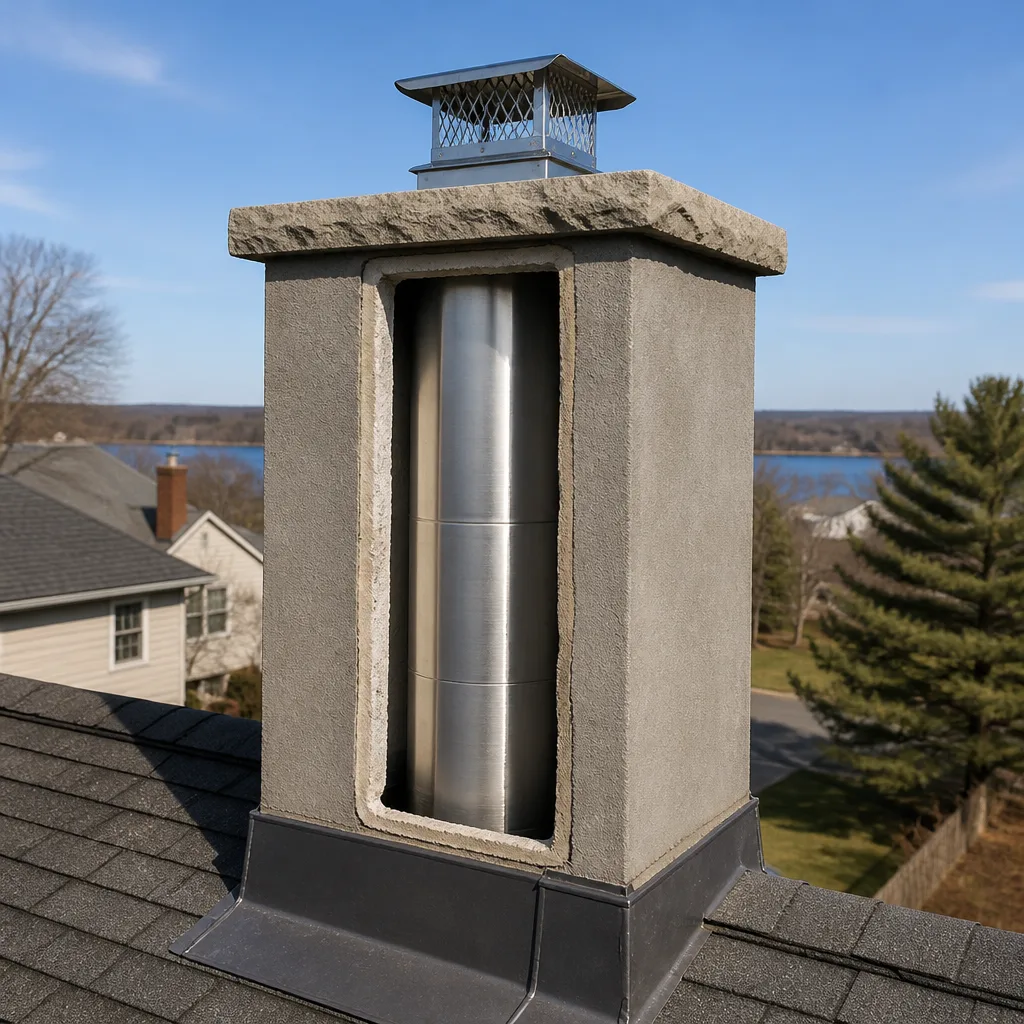 Flue relining
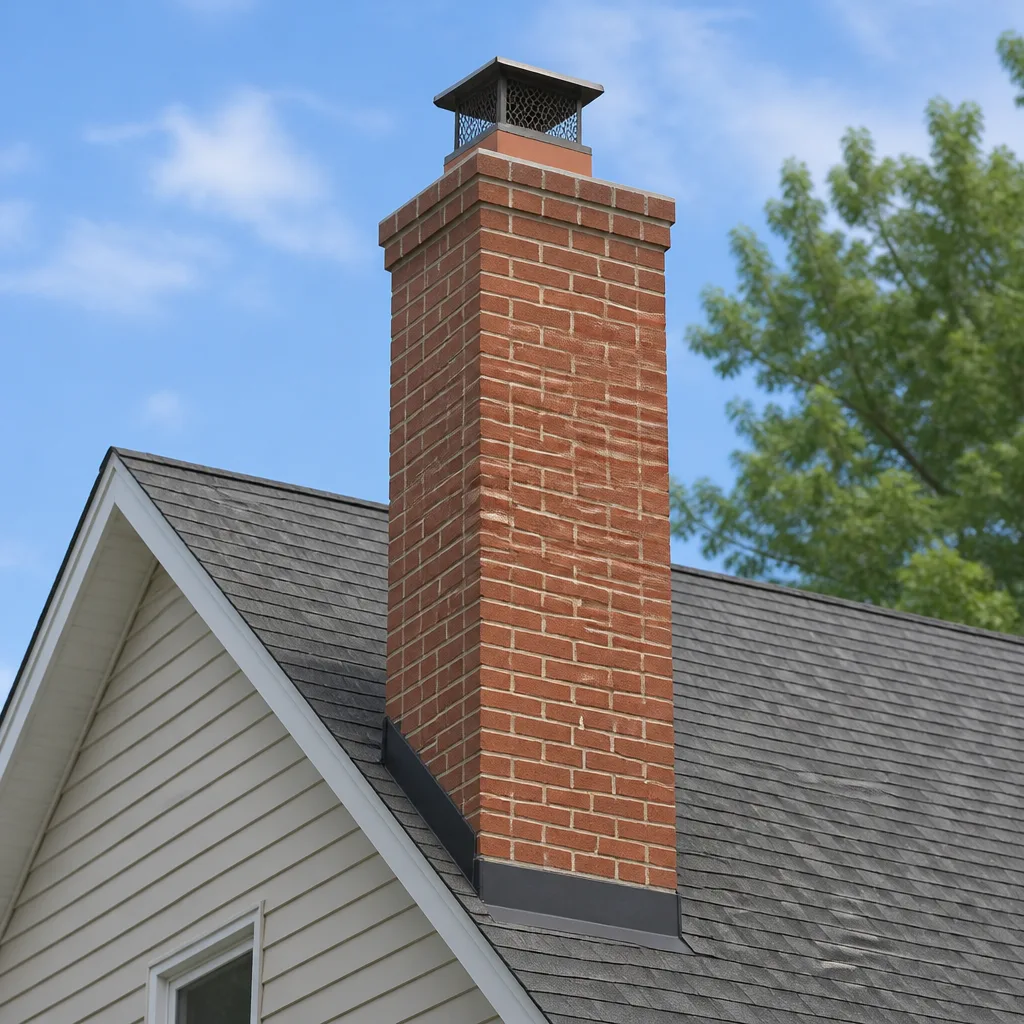 Masonry repair
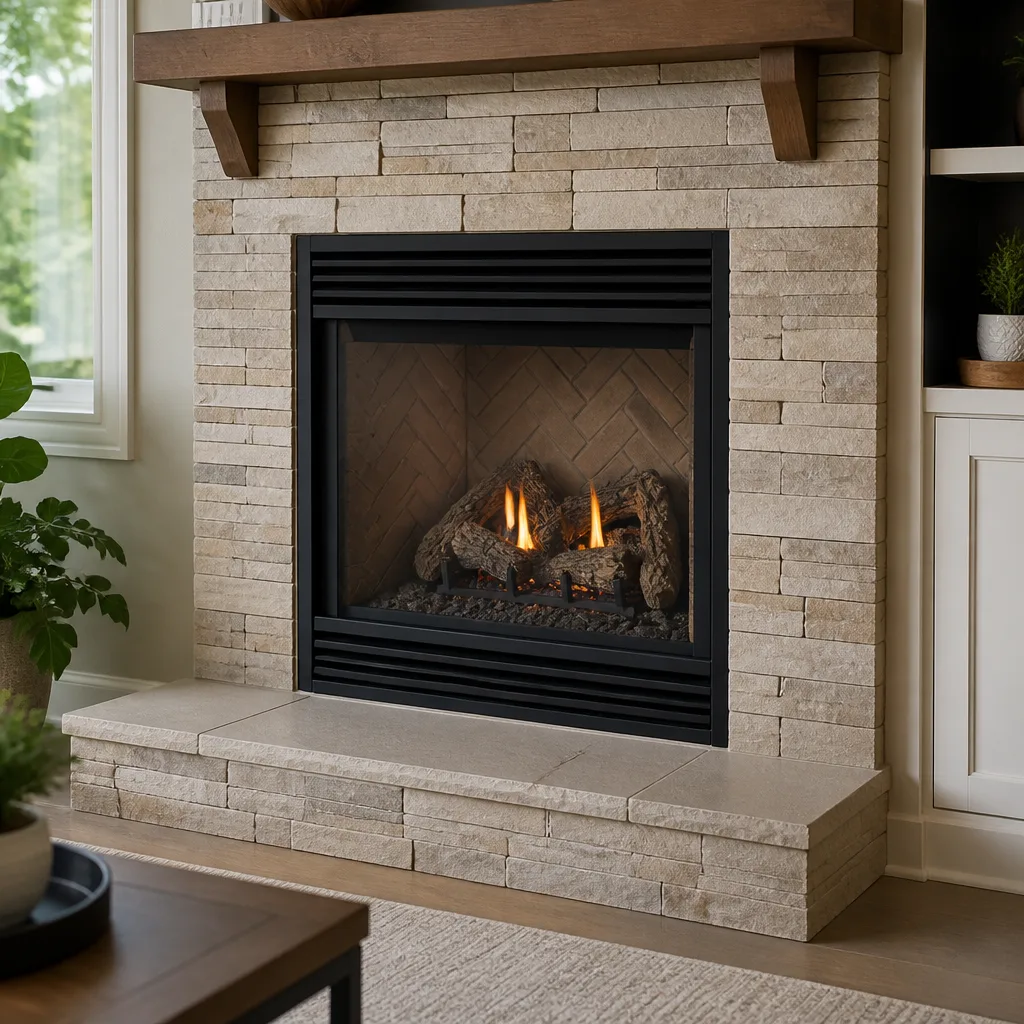 Gas fireplace service
Level 1 sweep and inspection to the NFPA 211 annual standard - flue, crown, cap, and flashing checked and photographed
Chimney sweep logs do not sweep chimneys. They loosen some creosote - which then falls where a brush and vacuum still have to collect it.
How to Hire a Chimney Cleaning Contractor in Bushwick: A Step-by-Step Guide
CSIA certification is the floor, not the ceiling, and most homeowners in Bushwick never think to ask for it. That gap is exactly what a certain kind of contractor counts on: someone who shows up with a shop vac, a brush set bought online, and a confident pitch. The wrong hire doesn’t just waste your money. A sweep who misses a cracked flue or a failing crown can leave your home exposed, and an undocumented, unqualified job can complicate a homeowner’s insurance claim after a chimney fire. This guide walks you through the exact screening framework we use ourselves: the credentials to verify, the questions to ask before anyone goes on the roof, and the documents you should hold before the job is done.
Quick Answer
To hire a chimney cleaning contractor in Bushwick, verify three things before you book: current CSIA Certified Chimney Sweep status, a valid New York State Home Improvement Contractor license, and a liability insurance certificate that explicitly covers chimney work. Then insist on a site visit before any quote, ask what brands of liner material they carry, and expect a written estimate with itemized line items and a photo inspection report. Anyone who skips the site visit, quotes over the phone, or offers a “free inspection” that always finds thousands of dollars of hidden problems is a red flag.
Styles & brands we work with
- Sweep & inspection
- Caps & crowns
- Flue relining
- Masonry repair
- Gas fireplace service
Table of Contents
- Why Hiring Right Matters More in Bushwick
- The Credentials to Verify Before Anyone Goes on the Roof
- Bushwick Red Flags: What an Unqualified Contractor Looks Like
- Questions to Ask Before Booking a Chimney Sweep
- How to Read a Written Chimney Estimate
- The Documents You Should Receive After the Job
- How to Set Up an Ongoing Chimney Maintenance Schedule
- Common Mistakes to Avoid
Why Hiring Right Matters More in Bushwick
Bushwick’s housing stock is old, and much of the neighborhood’s wood-burning and fireplace infrastructure was built long before modern codes. The row houses, brownstones, and converted multifamily buildings that define the area share a common characteristic: century-old masonry chimneys that have often gone years without proper service. That means the chimney you’re having cleaned today may be hiding a cracked crown, spalled brick, deteriorating mortar joints, or a flue liner that’s been damaged by years of creosote and moisture.
The weather here compounds the problem. Our winters swing between freezing nights and milder daytime thaws, and that cycle opens up hairline cracks in brick and mortar. Water gets in, freezes, expands, and the damage widens through each season. A chimney that looks fine from the street can have a crown that’s already failing. This is why we treat every job as diagnostic first, cleaning second.
The market here also includes a wide range of operators. You’ll find legitimate, certified specialists working alongside general handymen who’ve added “chimney sweeping” to their listings without the training or equipment to do a proper job. There’s no single industry gatekeeper who keeps unqualified people out of the trade. The homeowner does that job. That’s what this guide helps you do.
One more thing: if you have an active fireplace, a serious cleaning and inspection is the difference between a safe burn season and a dangerous one. Creosote buildup is the fuel source for most chimney fires. Carbon monoxide can back up into a living space when a flue is blocked or an improperly sized liner was installed. Those risks don’t announce themselves, which is why the quality of the person on your roof matters.
The Credentials to Verify Before Anyone Goes on the Roof
Before you hand over a deposit or book an appointment, you should be able to confirm three credentials. This is the screening checklist we’d want any homeowner in Bushwick to run before letting a contractor into their home.
- CSIA Certified Chimney Sweep status. The Chimney Safety Institute of America runs the leading national certification for the trade. Ask for the certification number and verify it directly against the CSIA’s public database. A verified number that matches the person who shows up at your door is the floor. If they can’t give you a number or don’t want to, that’s your answer.
- New York State Home Improvement Contractor license. New York requires home improvement contractors to be licensed under state law. Ask for the license number and confirm it through the state’s licensing portal. This gives you a formal channel if the job goes wrong.
- A liability insurance certificate. Ask for the certificate of insurance naming chimney work explicitly, or at minimum a general liability policy that would cover roof-access work. If the technician falls off your roof or damages your home, you don’t want to be the one paying.
The CSIA credential is the one people skip. That’s convenient for contractors banking on a homeowner who won’t ask. Verification takes about ten minutes and eliminates most of the risk in this hiring decision before you spend a dollar.
The other credential worth asking about is manufacturer authorization. At Chimney Sweep Bushwick, we’re authorized to work with professional-grade brands including Copperfield and HeatShield, which means our liner and resurfacing work uses materials specified by the manufacturer, not whatever’s cheapest at the hardware store. Not every qualified sweep will be authorized for a given brand, but asking the question tells you something about how they work: whether they buy their materials from a professional supply chain or improvise.
Bushwick Red Flags: What an Unqualified Contractor Looks Like
The specific patterns of the wrong hire are recognizable once you know them. Most of what follows is what we hear from homeowners who called us after a bad first experience. There are three that come up again and again in this neighborhood.
- Door-knocker pricing after a storm. After a heavy rain or a windy day, you may get a knock from someone offering to “check your chimney while I’m in the neighborhood.” These are almost always handymen running a volume play. Legitimate chimney specialists don’t solicit door-to-door, because the good ones are booked out through their existing customers and referral pipeline.
- Quotes given without a site visit. A real chimney inspection requires eyes on the flue. Any quote for cleaning, relining, or repair given over the phone or from the curb is a guess, not an estimate. The number will change once they’re on the roof, and the direction it changes is always upward.
- “Free inspection” that always finds expensive problems. Free inspections aren’t inherently suspicious, but a pattern is. If the inspection reliably produces a four-figure liner replacement recommendation, and the company also happens to sell liner installations, you’re being sold, not diagnosed. The fix is to ask for the camera footage and photos and expect to keep a copy.
- No written estimate. A verbal number that never makes it to paper gives you nothing to compare and nothing to hold them to. Insist on a written estimate with itemized line items.
- Unwillingness to discuss what they don’t do. A qualified chimney specialist will tell you which parts of the job are straightforward and which require a second opinion. A contractor who claims every problem on your chimney is within their scope is usually overcommitting.
- No physical business address or website presence. Legitimate chimney contractors in the New York market have a business identity that shows up online, with reviews, a website, and a verifiable phone number. A residential address and no digital footprint is a signal that there’s no business infrastructure behind the work.
Questions to Ask Before Booking a Chimney Sweep
These are the ten questions to run through on the initial call. You don’t need answers to every one before you book, but the ones you can’t get clear answers to are the ones worth pressing on.
- What camera equipment do you use for inspection? A modern chimney inspection uses a video camera on a flexible rod to view the whole flue interior from the firebox to the cap. A contractor who can’t describe their camera setup is doing a visual check that will miss most liner damage.
- How do you contain debris in a finished living space? Chimney sweeping inside a home involves a lot of soot and dust. Ask about drop cloths, plastic sheeting, and vacuum systems. A good answer describes HEPA filtration and a sealed work zone.
- What brands of liner materials do you carry? Ask by name. Any professional sweep will be able to tell you what they install and why. DuraFlex flexible liner systems and HeatShield resurfacing are two of the brands we work with; the answer you get tells you whether they specify industry-vetted materials or improvise.
- How do you handle chimney caps and crowns? Moisture is the leading cause of long-term chimney damage, and the cap and crown are the first line of defense. Ask what material they’ll use for any cap or crown work. Learn more about our chimney cap & crown approach if you want to compare.
- Who will actually be on the roof? Some companies book the job with a trained inspector and send an untrained helper. Ask for the name and certification status of the person who will do the work.
- Do you provide a written inspection report with photos? Any professional should. Get a sample if you can.
- What does the estimate include and exclude? Cleaning, inspection, and any recommended repair should be separate line items, each with its own price.
- What’s the timeline on your recommendations? A qualified sweep will tell you which items need addressing now and which can safely wait a season. A contractor who says everything is urgent is selling, not diagnosing.
- Do you carry a liability insurance certificate you can send me? Ask before the appointment.
- Do you offer fireplace repair as a scope of work, or just chimney cleaning? If you have an active fireplace, you want a specialist who handles both. See our chimney repair work for the range of what falls under that scope.
How to Read a Written Chimney Estimate
A written estimate should give you the itemized scope, the price, and enough detail to compare two contractors fairly. When you get multiple estimates, this is what to compare line by line.
- Itemized line items. A real estimate breaks out the sweep, the inspection, any cap or crown work, and any recommended repair as separate line items with separate prices. A single lump-sum number labeled “chimney work” gives you nothing to work with.
- Brand and material specifications. If a liner replacement is recommended, the estimate should name the product. “Stainless liner” is not specific enough. “DuraFlex flexible liner in a specified diameter” is.
- Photo evidence. Any recommendation for a repair above the routine should have photo or video documentation attached. If the estimate doesn’t come with images, ask for them before you accept.
- Warranty terms. Any repair work, especially liner installation or resurfacing, should carry a documented warranty on materials and labor. Ask for the warranty language in writing.
- Timeline and staging. For larger jobs like a full reline, the estimate should describe the sequence: what happens first, what requires a return visit, and whether any of the work needs to wait until a later date.
- Clear exclusions. A good estimate lists what it doesn’t cover. If the scope is silent on something important, that’s a gap you should close before signing.
The vague language to watch for: “miscellaneous repairs,” “as needed,” “additional work may be required,” “standard cleaning,” “typical reline.” These are not inherently fraudulent, but they’re the entry point for a quote that grows after the job starts. In a good estimate, everything is priced and specified before anyone goes up the ladder.
If you’re looking for comparison pricing to know what a typical sweep or inspection costs in the area around Bushwick, our chimney sweep page outlines how we price those jobs. The estimate sets the price, not the other way around.
The Documents You Should Receive After the Job
The work isn’t done when the technician drives away. A professional job leaves you with documentation three ways: an inspection report, photo evidence, and warranty terms. If any of the three are missing, the job is incomplete.
- A written inspection report. The report should describe what was inspected, what was found, and any conditions that need monitoring or repair. It should be specific enough that another qualified technician could pick it up next season and understand the chimney’s current condition.
- Before-and-after photos. The standard is photo of the flue interior, cap, crown, and firebox from both before and after the sweep. These are your proof the work happened and that the condition was captured accurately. Expect them, and keep them.
- Warranty documentation on any repair work. Any liner installation, cap or crown replacement, or flue resurfacing should come with warranty terms on materials and labor. Read the warranty language now, not after something goes wrong.
- Receipt with the itemized scope you agreed to. The invoice should mirror the estimate. If line items were added or changed, ask why and ask for the reasoning in writing.
Store all of this where you’ll find it next season. The inspection report is the reference point for your next sweep, and the photos and warranty documentation are what you’d want in hand if any dispute ever arises. Some insurers will ask for documentation of chimney maintenance after a chimney fire. Having it stored makes a painful conversation less painful.
How to Set Up an Ongoing Chimney Maintenance Schedule
An annual inspection and sweep is the standard for any chimney in active use, and a certified sweep will tell you at the end of each visit what your next interval should be. Some chimneys need sweeping once a year, others less. The right cadence depends on how much you burn, what you burn, and the condition of the flue.
For Bushwick homeowners burning regularly through the winter, the pattern most of us settle into is a sweep in the late summer or early fall, before the burning season starts. That way the chimney is clean and verified before the first fire. The end-of-season inspection is the second slot if your sweep recommends it, because the winter cycle of freeze and thaw is what tells you whether the crown and brickwork held up.
If your chimney isn’t in active use, you still want an inspection on a regular schedule. An unused chimney still takes on moisture, and a flue that hasn’t been checked in years can mask structural problems that get expensive later. We’d rather see an unused chimney once every other year and report that nothing has changed than hear about a full masonry rebuild that could have been prevented.
The best approach is to coordinate with your sweep at the end of each visit. Ask them what the next check should cover and when it’s due. A good sweep will tell you plainly when the next visit can safely wait. Our technicians have up to 10 years of experience and we’ve walked through this schedule with a lot of Bushwick homeowners. Full lifecycle coverage, from inspection through repair, is what we do under one roof. If you want to look at the full scope of that in Bushwick, our Chimney Sweep Bushwick overview is a starting point.
Common Mistakes to Avoid
- Hiring on price alone. A suspiciously low quote usually means one of two things: the sweep won’t actually do everything they promised, or the “low” price is an entry point for upselling once they’re on the roof. A legitimate quote covers the actual scope.
- Skipping CSIA verification. The most common mistake we hear about is simply never checking the certification number. It takes ten minutes to verify. Failing to check is the reason unqualified contractors stay in business in Bushwick.
- Accepting a quote without photos. Any recommendation above a routine sweep should come with images of the problem. If the contractor won’t provide them, walk away. You’re paying for evidence and a diagnosis, not for a verbal sales pitch.
- Letting a “free inspection” turn into a same-day contract. The inspection and the repair should be separate decisions. Take the inspection report home, review it, and book the repair with the information in hand. A contractor who pushes you to sign on the spot is not diagnosing.
- Assuming any sweep covers a fireplace. Chimney cleaning and fireplace repair are different scopes. If you have a firebox that needs work, confirm the contractor covers that before you book.
- Ignoring the timeline on recommendations. Some repairs genuinely can wait a season. A contractor who recommends everything as an emergency is not giving you a diagnostic opinion. A quality chimney isn’t maintained by taking every recommendation immediately, but by taking the right ones in the right order.
- Not keeping records. Your inspection history is your leverage if something goes wrong and your reference point for the next season. Keep the reports, photos, and warranties together.
When to Call a Professional
Call a professional chimney sweep if you have an active fireplace and haven’t had the chimney inspected in the last year. That’s the baseline. Beyond that, these are the situations where we’d want someone on the roof: a strong, smoky smell in the room when the fireplace isn’t lit, visible soot streaks above the firebox or on the mantel, a cracked or crumbling crown, water stains on the ceiling near the chimney, or a chimney cap that’s come loose or missing. If you have any of the three signs of a chimney fire (a loud roaring sound during a burn, puffs of dark smoke coming back into the room, or a strong creosote smell after a fire is out), get a professional inspection before lighting another fire. Chimney Sweep Bushwick offers free estimates in Bushwick. Call (855) 337-1157 to book one.
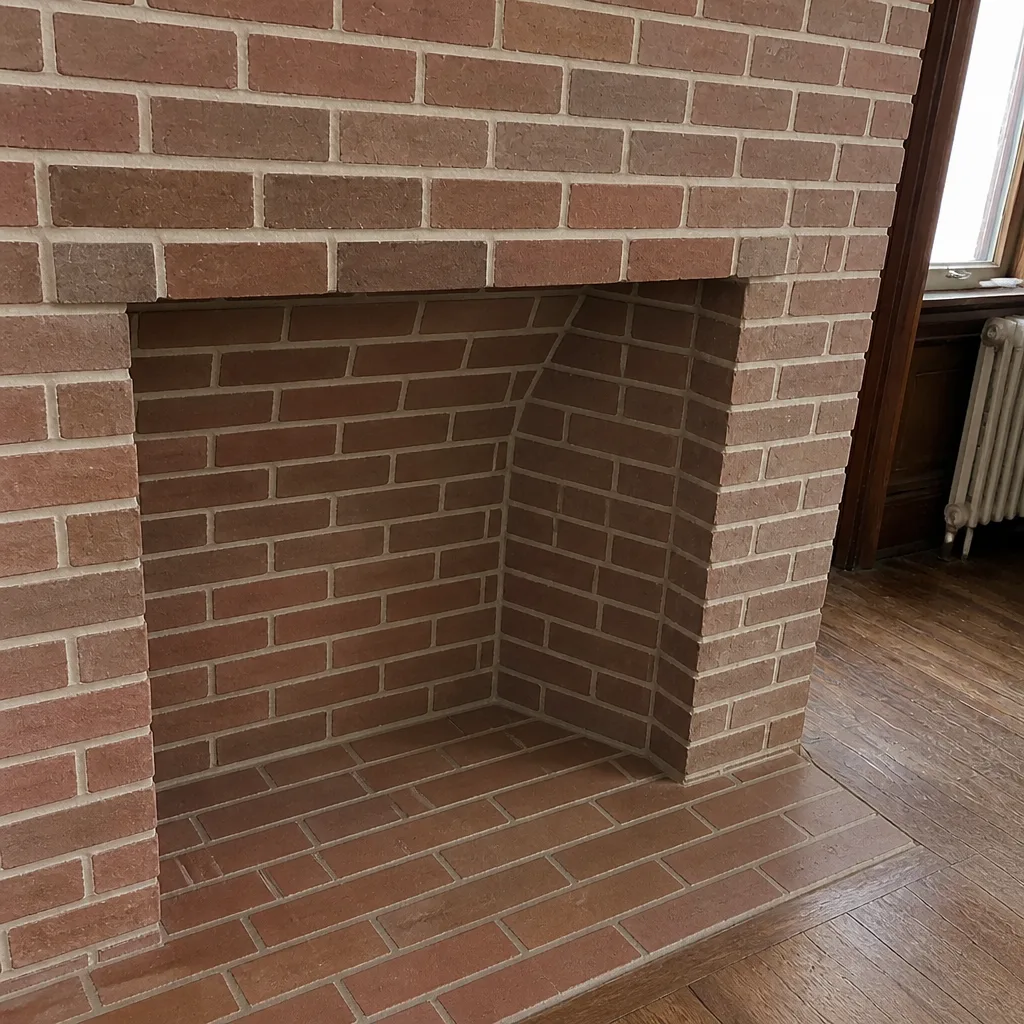
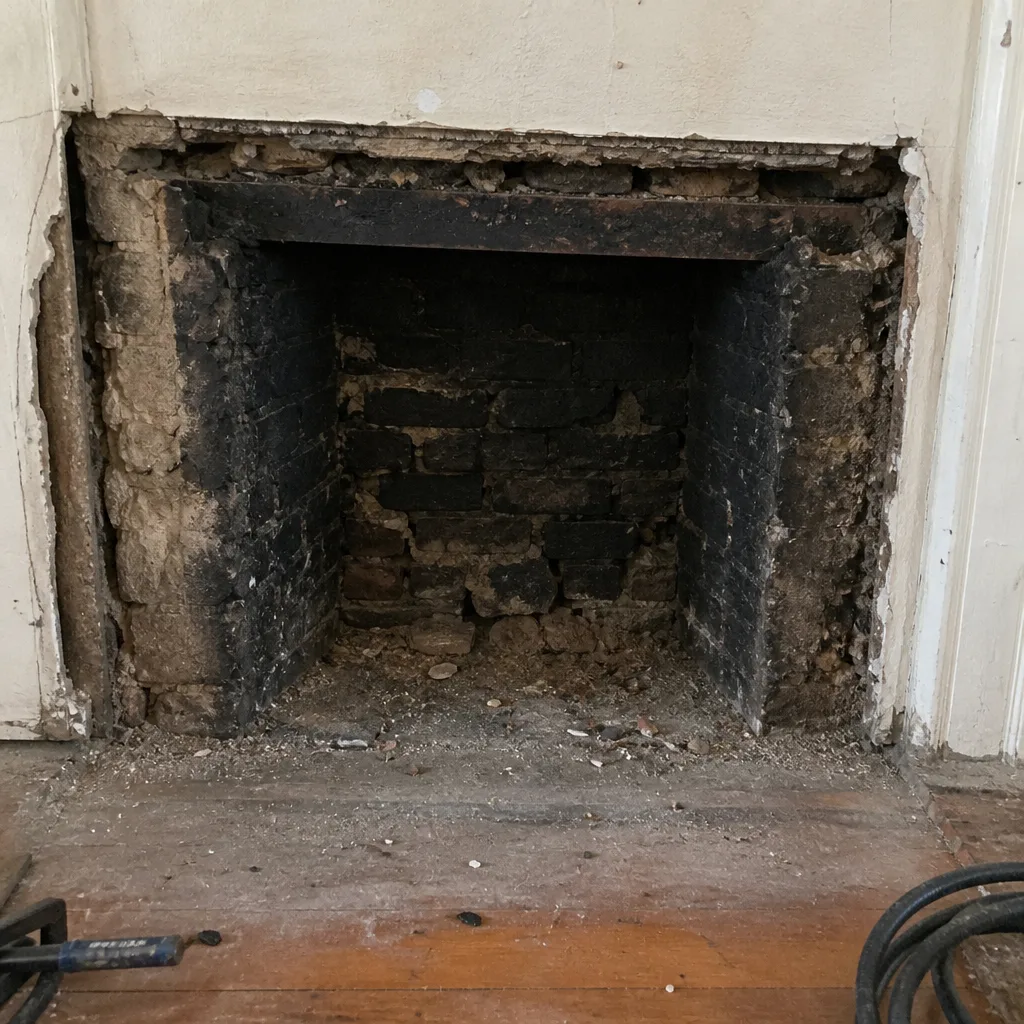
See the difference
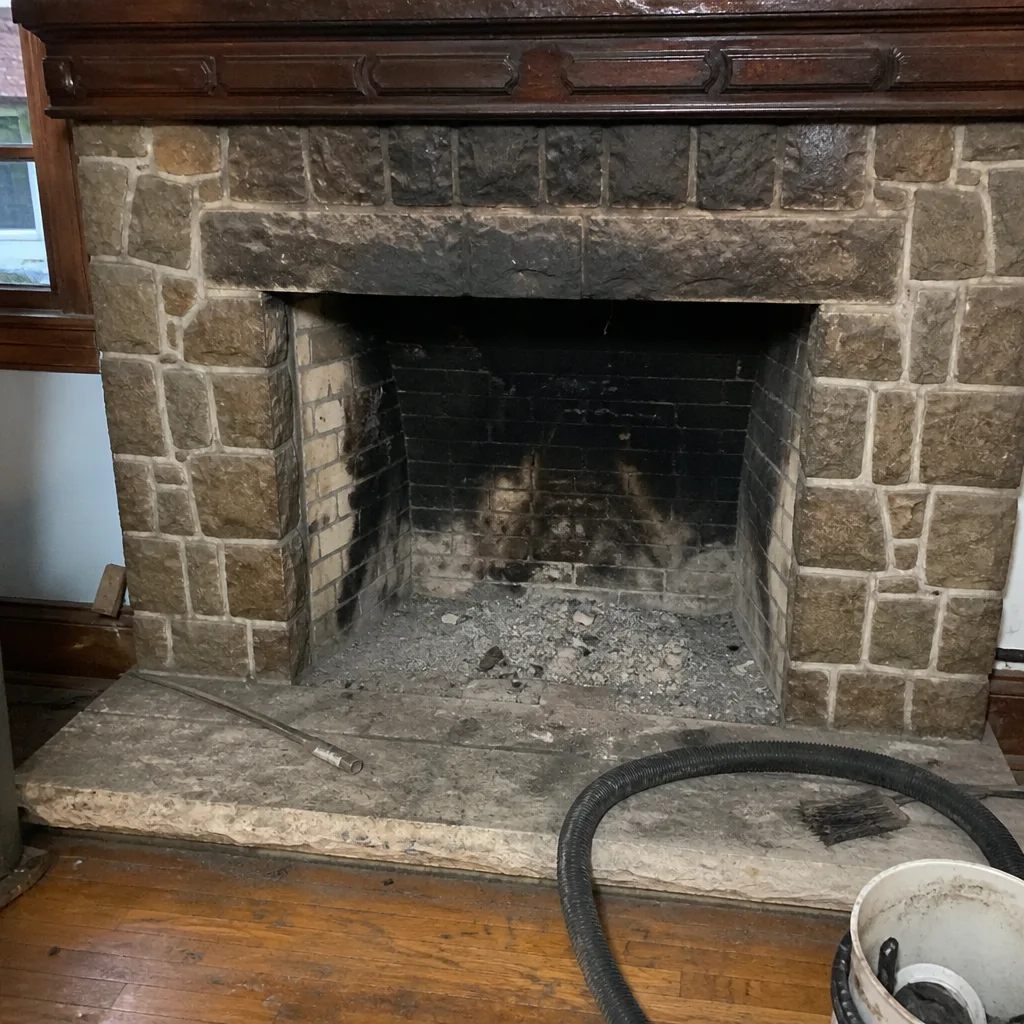 Before
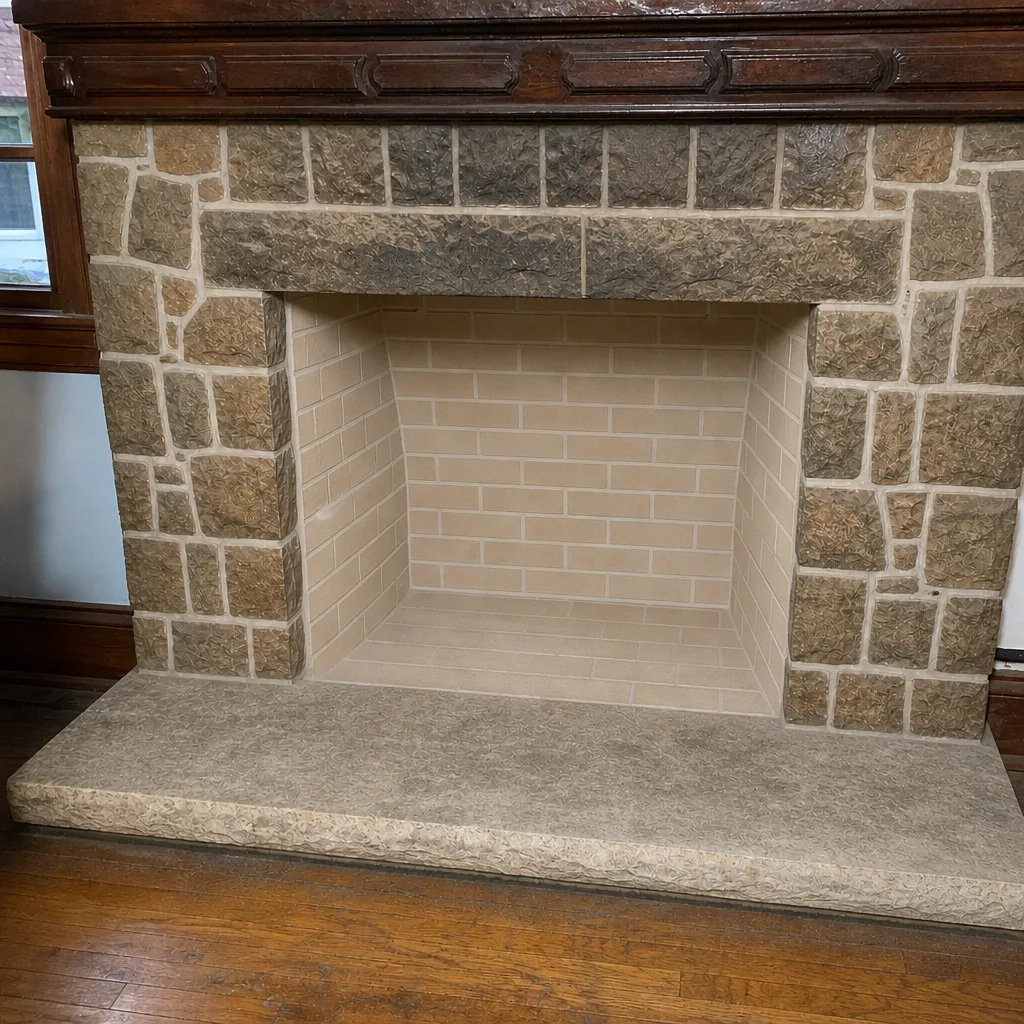 After
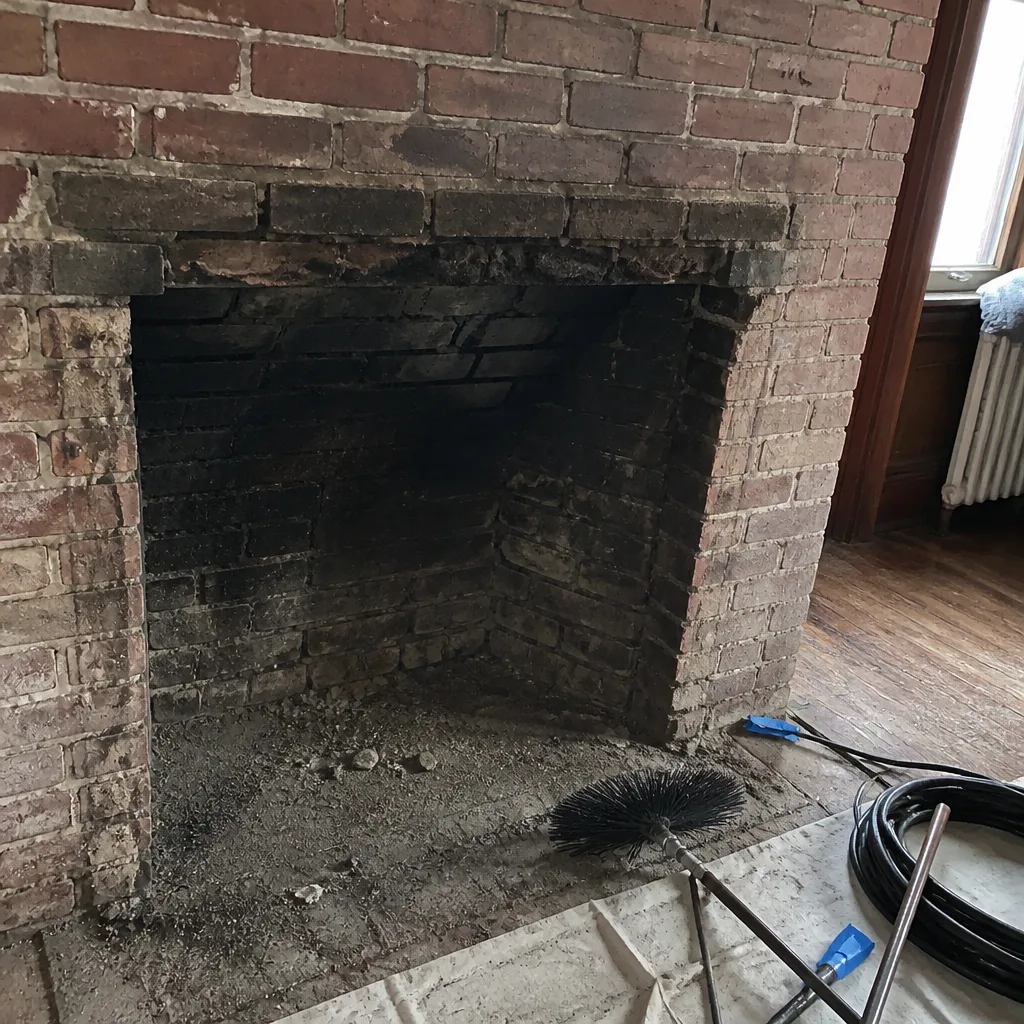 Before
 After
 Before
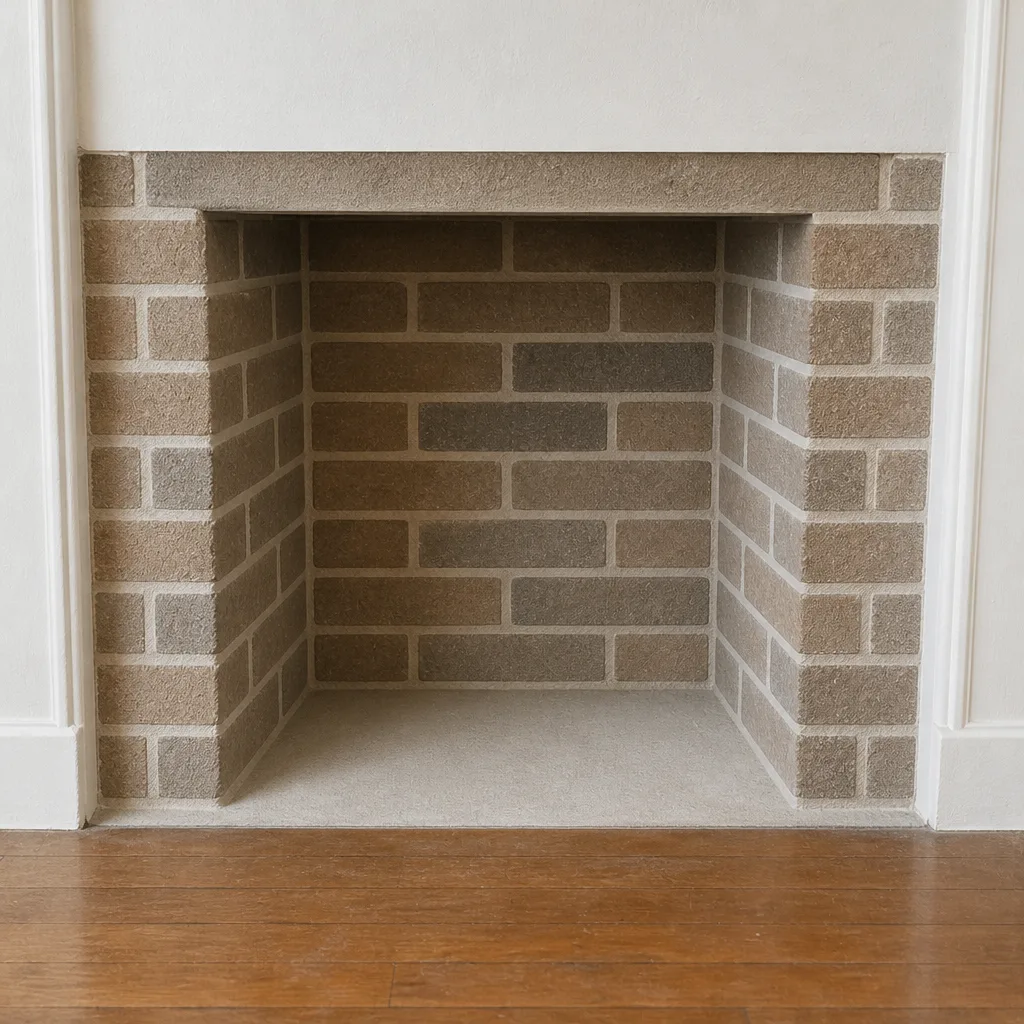 After
Frequently Asked Questions
Ask for their CSIA Certified Chimney Sweep number and verify it against the CSIA’s public database. The certification number should match the name of the technician who shows up. If the contractor can’t give you a number, or the number doesn’t verify, they aren’t a certified sweep. Alongside the CSIA credential, confirm a New York State Home Improvement Contractor license and a certificate of liability insurance.
A written estimate should itemize each part of the job separately: the sweep, the inspection, any cap or crown work, and any recommended repair, each with its own price. It should specify the brand and product of any liner or resurfacing material being installed, attach photo evidence for any repair recommendation, and list clear exclusions. Avoid estimates with lump-sum pricing or vague language like “as needed.” Call (855) 337-1157 for an exact quote. Estimates are free.
For a chimney in active use, an annual inspection and sweep is the standard. The right interval for your chimney depends on how much you burn and the condition of the flue, so the best source for your next-due date is the report from your last inspection. Unused chimneys should still be inspected on a regular schedule, since moisture damage can develop even when nothing is being burned. Ask your sweep at the end of each visit what the next interval should be.
You need a new liner only if the camera inspection shows the existing liner is damaged, missing, or improperly sized. Ask for the camera footage and the photo report and review them before accepting any liner recommendation. If the contractor can’t show you the footage, you can’t evaluate the recommendation. We recommend HeatShield resurfacing before a full liner replacement in many cases, because it restores flue integrity without demolition. Get the evidence first, then the repair. Call (855) 337-1157 if you want a second opinion on a proposed liner job.
You should receive a written inspection report describing what was found, before-and-after photos of the flue interior plus the cap, crown, and firebox, and documented warranty terms on any repair work performed. The invoice should match the estimate line by line. If any of the three is missing, ask for it before you pay. That documentation is your reference point next season and your record if an insurance question ever comes up.
Creosote builds up on the flue walls with every burn, and at higher concentrations it becomes the fuel source for a chimney fire. A blocked or damaged flue can also let carbon monoxide back into the living space. Skipping a sweep doesn’t cause a problem on a fixed schedule, but it removes your ability to catch a problem before it becomes one. Call (855) 337-1157 to book an inspection – it’s the cheapest way to know where your chimney stands.
The Bottom Line
Hiring a chimney cleaning contractor in Bushwick comes down to a short, verifiable screening process. Check for current CSIA certification, a valid New York State Home Improvement Contractor license, and a liability insurance certificate that covers chimney work. Insist on a site visit before any quote and expect a written, itemized estimate with photo evidence attached to any repair recommendation. Walk away from door-knockers, phone quotes, and free inspections that always find thousands in damage. And keep the documentation after the job: the inspection report, the photos, and the warranty terms are your leverage next season. The wrong hire can void an insurance claim and leave a real hazard on your roof. The right hire takes about an hour to find.
Contact Us
If you’re ready to book an inspection or a sweep in Bushwick, call (855) 337-1157 for a free estimate. We answer 24/7. Fast dispatch from 7am to 7pm, Sunday through Friday. From inspection to repair, handled by the same specialist crew – cap, crown, liner, flue, and firebox under one company, using professional-grade materials from DuraFlex, HeatShield, Gelco, Olympia Chimney, Famco, and Copperfield.
Written by the team at Chimney Sweep Bushwick.