
Last updated November 22, 2026
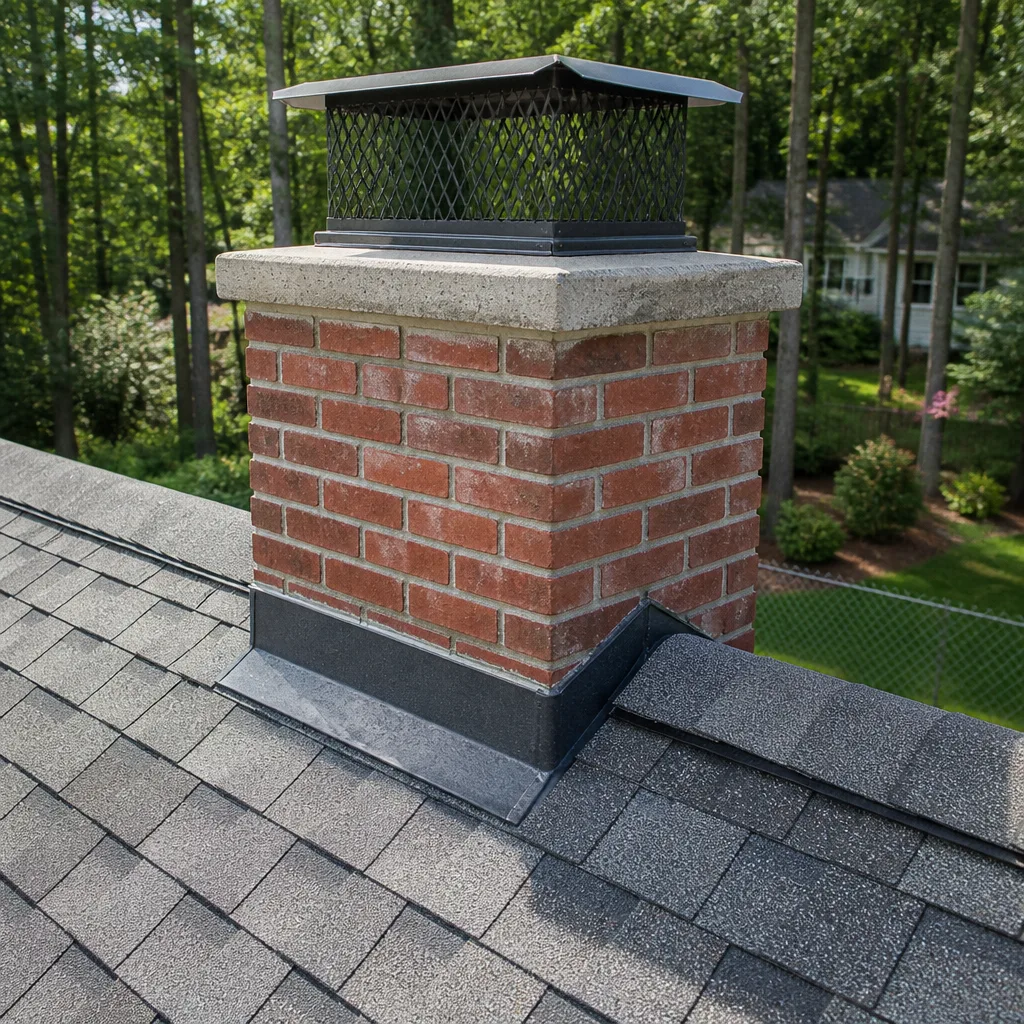 Sweep & inspection
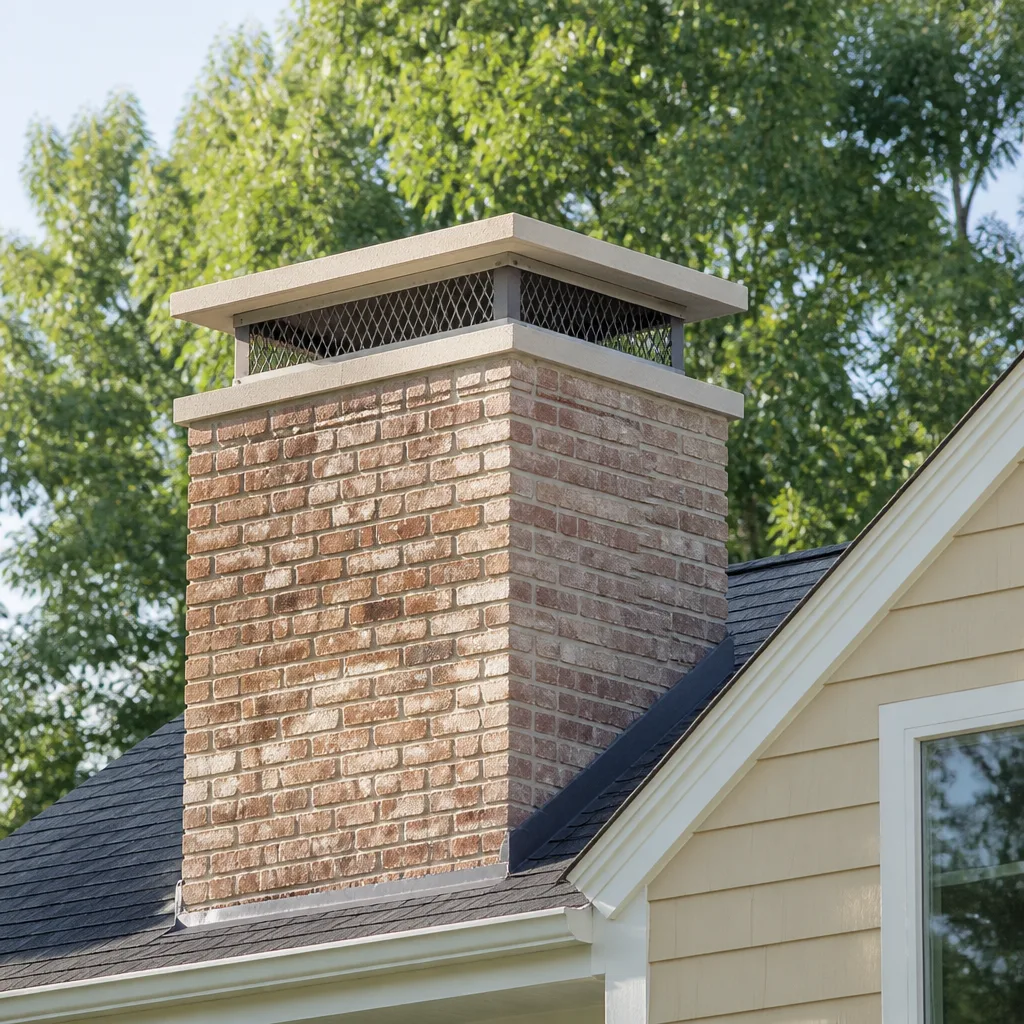 Caps & crowns
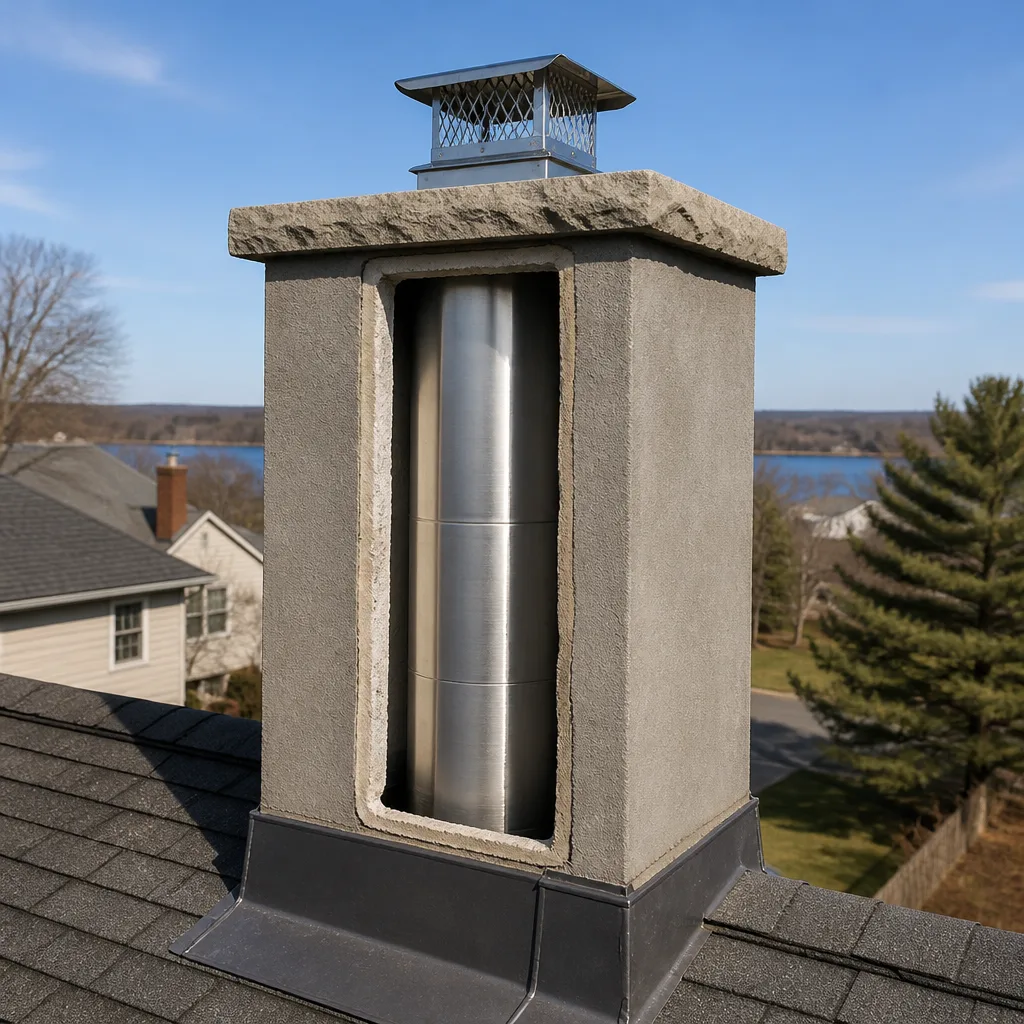 Flue relining
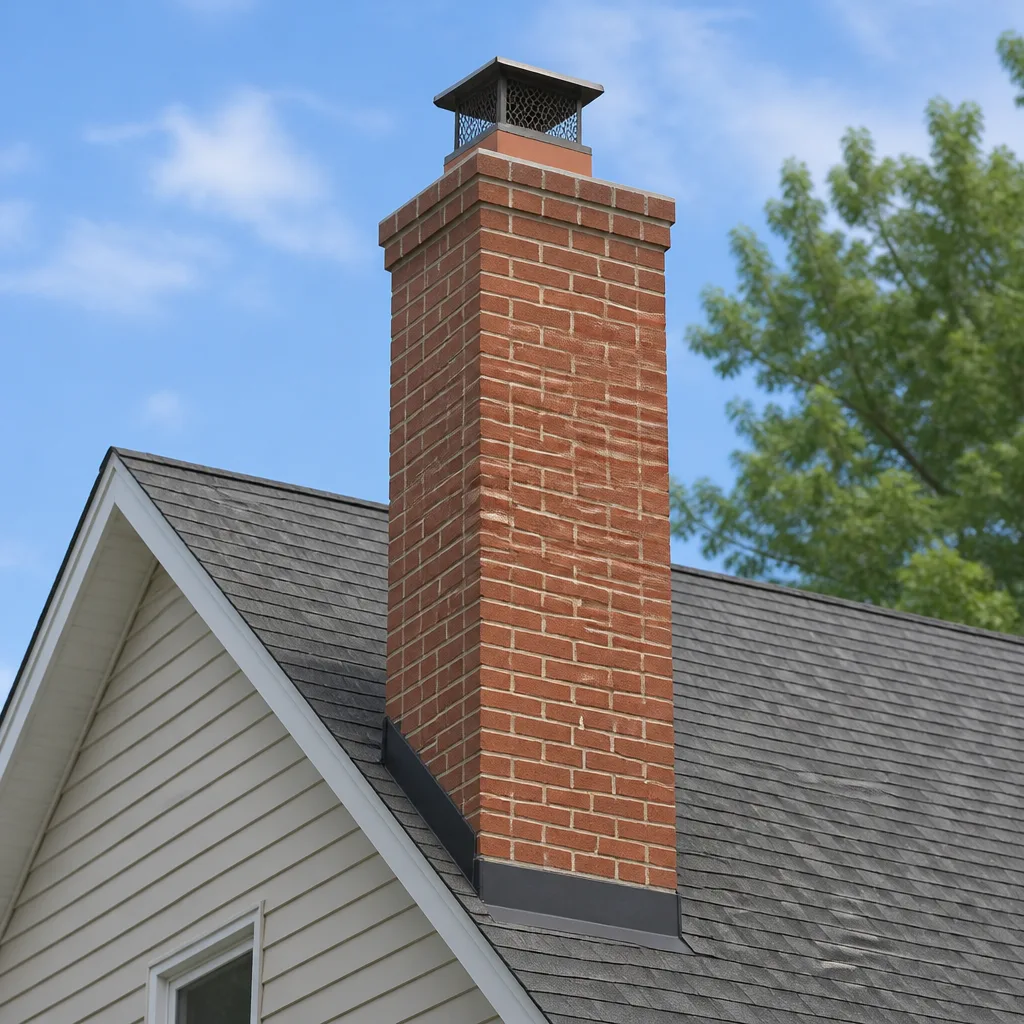 Masonry repair
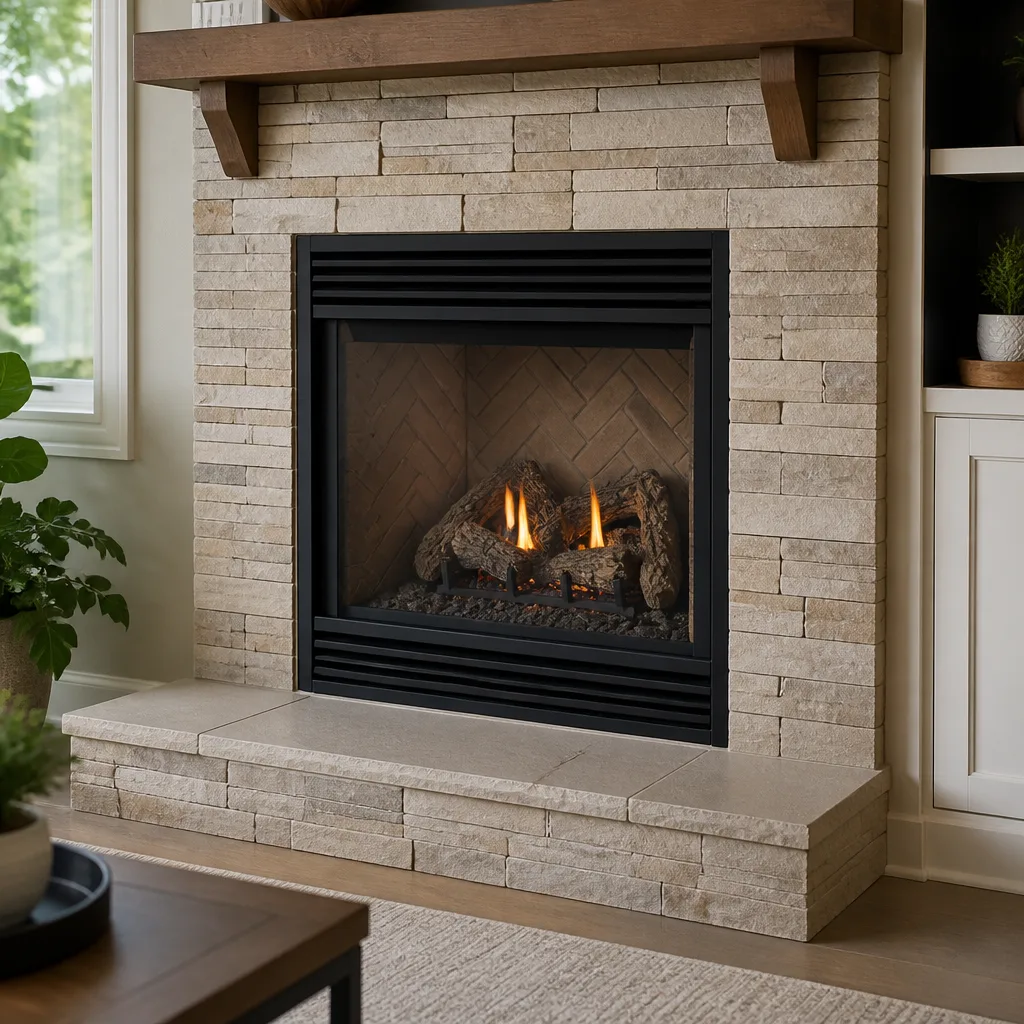 Gas fireplace service
Level 1 sweep and inspection to the NFPA 211 annual standard - flue, crown, cap, and flashing checked and photographed
Chimney sweep logs do not sweep chimneys. They loosen some creosote - which then falls where a brush and vacuum still have to collect it.
The Complete Guide to Chimney Cleaning in Bushwick
Most people assume a chimney is a chimney and a sweep is a sweep. In Bushwick, that assumption causes trouble. The rowhouses here have dense shared walls, flues that have hosted more than one fuel over their working lives, and clay tile liners that have been quietly absorbing heat cycling for generations. A flue that once vented coal, then oil, then wood, then gas carries a layered residue history, and that history shapes how a proper cleaning should be done. This guide walks through what actually matters: identifying your flue type, reading creosote stages, understanding shared-wall draft problems, and knowing what a real inspection covers.
Quick Answer
Chimney cleaning in Bushwick means removing creosote and soot buildup from a flue whose liner type and fuel history must be identified first, because clay tile, cast-in-place, and stainless steel each call for a different cleaning method. A proper visit includes a level-appropriate CSIA inspection, mechanical cleaning matched to the liner, and post-cleaning verification with a smoke test and draft measurement. Most wood-burning chimneys need sweeping once a year or after roughly a cord of wood, whichever comes first.
Styles & brands we work with
- Sweep & inspection
- Caps & crowns
- Flue relining
- Masonry repair
- Gas fireplace service
Table of Contents
- How to Identify Your Flue Liner Type in a Pre-War Bushwick Rowhouse
- The Three Stages of Creosote
- Shared-Wall Chimneys and Draft Diagnosis
- Level 1 vs Level 2 Inspections
- What a Chimney Cleaning Actually Involves
- Post-Cleaning Verification: Smoke Test, Draft, Cap and Damper
- What Chimney Cleaning Costs in Bushwick
- Common Mistakes to Avoid
- When to Call a Professional
How to Identify Your Flue Liner Type in a Pre-War Bushwick Rowhouse
The liner is the pipe inside the chimney that carries smoke and gases up and out. In a pre-war Bushwick rowhouse, that liner is almost always one of three types, and identifying it is the first thing a technician should do. The liner type determines which brush, which mechanical tool, and which cleaning approach will remove buildup without cracking the flue.
Clay tile liner. The most common in older Bushwick rowhouses. It’s built from stacked sections of terracotta tile mortared together. The joints between tiles are the weak point: heat cycling opens hairline cracks over time, and a stiff metal brush swung too hard can widen them. A technician should feel the joints and check for gaps before any cleaning begins.
Cast-in-place liner. A poured refractory material formed inside the chimney. Smoother than clay tile and generally more durable, but it can spall (flake) if it has absorbed moisture or been overheated. Cast-in-place liners call for a lighter touch and careful inspection of the surface before cleaning.
Stainless steel liner. Often installed as a reline in an older flue. The most predictable surface to clean. If a Bushwick rowhouse has been relined, the technician should confirm the liner type at the top before running any brush, since a steel liner has different seams than clay and responds best to a poly brush suited to the alloy.
- Look up the flue from the firebox with a light. Clay tile shows as a square or rectangular stack of reddish sections. Cast-in-place looks like a continuous grey surface. Steel is visible as a shiny metal tube.
- Check the chimney top for the same features. This confirms the liner runs the full height without an offset.
- Compare the flue size to the appliance. A flue that was sized for coal may be too wide for a modern wood stove, which affects draft.
A well-run chimney sweep treats liner identification as non-negotiable. It’s the diagnostic step that makes the rest of the visit safe and effective.
The Three Stages of Creosote
Creosote is the tar-like residue left behind when wood smoke cools on the flue walls. It’s the reason chimneys need cleaning, and it comes in three stages that each demand different handling. A standard brush sweep is only fully effective on Stage 1.
Stage 1: Soot and flaky creosote. A dry, powdery, easily brushed residue. This is what accumulates with regular, hot-burning fires and reasonably dry wood. A standard poly brush removes it cleanly.
Stage 2: Crusty, hardened creosote. A flaky crust that has baked onto the flue wall. A brush alone doesn’t fully remove it; the technician needs a rotary tool or a chemical creosote remover to break it down first. Stage 2 is common in Bushwick rowhouses where the flue has been used intermittently, allowing buildup to cool and harden between fires.
Stage 3: Glazed creosote. A shiny, hard, glass-like coating. The most dangerous stage and the hardest to remove. It ignites at a lower temperature than the earlier stages, which raises the risk of a chimney fire. Stage 3 usually calls for a chemical treatment followed by mechanical removal, and in some cases the liner is too compromised to save, at which point resurfacing or relining is the safer path.
If you’re trying to gauge which stage you’re looking at before a sweep, shine a light up the flue and look for powdery black (Stage 1), flaky grey-brown crust (Stage 2), or a shiny tar-like glaze (Stage 3). Don’t attempt to scrape or burn it off yourself. A trained technician has the tools and the eye for it, and a real diagnosis matters more than a guess.
Shared-Wall Chimneys and Draft Diagnosis
Bushwick’s attached rowhouses share masonry walls, and in many cases share chimney stacks. That arrangement makes draft diagnosis more complicated than in a detached home. A flue that drafts poorly next door can affect the draft in yours, especially when both fireplaces are running at once or when a neighbor’s flue has been capped or abandoned.
Draft is the upward pull of air that carries smoke out of the firebox and up the flue. When draft is weak, smoke backs into the room, the fire burns sluggishly, and creosote accumulates faster because the smoke is cooling rather than leaving. In a shared-wall chimney, a technician should check several specifics:
- Flue termination height and proximity. A flue that terminates too close to a neighbor’s roofline or to a taller shared stack can pull smoke back down. Check the top from outside, not just from the firebox.
- Adjacent flue condition. If the neighboring flue is capped, lined, or abandoned, it changes the pressure dynamics around the shared stack.
- Connector pipe and damper. A mis-seated damper or a leaky connector pipe drops draft quickly in tight rowhouse construction.
- House tightness. Modern air-sealing and insulated windows in renovated Bushwick apartments can starve a fire of make-up air. A slightly open window during the first minutes of a fire can help, but if draft is chronic, the flue needs a proper look.
- Smoke test. A technician introduces smoke into the flue and watches how it travels. Weak pull, back-puffing, or smoke leaking at joints is a clear signal the draft needs correcting.
If draft problems go unchecked, the result isn’t just smoky rooms. It’s faster creosote buildup, and that’s the condition that leads to chimney fires. A shared-wall rowhouse in Bushwick deserves a draft check on every cleaning visit.
Level 1 vs Level 2 Inspections
The Chimney Safety Institute of America (CSIA) defines three inspection levels. In a standard Bushwick cleaning visit, you’ll typically get a Level 1, and a Level 2 is called for when conditions change or a problem is suspected.
Level 1 inspection. Covers the readily accessible portions of the chimney, firebox, and connector. No tools are used to open or dismantle anything. This is the right inspection for a chimney that’s in regular use, hasn’t changed, and has no known issues. It’s standard on a routine sweep.
Level 2 inspection. Covers everything in Level 1 plus the accessible portions of the attic, crawlspace, and roof, and it’s typically done with a camera. It’s required when a chimney changes fuel type, when a home changes hands, after a chimney fire or earthquake, or when a Level 1 turns up a problem that needs a closer look. A video camera inspection is the standard tool at this level.
Level 3 inspection. The rarest and most involved: it covers concealed portions of the chimney and may require opening walls. It’s reserved for situations where a serious hazard is suspected and Level 2 findings can’t be resolved without access.
In a Bushwick rowhouse, a Level 2 often makes sense for a few specific reasons: the fuel history is layered (coal, oil, gas, wood all vented through the same flue at different times), the flue may have been modified during a renovation, or a prior sweep turned up a liner concern. We diagnose before we recommend, and that starts with the right level of inspection for your building.
If you want to know what a proper inspection looks like before you book a cleaning, our Chimney Sweep Bushwick page lays out what we check and why.
What a Chimney Cleaning Actually Involves
A proper cleaning is a sequence, not a five-minute brush job. Here’s the order a trained technician follows, whether the flue is clay tile in a pre-war rowhouse or steel in a relined chimney.
- Protect the room. Drop cloths over the hearth and floor, and a HEPA vacuum running throughout to capture fine soot.
- Inspect first. A Level 1 inspection before cleaning, including a camera check of the flue’s condition. Any cracked tile, spalled cast-in-place surface, or Stage 3 creosote is noted before brushes go up.
- Remove the damper or access point. The damper is set aside to give the brush a clean path and to inspect it for rust and warping.
- Brush the flue. A poly brush matched to the liner type. For Stage 1 creosote, a standard brush does the job. For Stage 2, a rotary tool or creosote remover is used first. Stage 3 may need chemical treatment and a follow-up visit.
- Clean the firebox and smoke shelf. The smoke shelf behind the damper traps soot and needs clearing or the firebox will draft poorly.
- Clean the connector pipe. If there’s a stove or insert, the connector pipe gets brushed from the firebox up.
- Remove and dispose of the debris. All soot and creosote captured, bagged, and taken out of the home.
The type of liner matters through every step. A stiff brush on clay tile can widen hairline cracks. A steel liner responds best to a poly brush sized to the flue. And if the liner turns out to be damaged, the sweep shouldn’t simply clean and leave; the liner needs to be flagged for repair or resurfacing, which is where a system like HeatShield can restore flue integrity without a full liner replacement.
Post-Cleaning Verification: Smoke Test, Draft, Cap and Damper
A cleaning isn’t finished when the brush comes down. The verification step is what separates a proper sweep from a quick one. Here’s what should happen after cleaning, before the technician leaves.
- Smoke test. A smoke pellet or smoke gun introduced at the firebox, with the technician watching how it travels up the flue. A clean, strong pull is the goal. Smoke that lingers, backs into the room, or leaks at joints signals a draft problem that needs diagnosis.
- Draft measurement. A draft gauge reads the pressure inside the flue. It gives a number, not just an impression, which matters in shared-wall rowhouse chimneys where draft can be marginal.
- Cap condition. The chimney cap is the first line of defense against rain, snow, and animals. If it’s missing, loose, or rusted through, moisture is getting into the flue, which is the leading cause of long-term chimney deterioration. A cap is one of the most cost-effective repairs on a Bushwick rowhouse.
- Crown check. The crown is the concrete or masonry slab on top of the chimney. Cracks in the crown let water in and cause freeze-thaw damage in a Bushwick winter. This is a common oversight; the chimney cap & crown specialty exists precisely because moisture defense matters so much.
- Damper operation. The damper should open and close smoothly and sit flush when closed. A warped or rusted damper leaks heat and hurts draft.
- Liner observation. A final check of what the brush and camera revealed. If the liner is compromised, this is where the repair conversation starts.
If you’re dealing with a draft you can’t pin down, a standalone chimney inspection is the right next step before any cleaning is booked, because a cleaning won’t solve a draft problem that starts with a structural issue.
What Chimney Cleaning Costs in Bushwick
Chimney cleaning in Bushwick typically runs from $150 to $350 for a standard residential sweep, with the final price set by the written estimate after the technician has seen the flue. The range reflects liner condition, creosote stage, access, and whether the visit includes an inspection or a cap check.
| Service | Typical estimated range |
|---|---|
| Standard chimney sweep (Level 1 inspection included) | $150 – $250 |
| Sweep with Stage 2 creosote removal | $250 – $400 |
| Level 2 inspection with camera | $200 – $350 |
| Chimney cap installation | $150 – $350 |
| Crown repair or resurfacing | $250 – $600 |
| Flue resurfacing (HeatShield system) | $1,200 – $2,500 |
| Flexible liner installation (DuraFlex system) | $2,000 – $4,500 |
These are estimates, not quotes. The written estimate sets the final price, and the technician should walk you through what’s included before you book. A sweep that includes a camera inspection and a photo report is worth the extra cost, because it gives you evidence of the flue’s condition you can see for yourself. If we don’t have camera evidence for a recommendation, we don’t make it. And if a repair can safely wait, we’ll tell you that too.
For a full-service chimney chimney sweep in Bushwick, our team handles cleaning, inspection, and any repair the diagnosis calls for. Call (855) 337-1157 for a free estimate. We answer 24/7. Fast dispatch from 7am to 7pm, Sunday through Friday.
Common Mistakes to Avoid
- Treating a clay tile flue like a steel one. A stiff metal brush swung too hard on a pre-war clay tile liner can widen the joints between tile sections. Match the brush to the liner, every time.
- Assuming a standard sweep handles Stage 3 creosote. Glazed creosote needs chemical treatment and often a follow-up visit. A brush alone leaves it behind, and Stage 3 is the stage that ignites.
- Skipping draft diagnosis on a shared-wall rowhouse. Adjacent flue conditions and shared stacks affect your draft. If the technician doesn’t check the neighbor’s flue termination and the smoke shelf, the diagnosis is incomplete.
- Cleaning without inspecting first. A sweep that starts brushing before identifying the liner and creosote stage is guessing. Inspection first, always.
- Ignoring a missing or damaged cap. A cracked crown or missing cap lets rain in, and freeze-thaw cycles in a Bushwick winter do the rest. Water is the leading cause of long-term chimney deterioration.
- Booking a sweep without a camera. Without a camera inspection, you’re relying on the technician’s word alone. Ask for the photo report, and ask to see it.
- Burning unseasoned wood. Wet wood smokes more, cools faster in the flue, and builds creosote quicker. Seasoned wood burned hot is the single best thing you can do between sweeps.
When to Call a Professional
Call a professional chimney sweep in Bushwick when you notice any of the following: a smoky fire that won’t draw, soot falling into the firebox, a strong creosote smell on warm days, visible cracked or missing tile in the flue, a damaged cap or crown, or a flue that hasn’t been swept in over a year of regular use. Also call if the building has changed fuel type, if you’re buying or selling a Bushwick rowhouse (a Level 2 inspection is standard in a transaction), or if you’re converting a fireplace from wood to gas or the reverse.
Don’t try to clear a creosote blockage or scrape a flue yourself. A trained technician has the tools, the camera, and the experience to see what the flue actually needs. Chimney Sweep Bushwick offers free estimates in Bushwick; call (855) 337-1157. We answer 24/7. Fast dispatch from 7am to 7pm, Sunday through Friday.
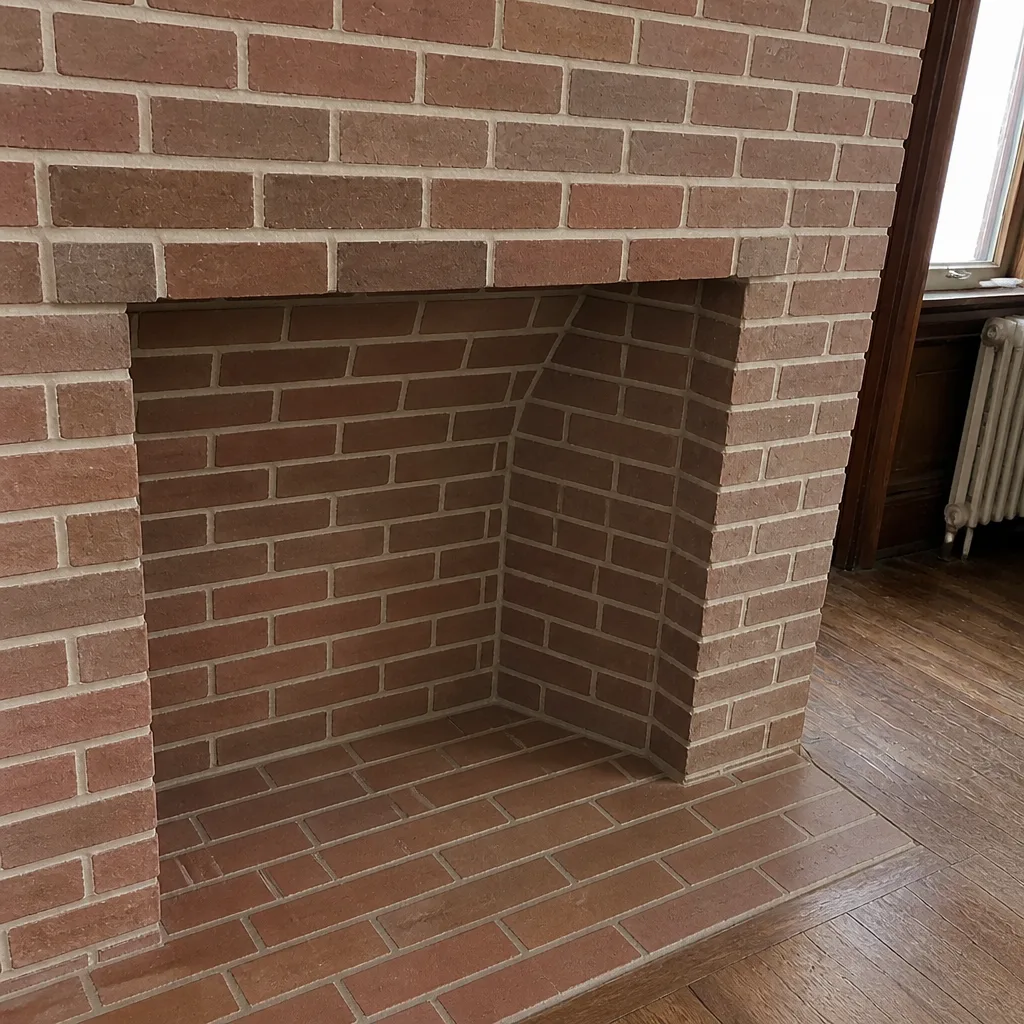
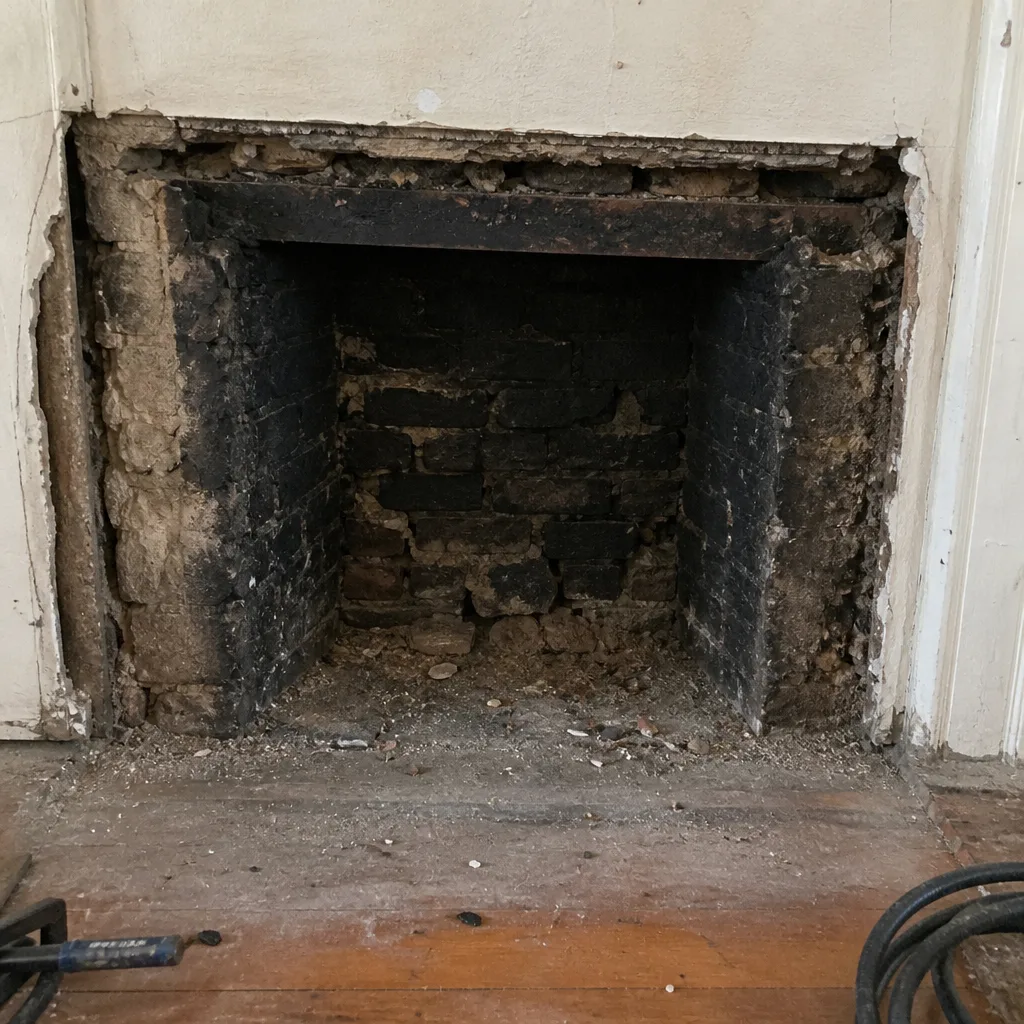
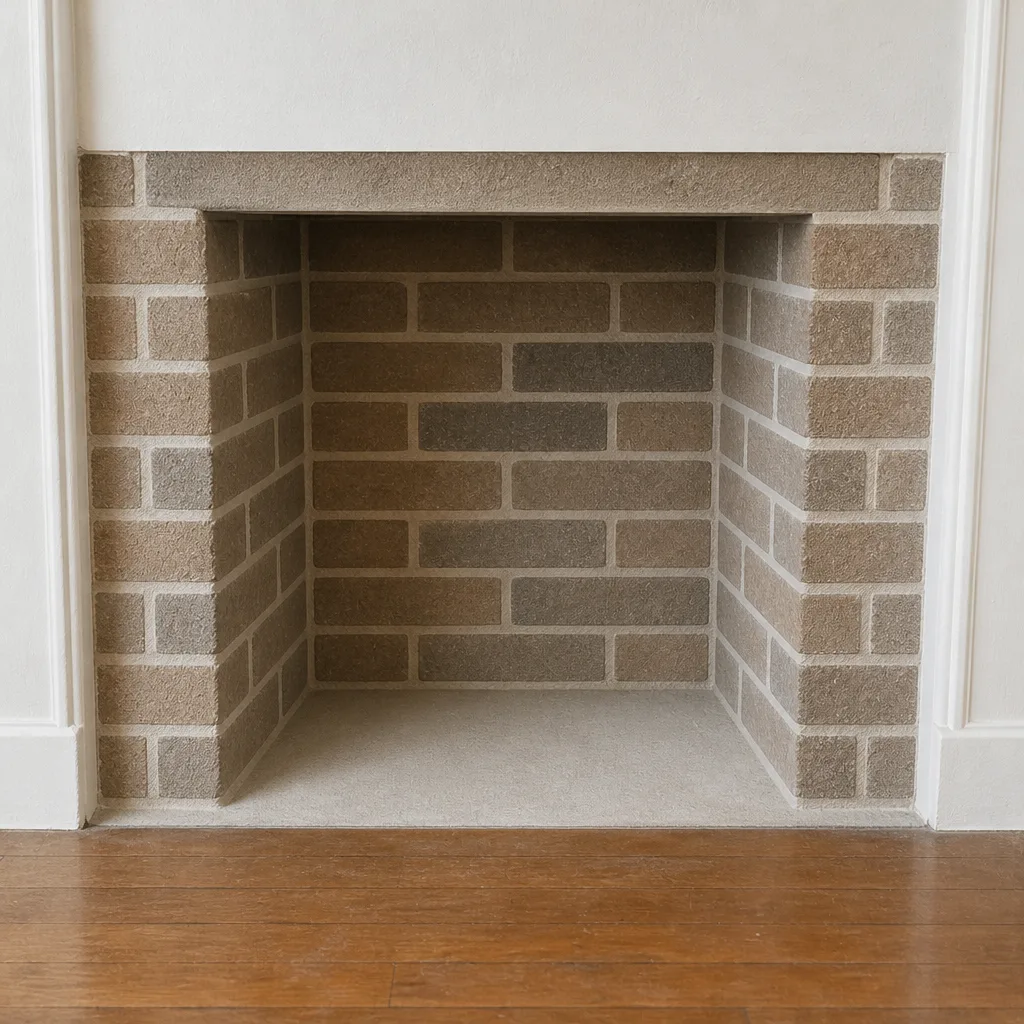
See the difference
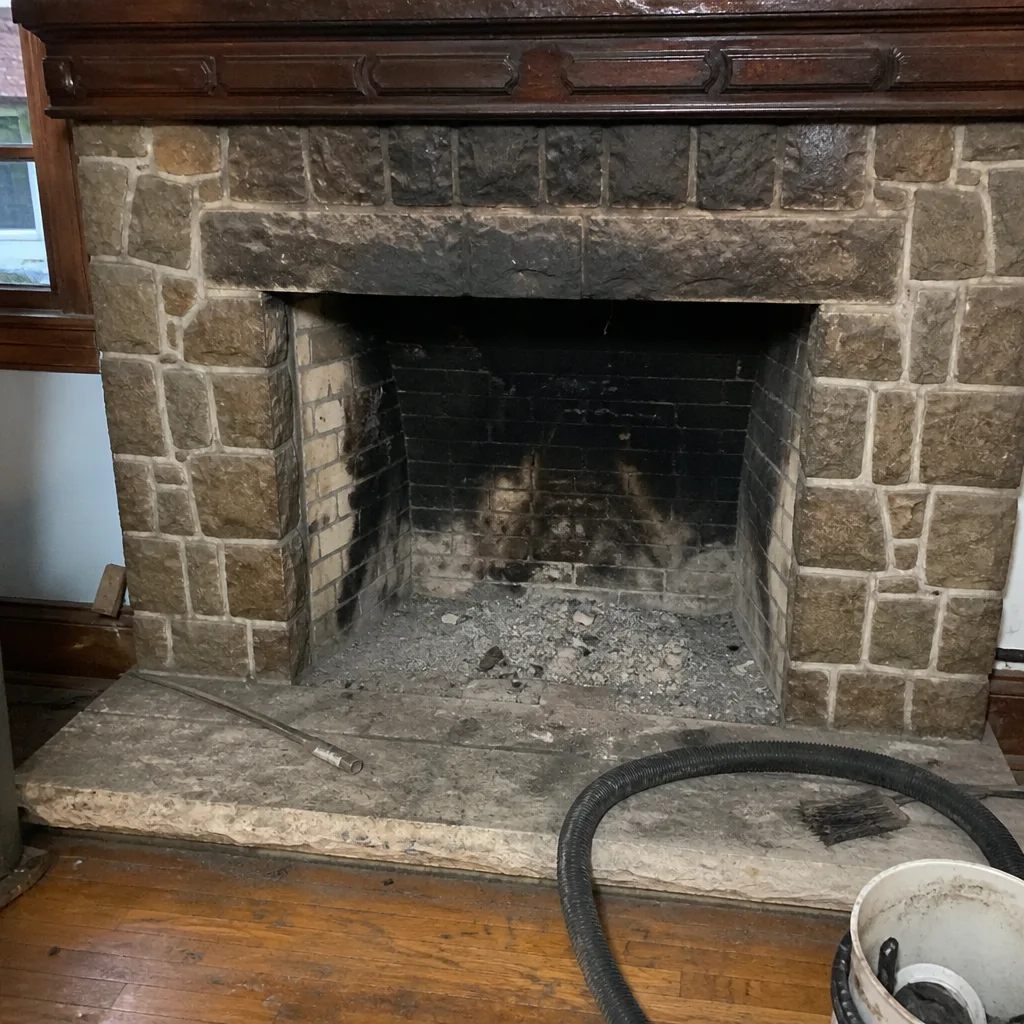 Before
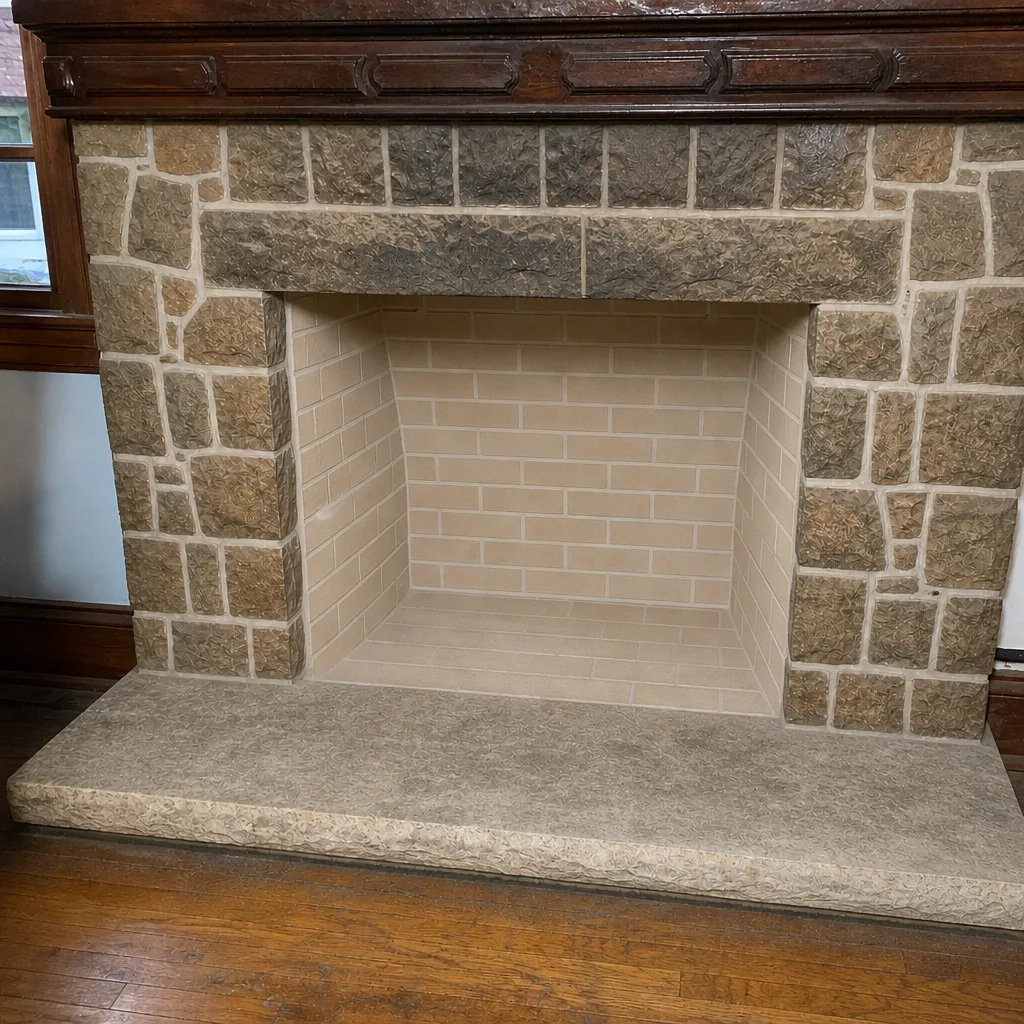 After
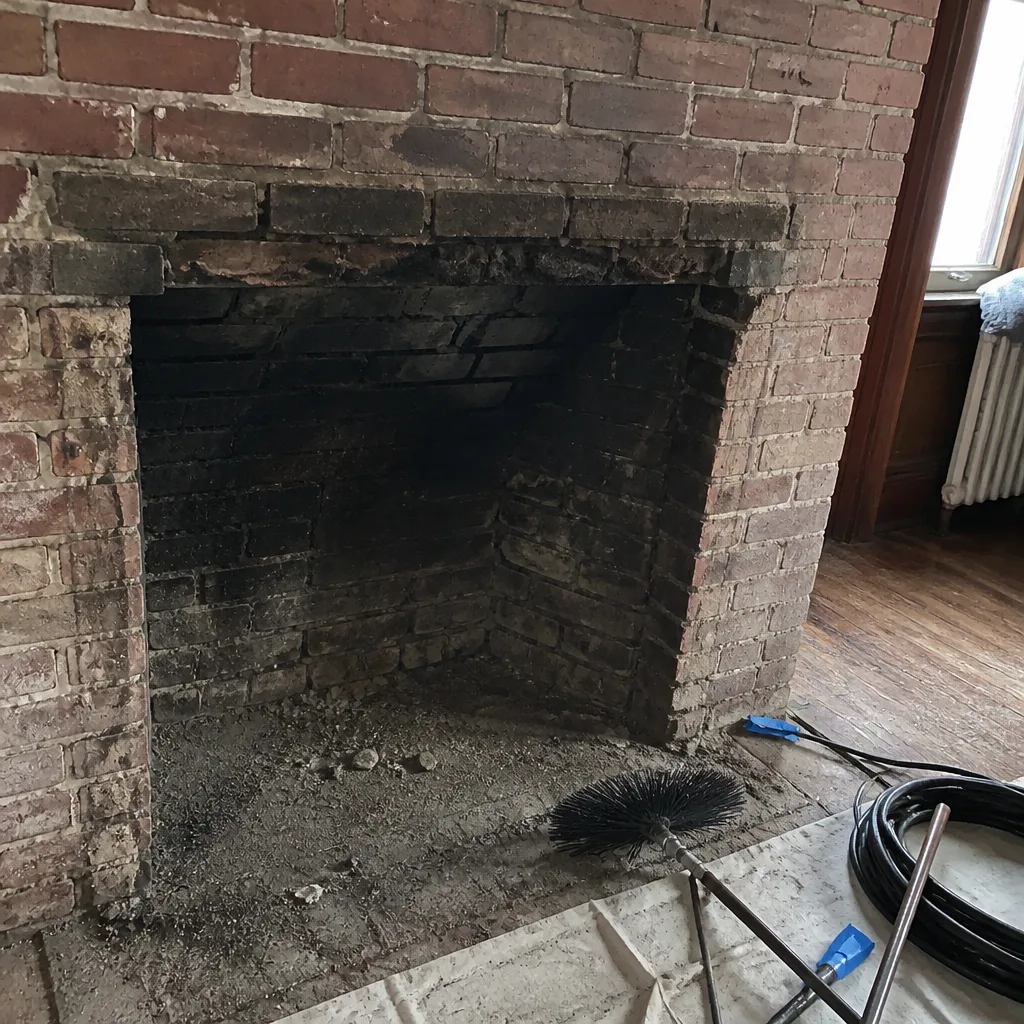 Before
 After
 Before
 After
Frequently Asked Questions
Once a year for a regularly used wood-burning fireplace, or after roughly a cord of wood, whichever comes first. Bushwick rowhouses that burn wood through the colder months often need a sweep in late autumn before the burning season starts, and another look in spring if the flue saw heavy use.
It depends on what the inspection shows. A liner with minor cracks or a spalled surface can often be resurfaced with a system like HeatShield, which restores the flue’s integrity without a full tear-out. A badly damaged liner or one that’s failed at multiple points usually needs a new liner, and a flexible liner like DuraFlex can be installed in a way that’s minimally invasive. We only recommend a liner when the camera evidence shows it’s necessary, and we show you that evidence before you decide.
A Level 1 is a visual check of the readily accessible parts of the chimney, firebox, and connector, done on a routine sweep. A Level 2 adds a camera inspection of the flue and covers the attic, crawlspace, and roof where accessible. A Level 2 is standard when a home changes hands, when a fuel type changes, or when a Level 1 turns up a problem that needs a closer look.
Yes. Shared-wall chimneys are standard in Bushwick’s attached rowhouse stock, and a trained technician knows how to clean one without disturbing the adjacent flue. The visit should include a check of the neighbor’s flue termination and a draft measurement, because shared stacks change how each flue draws.
Stage 3 is glazed, hardened creosote that ignites at a lower temperature than earlier stages. It’s the most serious stage and the hardest to remove. A brush sweep alone won’t clear it; chemical treatment and mechanical removal are usually needed, and if the liner is compromised, resurfacing or relining is the safer path. Call (855) 337-1157 for a free estimate.
Before. A sweep booked before the first fires of the season clears the flue so the first burn draws cleanly and you start the season knowing the cap, crown, damper, and liner are sound. If the flue saw heavy use through the winter, a spring check is worth it too.
The Bottom Line
Chimney cleaning in Bushwick is not a generic maintenance task. The liner type in a pre-war rowhouse determines the tool and the method. The creosote stage determines how much work the sweep involves. The shared-wall chimney arrangement determines how draft gets diagnosed, and the post-cleaning verification is what proves the job was done right. A proper visit covers all of it: inspection first, cleaning matched to the flue, then a smoke test, draft measurement, and a check of the cap, crown, and damper. From inspection to repair, handled by the same specialist crew, with professional-grade materials. If you’re ready to book, call (855) 337-1157 for a free estimate. We answer 24/7. Fast dispatch from 7am to 7pm, Sunday through Friday.
Written by the team at Chimney Sweep Bushwick.