
Last updated November 22, 2026
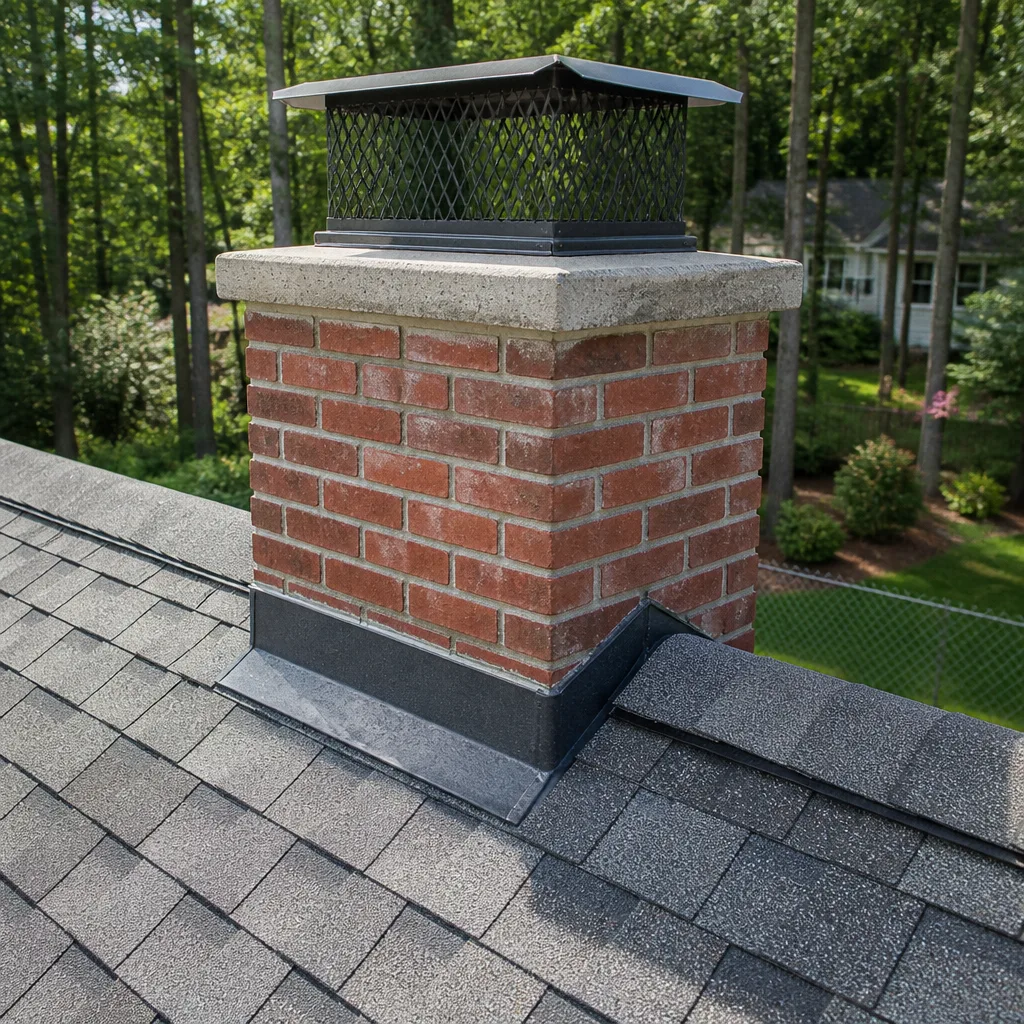 Sweep & inspection
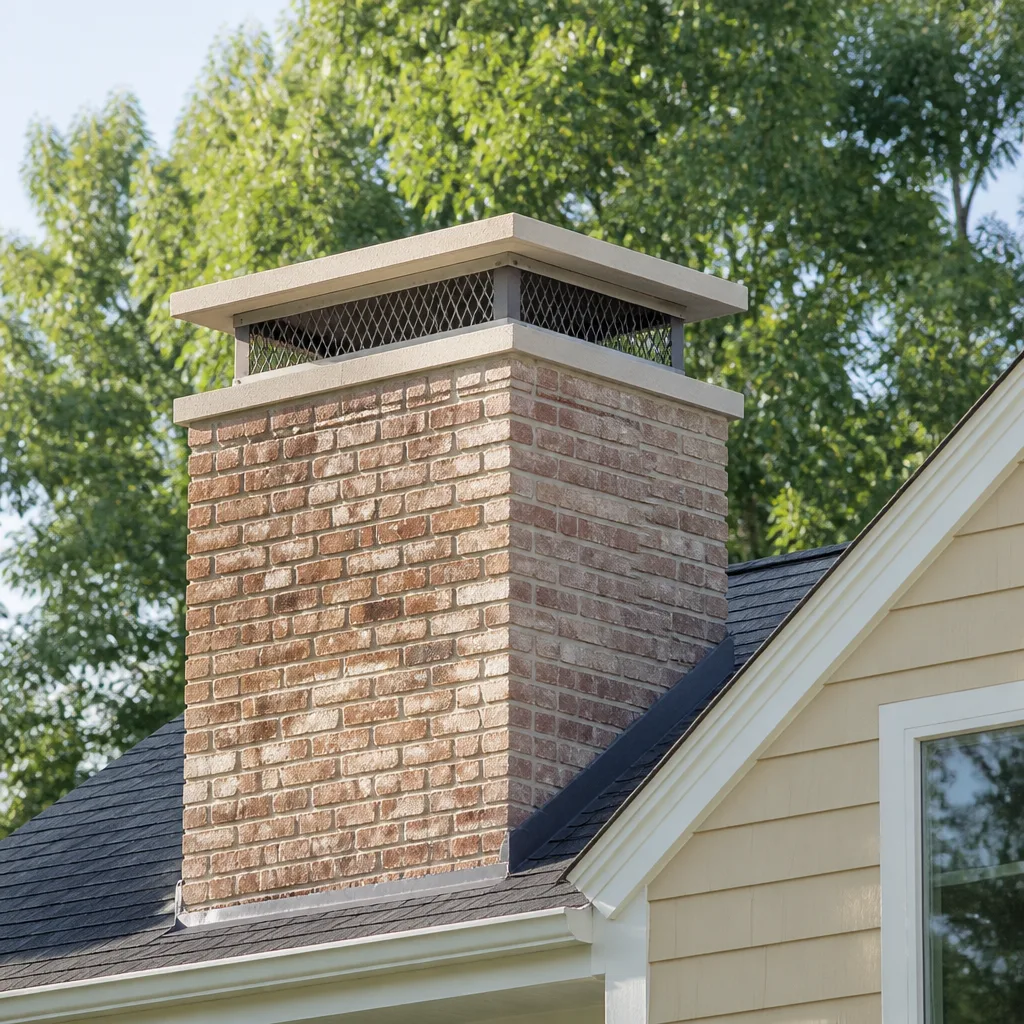 Caps & crowns
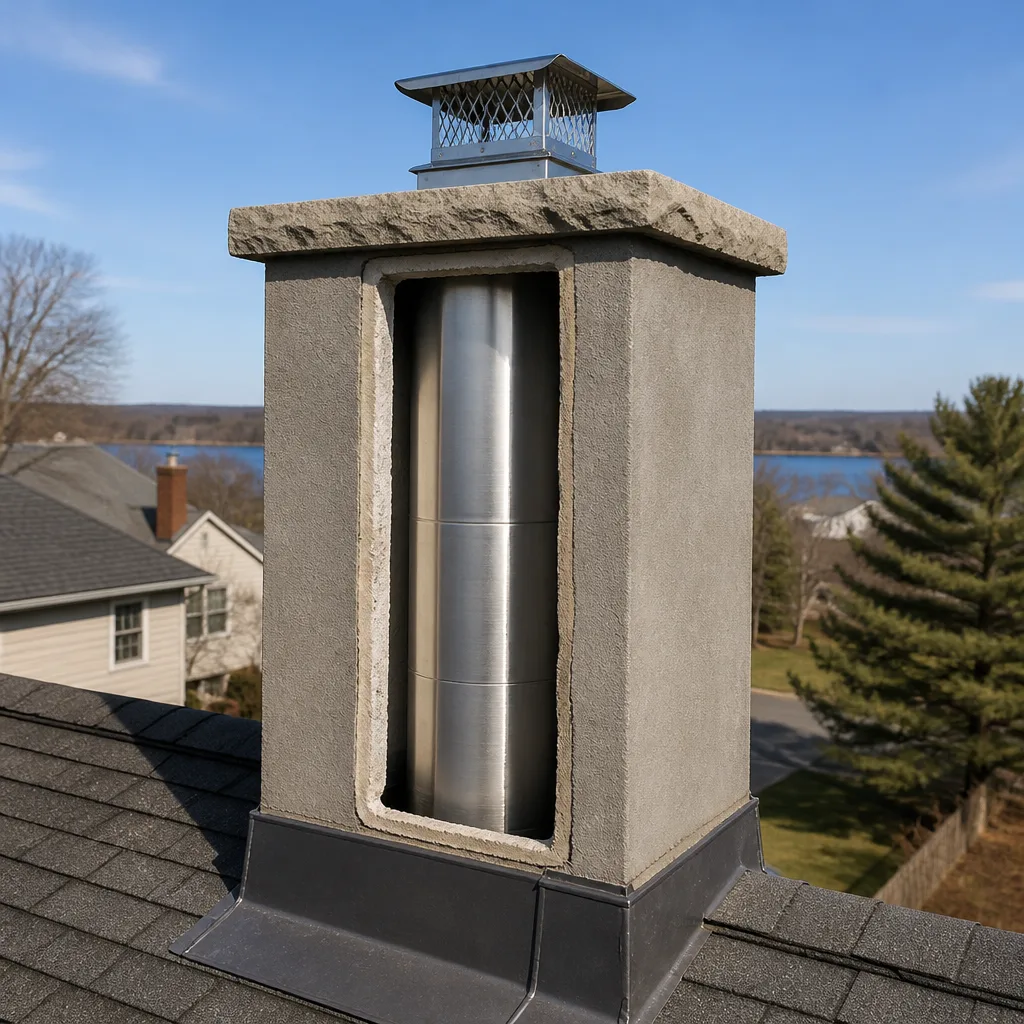 Flue relining
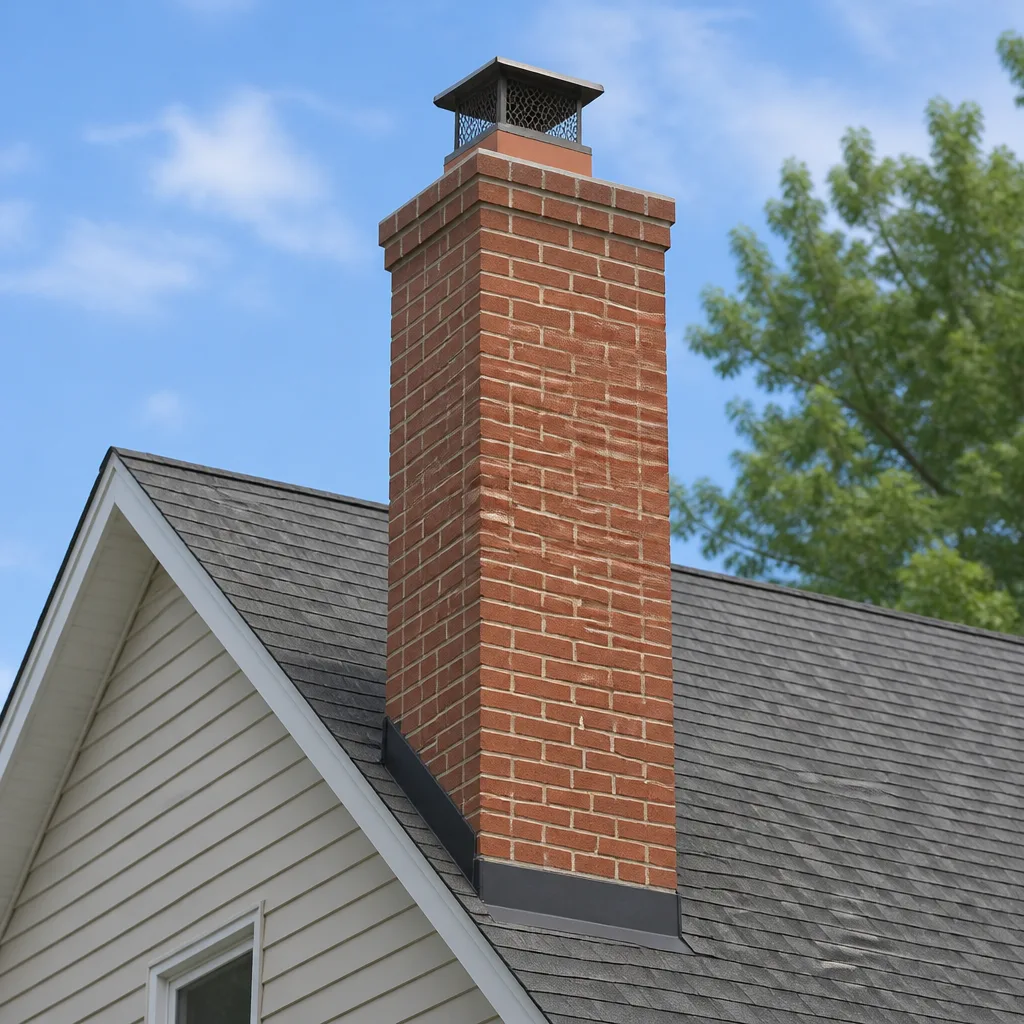 Masonry repair
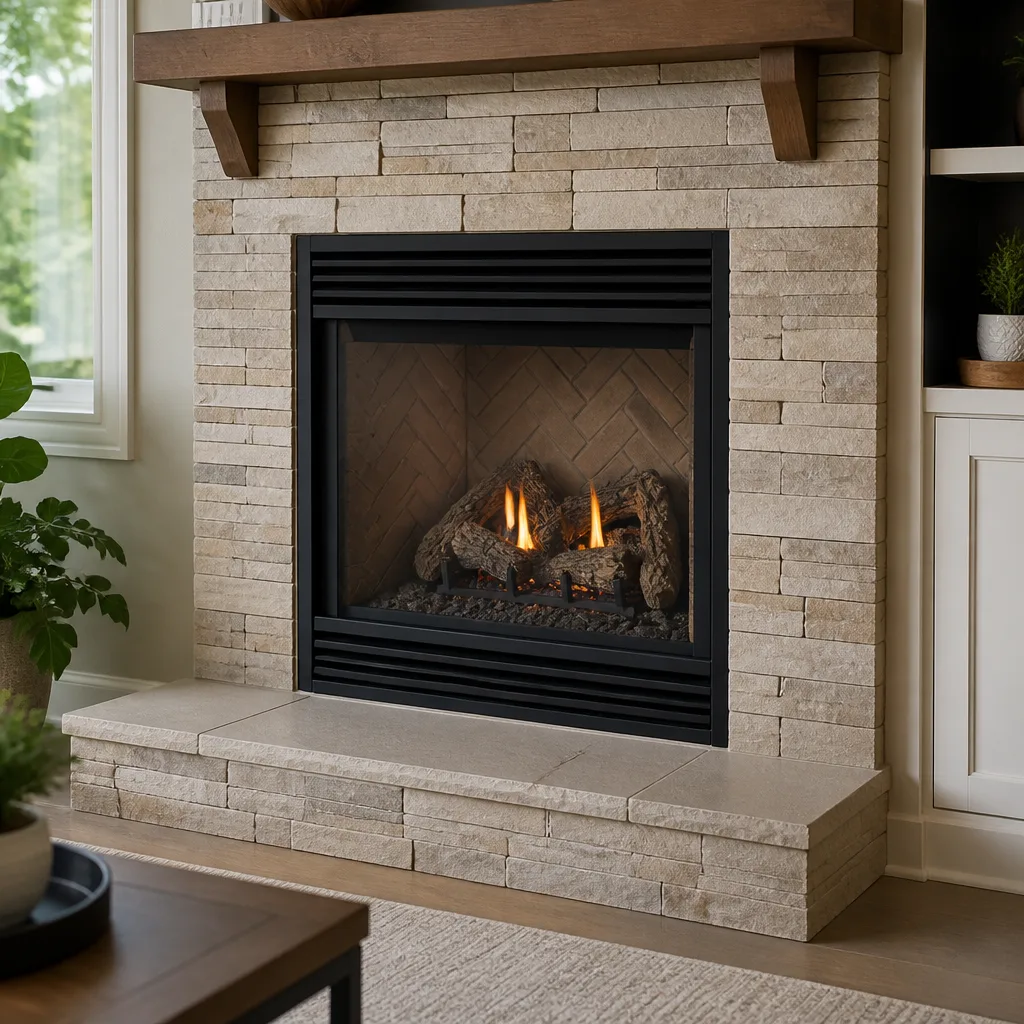 Gas fireplace service
Level 1 sweep and inspection to the NFPA 211 annual standard - flue, crown, cap, and flashing checked and photographed
Chimney sweep logs do not sweep chimneys. They loosen some creosote - which then falls where a brush and vacuum still have to collect it.
Chimney Sweep Maintenance Schedule: What to Do and When
Most chimney advice you’ll read points to one number: once a year. That standard comes from NFPA 211, which says every chimney should be inspected annually and swept as needed. It’s a good floor, and it’s written for every chimney in every climate. But a Bushwick rowhouse running a wood fire four nights a week through a February cold snap is not the same as a gas insert that gets lit twice a season. The right maintenance cadence depends on fuel type, how hard you burn, and what’s hanging off the flue. This guide breaks the schedule down by those variables, not just by month on a calendar. You’ll learn how cordwood volume sets sweep intervals, why gas and oil appliances follow a different clock, the real trade-off between a spring and a fall sweep in Bushwick, and how to log it all so it holds up for your insurer or a future buyer.
Quick Answer
Chimney maintenance runs on an annual inspection, with a sweep whenever there’s roughly an eighth of an inch of creosote buildup, or about a cord of wood burned. Wood-burning fireplaces usually need a sweep each year; gas inserts need inspection but seldom a sweep; oil-fired flues follow the appliance maker’s service interval and annual inspection. The schedule shifts with fuel, usage, and how your Bushwick masonry handles winter.
Styles & brands we work with
- Sweep & inspection
- Caps & crowns
- Flue relining
- Masonry repair
- Gas fireplace service
Table of Contents
- Why the Calendar Alone Gets It Wrong
- Wood-Burning Fireplaces: Usage-Based Frequency
- Gas Inserts and Oil-Fired Appliances: Separate Timelines
- Spring vs. Fall: Which Sweep Timing Fits Bushwick
- What to Self-Inspect Between Professional Visits
- Logging Maintenance for Insurance and Resale
- A Month-by-Month Maintenance Plan
- Common Mistakes to Avoid
Why the Calendar Alone Gets It Wrong
A maintenance schedule keyed only to the calendar assumes every chimney works the same way. They don’t. Two fireplaces on the same Bushwick block can need completely different service because of what feeds them and how often they run.
Three variables drive the schedule. The first is fuel. Wood, gas, and oil each leave different deposits, at different rates. The second is burn volume. A household that burns a cord and a half a season builds creosote faster than one that burns half a cord. The third is the appliance and venting setup. An open-masonry fireplace moves a lot of air and deposits differently than a sealed insert with its own liner.
Creosote is the reason this matters. It’s the tar-like residue left by wood combustion, and it builds in stages. A light dust layer is normal. A glazed, hardened layer is what chimney sweeps worry about, because it’s harder to remove and it can ignite. The eighth-of-an-inch rule is the working threshold: once buildup reaches that depth, it’s time to sweep. Your real interval is whatever number of months gets you there, and that number is set by usage, not by a date on the wall.
In our experience across Bushwick, the honest answer to “how often should I sweep” is a question first: how much wood, and how often? Answer that and the interval usually names itself.
Wood-Burning Fireplaces: Usage-Based Frequency
For wood, the most accurate maintenance trigger is how much cordwood you actually burn, not which month it is. Here’s a rough schedule that most chimney sweeps and the industry standards agree on:
| Wood burned per season | Suggested sweep interval | Notes |
|---|---|---|
| Light (up to about half a cord) | Every 12 to 18 months | Annual inspection still applies |
| Moderate (about one cord) | Once per year | Most busy households land here |
| Heavy (two cords or more) | Twice per year | Often mid-season plus a spring sweep |
Two cords a winter is common in a cold rowhouse where the fireplace earns its keep. If that’s you, a single annual sweep in the fall won’t cut it. Buildup reaches the eighth-inch mark mid-season, and by spring the flue is carrying more than it should.
Usage also changes how the fire burns. Green or unseasoned wood leaves more creosote than dry, well-seasoned wood. A slow, smoldering fire deposits more than a hot, efficient one. So a heavy burner who also loads up on damp logs accelerates the clock. That’s a self-audit you can do at home: track your cordwood, note how the wood feels and sounds when it goes in, and let that inform when you book.
For a wood fireplace, the rhythm that works is an annual inspection as the anchor, with sweeps scheduled around your burn volume. When buildup is heavy, a sweep mid-season plus a spring sweep keeps the flue in safe condition instead of letting deposits stack up across two winters.
Gas Inserts and Oil-Fired Appliances: Separate Timelines
Gas and oil don’t follow the wood clock. Each produces different byproducts on different schedules, and lumping them together is one of the most common scheduling errors we see.
Gas inserts and gas fireplaces
A gas fireplace produces very little creosote, so it rarely needs a sweep in the wood-fired sense. What it does need is an annual inspection and cleaning of the burner, logs, and venting. Gas appliances can leave a light dust or soot residue, and the venting can collect debris or show signs of bird or pest activity. A gas insert that hasn’t been inspected in years can also develop draft issues that let combustion byproducts into the room rather than up the flue. That’s why gas still belongs on an annual inspection schedule even though it comes off the sweep list.
Oil-fired appliances
Oil-fired appliances leave a different kind of deposit, and they aren’t swept the way wood fireplaces are. Instead, they’re serviced by a technician who cleans the heat exchanger, checks the flue connector, and assesses the chimney for buildup and deterioration. That service typically happens once a year, ideally before the heating season. As with gas, the chimney itself still gets an annual inspection to catch structural problems the appliance service won’t flag.
Why the distinction matters
- Wood: sweep on the creosote threshold, inspect annually.
- Gas: inspect and clean annually, sweep rarely.
- Oil: annual appliance service plus annual chimney inspection.
A mixed-use Bushwick building might have all three, and each needs its own slot on the schedule. Inspecting each appliance and venting separately is the only way to keep the timeline honest.
Spring vs. Fall: Which Sweep Timing Fits Bushwick
Spring and fall sweeps are not interchangeable, especially in a neighborhood built on dense rowhouse masonry. Each timing has a real trade-off.
The case for spring
A spring sweep clears the season’s buildup before the off-season, when the chimney sits idle for months. That matters for one big reason: moisture. Bushwick’s freeze-thaw cycle works on masonry all winter, but the damage compounds when the flue is left dirty through the dormant months. Creosote and ash hold moisture against the flue lining. A clean flue dries out faster and gives you a full summer to discover and address any masonry or crown problem before the next heating season.
Spring is also when you can sit down and review the inspection findings without the pressure of “I need to light a fire tonight.” Any repair recommendation gets made and considered well ahead of the fall rush.
The case for fall
A fall sweep happens right before you light the first fire, so the inspection reflects the chimney’s current condition after a summer of weathering. That’s a genuine advantage: the masonry has been through its seasonal movement, and any crack or cap issue that developed over the warm months shows up in the fall inspection. The downside is timing pressure. Fall is the busy season, and a problem found in October leaves less room to schedule remedial work before the cold arrives.
Our take
The two aren’t in conflict. Where a single annual sweep is the plan, spring gives you more runway, and fall gives you a fresher snapshot. Heavy burners who sweep twice can use both: a fall sweep before the season and a spring sweep after it. Book the spring slot early; once the freeze-thaw cycle starts in Bushwick, everyone wants their chimney looked at at once.
What to Self-Inspect Between Professional Visits
A professional inspection happens annually, but you can check a handful of things between visits. What follows is not a how-to for anything dangerous. It’s a list of what to look for and what to flag. Think of it as knowing the system well enough to describe a problem clearly when you call.
Start with what you can see without touching anything that requires skill. From the ground outside, look at the chimney cap & crown: is the cap missing, rusted, or loose, and is the crown cracked or holding water? The cap and crown are your primary defense against rain and snow getting into a flue, and a visible problem from the ground is worth raising immediately. A missing cap is also how birds and squirrels end up inside.
Inside, listen. A damper that sticks, a firebox that smells strongly of creosote, or a draft that’s weaker than it used to be are all worth noting for the inspection conversation. If you use the fireplace and notice smoke backing into the room rather than going up, stop using it and get it inspected.
What you should not do: get up on the roof, remove or tamper with the cap, or reach into the flue yourself. Roof and height work on a Bushwick rowhouse is genuinely dangerous, and it’s the kind of check that should be left to a trained professional. A chimney inspection includes a look at the whole system, not just the firebox. When we’ve inspected chimneys in Bushwick, the issues found from the roof routinely aren’t visible from the ground, which is exactly why the self-check list is about flagging, not fixing.
Logging Maintenance for Insurance and Resale
Keeping records isn’t busywork. A simple maintenance log is what lets you show an insurer that the chimney is serviced, and what lets a buyer’s inspector see a documented system rather than a mystery. Both matter more than most homeowners expect.
A record worth keeping has a few parts. Date and type of service. Who did the work. What was found and what was done. Any photos of the flue, cap, or crown. That last item is where camera inspection pays off: an interior view of the flue documents condition in a way a written note can’t, and it lets a future insurer, inspector, or buyer see the same thing you saw.
For insurance, document the servicing of the appliance and the venting, and keep the records together in one place. For a future sale, a clean maintenance file answers the question a buyer is going to ask: has this chimney been looked after? Bushwick rowhouses change hands with surprising frequency, and a chimney with records is easier to hand off than one with a blank history.
The discipline that makes this easy is to log it the same day you get the service. One page, physical or digital, updated after every sweep and inspection. The habit takes minutes and saves a lot of explaining later.
A Month-by-Month Maintenance Plan
Here’s a schedule that folds usage, fuel, and Bushwick’s seasonal rhythm into something you can actually follow. Adjust the months to your own burn volume.
- Late winter (right after your last heavy fires): book the spring sweep. Clear the season’s buildup before the flue sits idle.
- Spring: schedule the annual inspection alongside the sweep. Review any cap, crown, or liner findings and decide on repair work now, not in October.
- Spring into summer: get any recommended chimney repair done during the mild months, so masonry work has time to cure and you’re not competing for a booking when the cold returns.
- Summer: do your ground-level self-checks. Look at the cap and crown, note anything that moved over winter, and address it before fall.
- Early fall: if you sweep twice a season, book the pre-season sweep now. Fall is the busiest window, so earlier is easier.
- First fire: test the damper and note draft quality. If anything feels off, hold off on regular burning until it’s looked at.
- Mid-season (heavy burners only): if you burn two cords or more, consider a mid-season sweep so deposits don’t stack up across the whole winter.
That sequence does two things. It keeps the flue clean when it’s in use and the masonry dry when it’s not, and it moves all the decision-making to a time of year when a problem is easy to schedule around.
Common Mistakes to Avoid
- Treating “once a year” as enough regardless of usage. A household burning two cords a season is past the once-a-year threshold by mid-winter. Track your burn volume and let it set the interval.
- Assuming a gas insert needs no maintenance because it doesn’t make creosote. Gas appliances still need an annual inspection and cleaning of the burner and venting. Skipping it lets draft problems and debris go unnoticed.
- Scheduling only in the fall. A fall-only schedule means any problem found in October competes with the whole neighborhood for repair time. A spring sweep gives you the summer to fix what turns up.
- Leaving the cap off after a repair or a bird problem. The cap and crown are what keep water out of the flue. In Bushwick, a missing or cracked cap is the most direct route to a moisture problem and long-term masonry damage.
- No records. A chimney with documented service is easier to insure and easier to sell. Log every sweep and inspection the same day it happens.
- Ignoring a draft or smoke problem and burning anyway. Smoke backing into the room is a sign something is wrong with the system. Stop using the fireplace and get it inspected before lighting another fire.
- Climbing the roof to check the flue yourself. Height work on a rowhouse is dangerous, full stop. Flag what you see from the ground and let a trained professional go up.
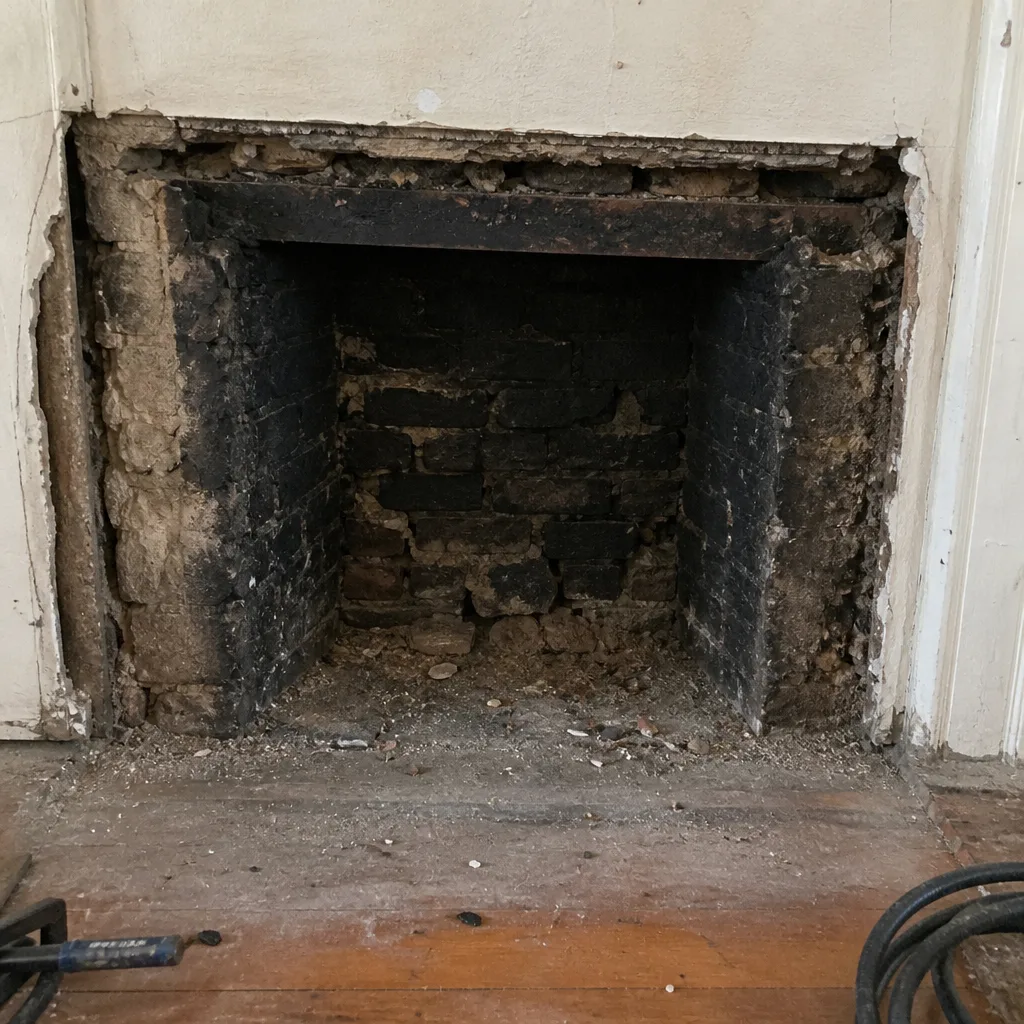
See the difference
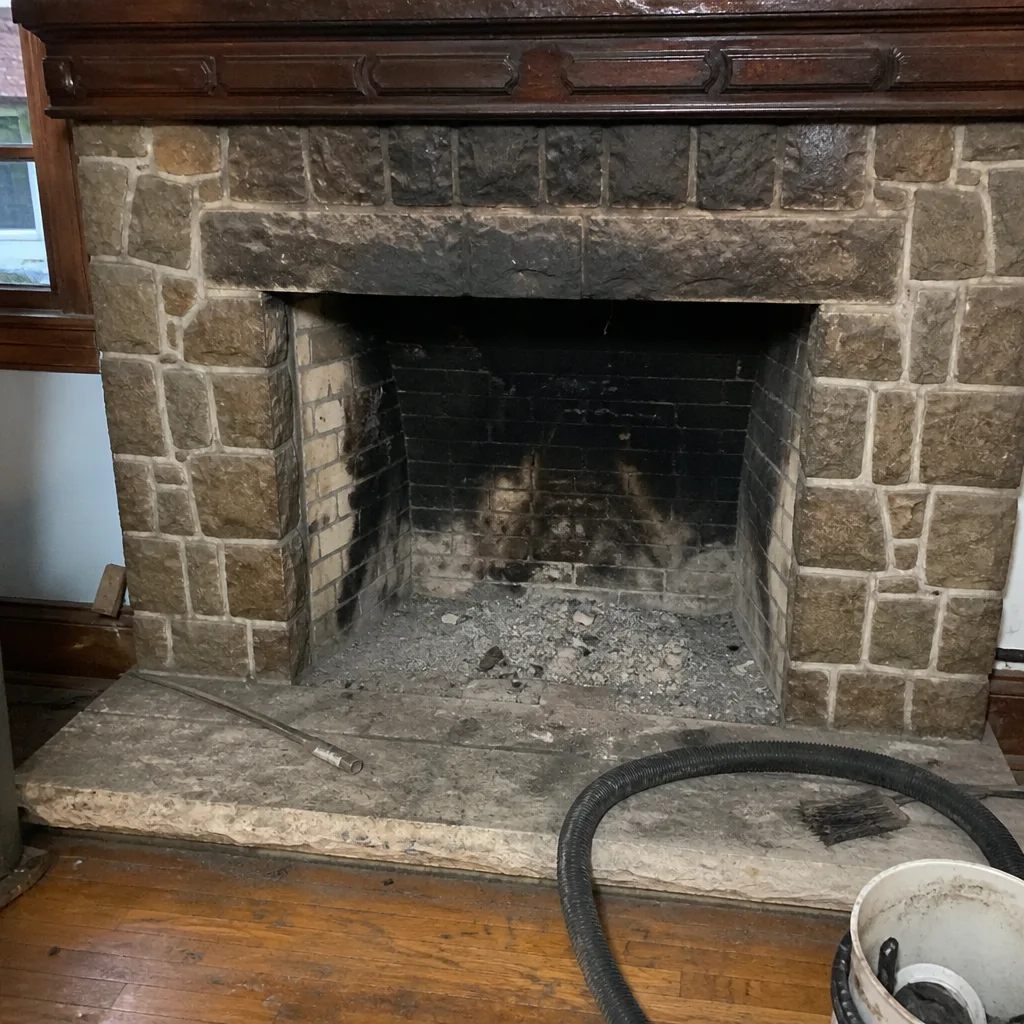 Before
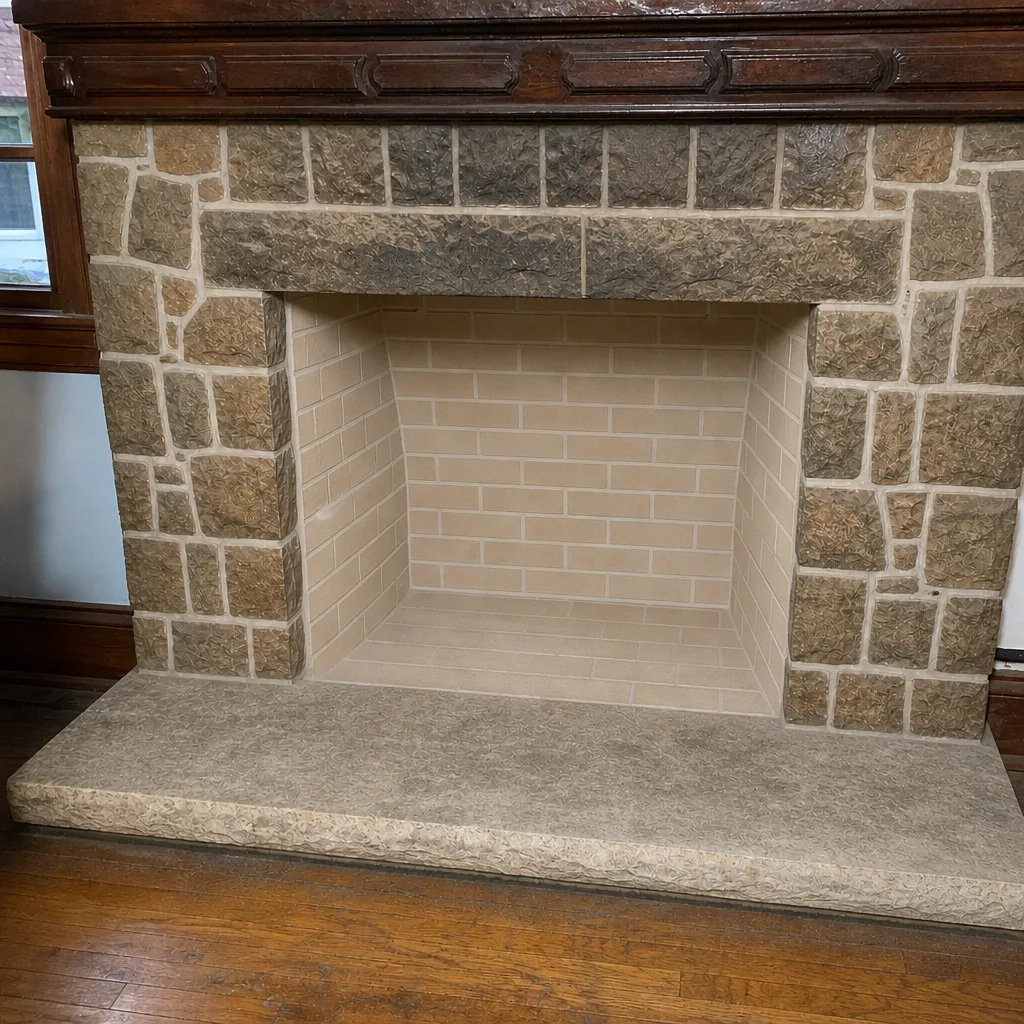 After
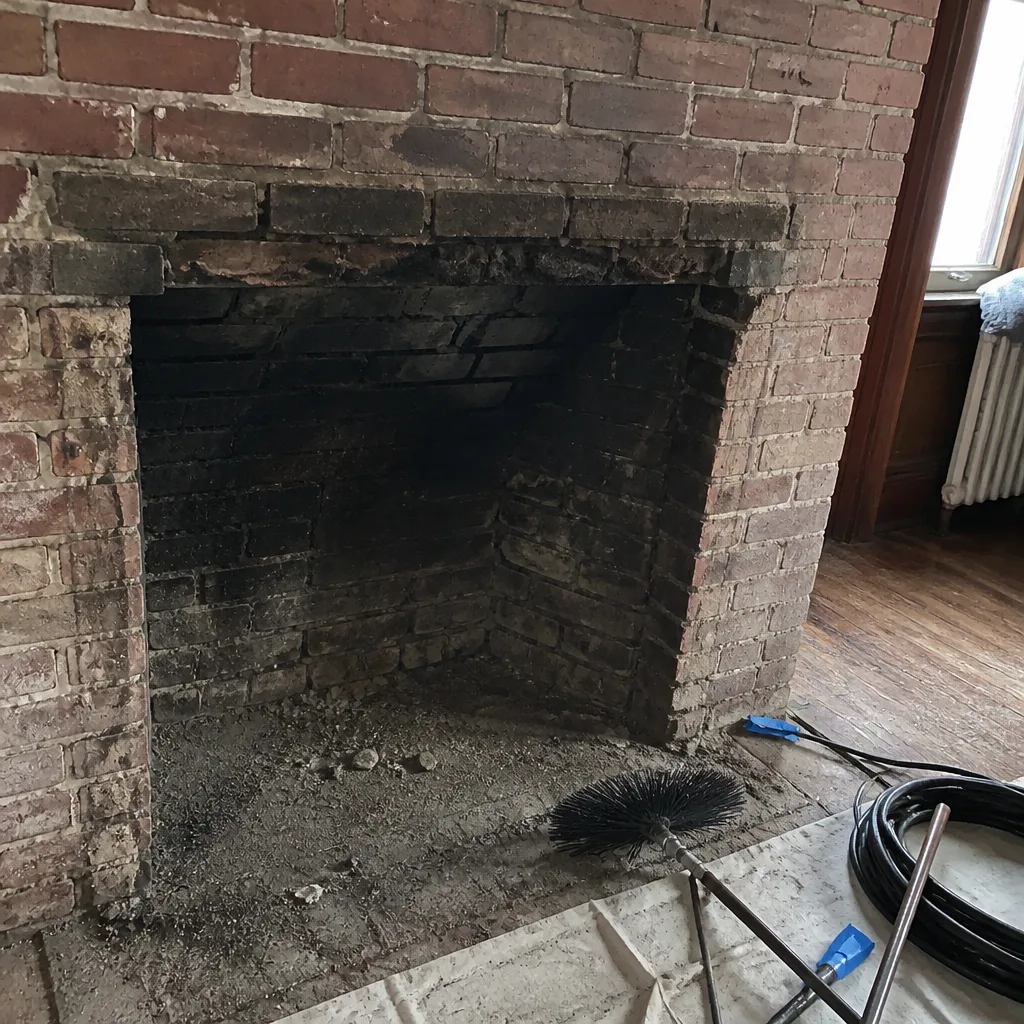 Before
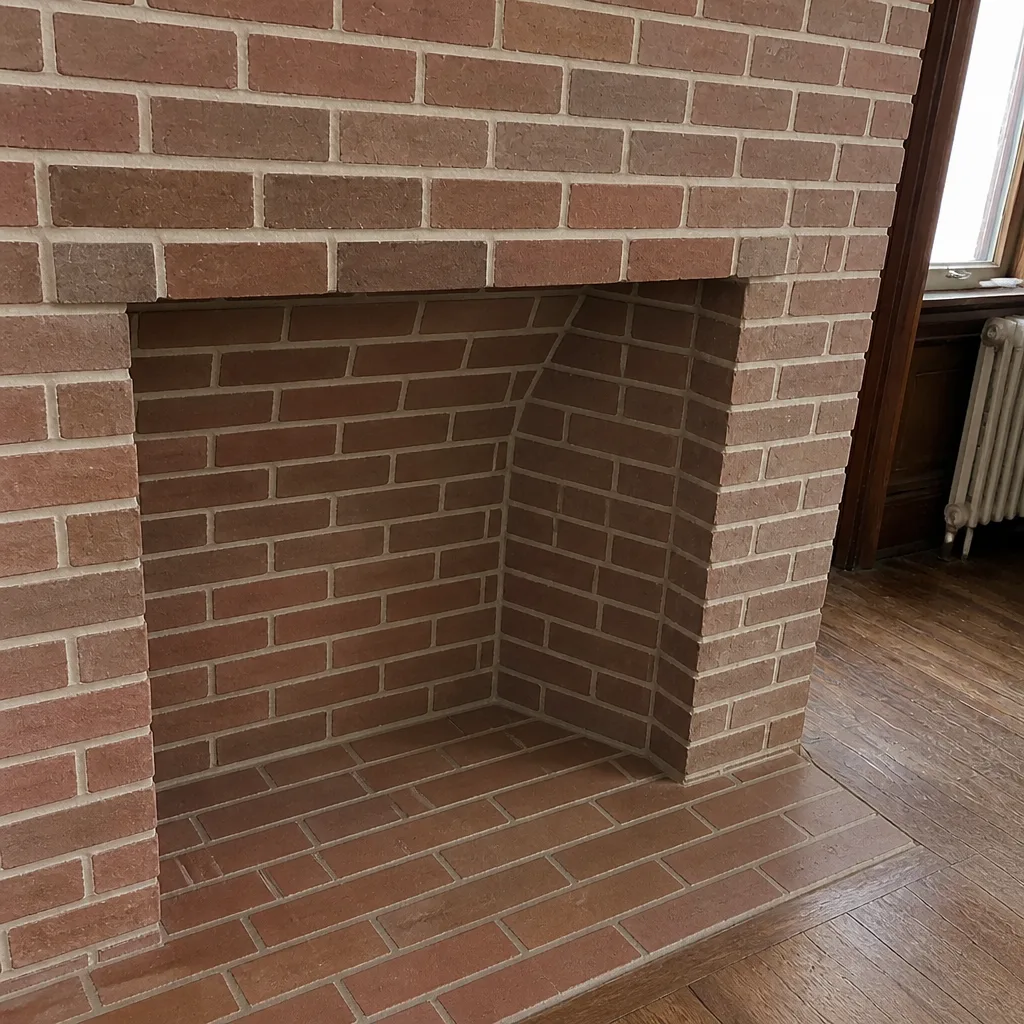 After
 Before
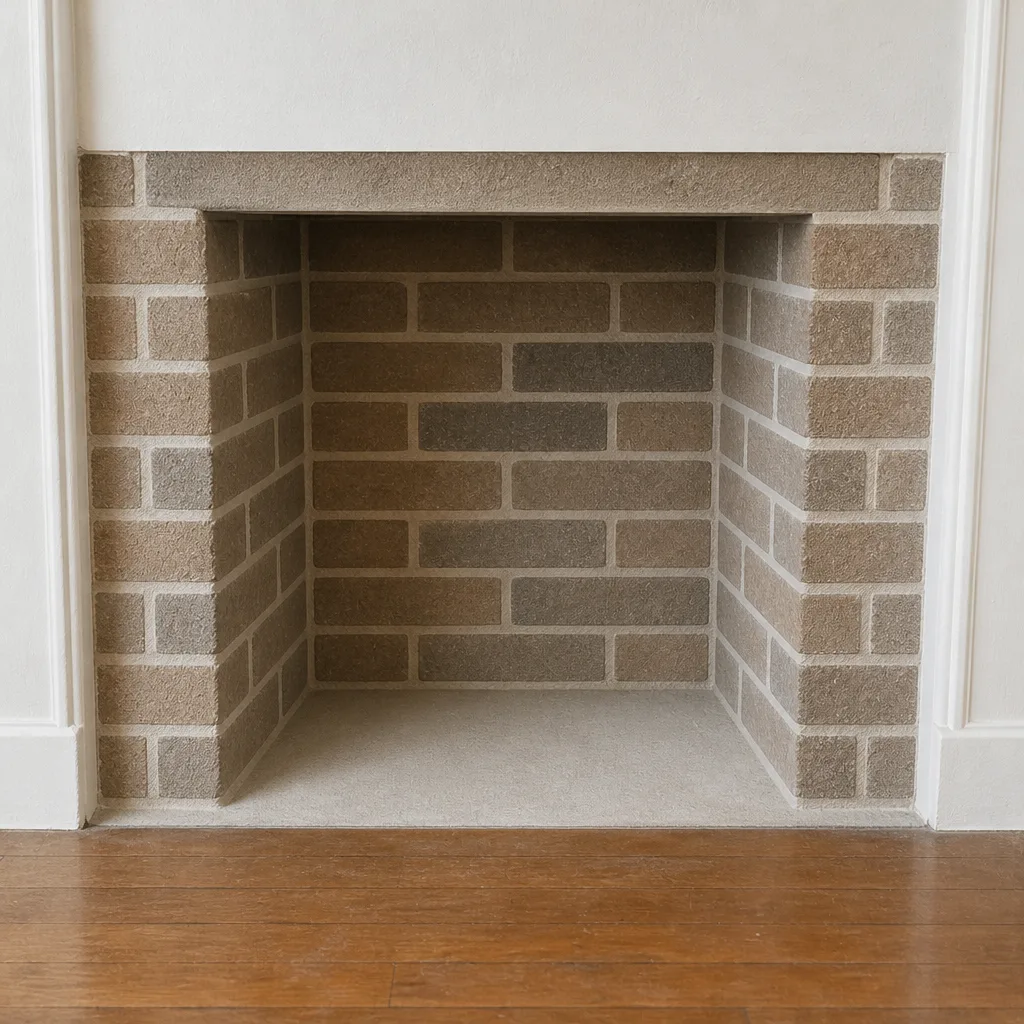 After
When to Call a Professional
Some things are worth a call regardless of where you sit on the calendar. If you can’t remember the last time the chimney was swept, that’s a call. If a fire ever produces smoke that backs into the room, or you smell a strong creosote odor when the fireplace is cold, that’s a call. If the cap is missing or the crown is cracked and water is getting in, that’s a call. And if you’ve hit the eighth-inch creosote threshold or burned through a cord, it’s time to book.
We offer free estimates in Bushwick, and we diagnose before we recommend. A chimney inspection comes first, so anything we suggest is based on what we can actually see in your flue. Call (855) 337-1157 for a free estimate. We answer 24/7. Fast dispatch from 7am to 7pm, Sunday through Friday.
Frequently Asked Questions
Chimneys should be inspected annually and swept whenever buildup reaches about an eighth of an inch of creosote. For a wood fireplace, that usually works out to once a year for a moderate burner and twice a year for someone burning two cords or more. Gas inserts rarely need a sweep but still need an annual inspection. Call (855) 337-1157 for an exact quote; estimates are free.
Gas fireplaces rarely need a traditional sweep because they produce very little creosote. They still need an annual inspection and cleaning of the burner, logs, and venting, because draft issues and debris can develop without the signs a wood fire shows. Book the inspection and let the technician confirm what, if anything, needs cleaning.
Skipping a sweep lets creosote build in stages until it glazes and hardens, which is harder to remove and can ignite inside the flue. It also gives moisture a place to sit against the flue lining through Bushwick’s dormant months. A clean flue dries faster and gives problems less chance to set. When in doubt, get it inspected before burning.
Spring is the safer default for a single annual sweep, because it clears buildup before the idle season and gives you the summer to address any masonry or crown problem. Fall works well for a pre-season snapshot and for heavy burners doing two sweeps. Many households do both. Book early either way; fall fills up fast in Bushwick.
Track your cordwood and your creosote buildup. If you’ve burned a cord or more, or you can see roughly an eighth of an inch of deposit in the flue, it’s time. You can also watch for smoke backing into the room, a weak draft, or a strong creosote smell when cold. Call (855) 337-1157 for an exact quote; estimates are free.
Cap and crown work is one of the five core services we handle, and it can typically be done by the same specialist crew that does the inspection, so there’s no handoff. The scope depends on what the inspection finds. From inspection to repair, handled by the same specialist crew. Call (855) 337-1157 to book.
The Bottom Line
A chimney maintenance schedule is an annual inspection plus a sweep keyed to your actual burn volume, not a single date circled on the calendar. Wood fireplaces sweep on the creosote threshold, gas inserts inspect annually, and oil appliances follow their service interval. Spring sweeps give you runway for repairs; fall sweeps give you a fresh look before the season. Keep a log, self-check the cap and crown from the ground, and leave the roof and flue to a professional. Done this way, the schedule protects your chimney from Chimney Sweep Bushwick and beyond for years.
If it’s time to book, our chimney sweep and inspection services are ready. Call (855) 337-1157 for a free estimate.
Written by the team at Chimney Sweep Bushwick.