
Last updated November 22, 2026
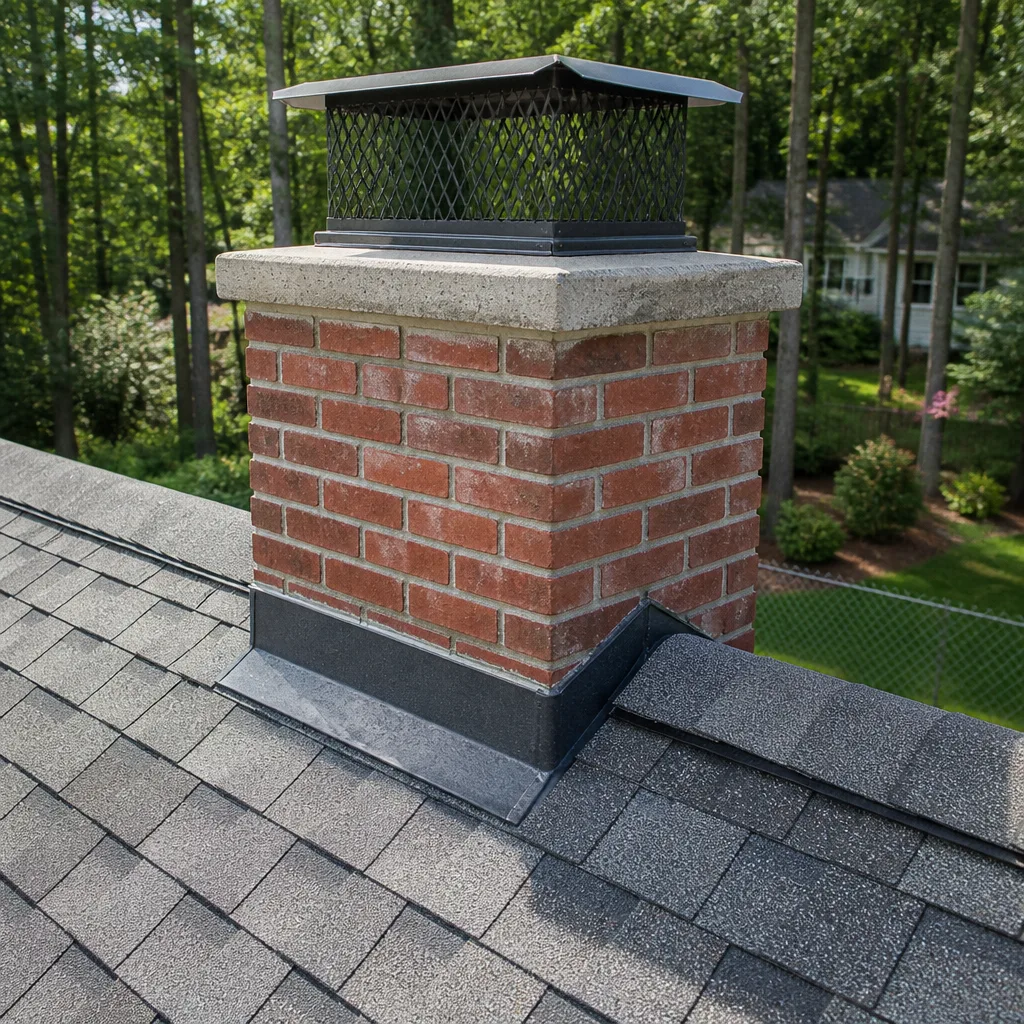 Sweep & inspection
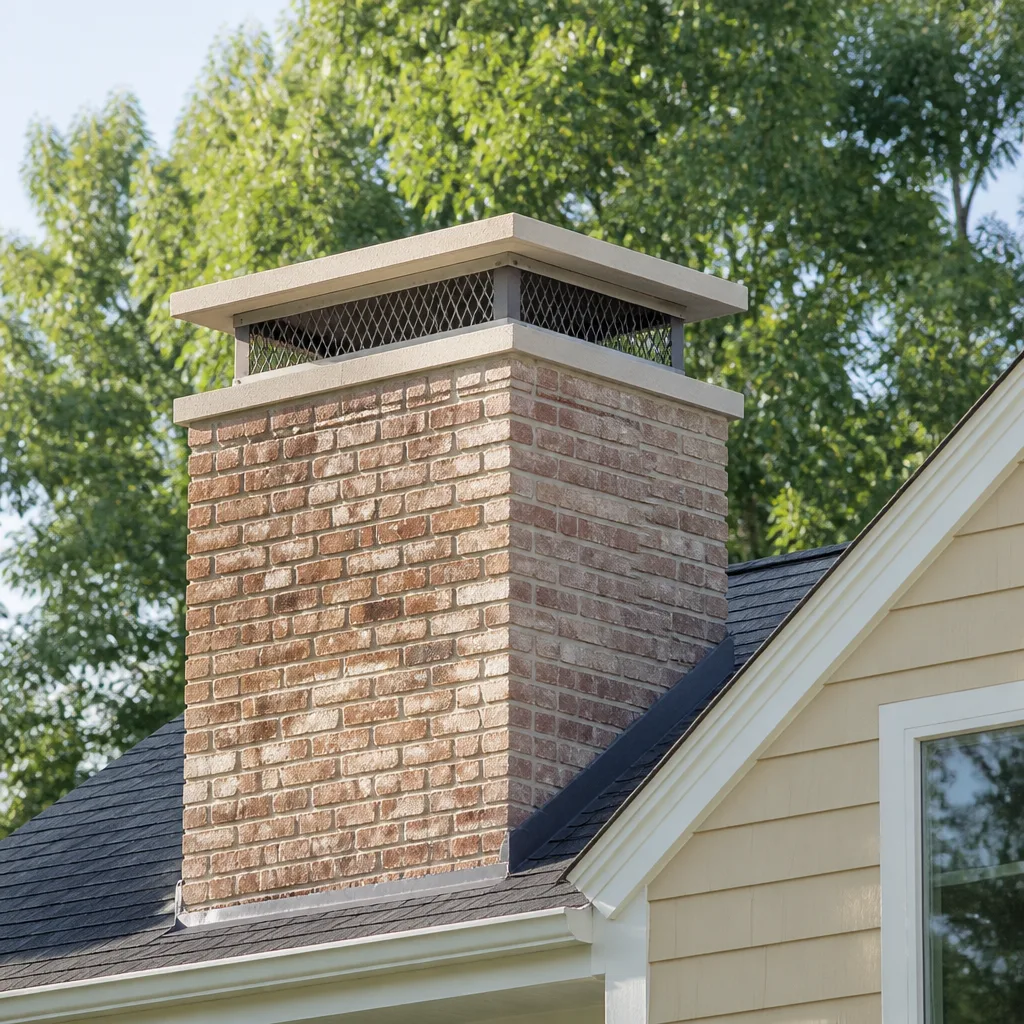 Caps & crowns
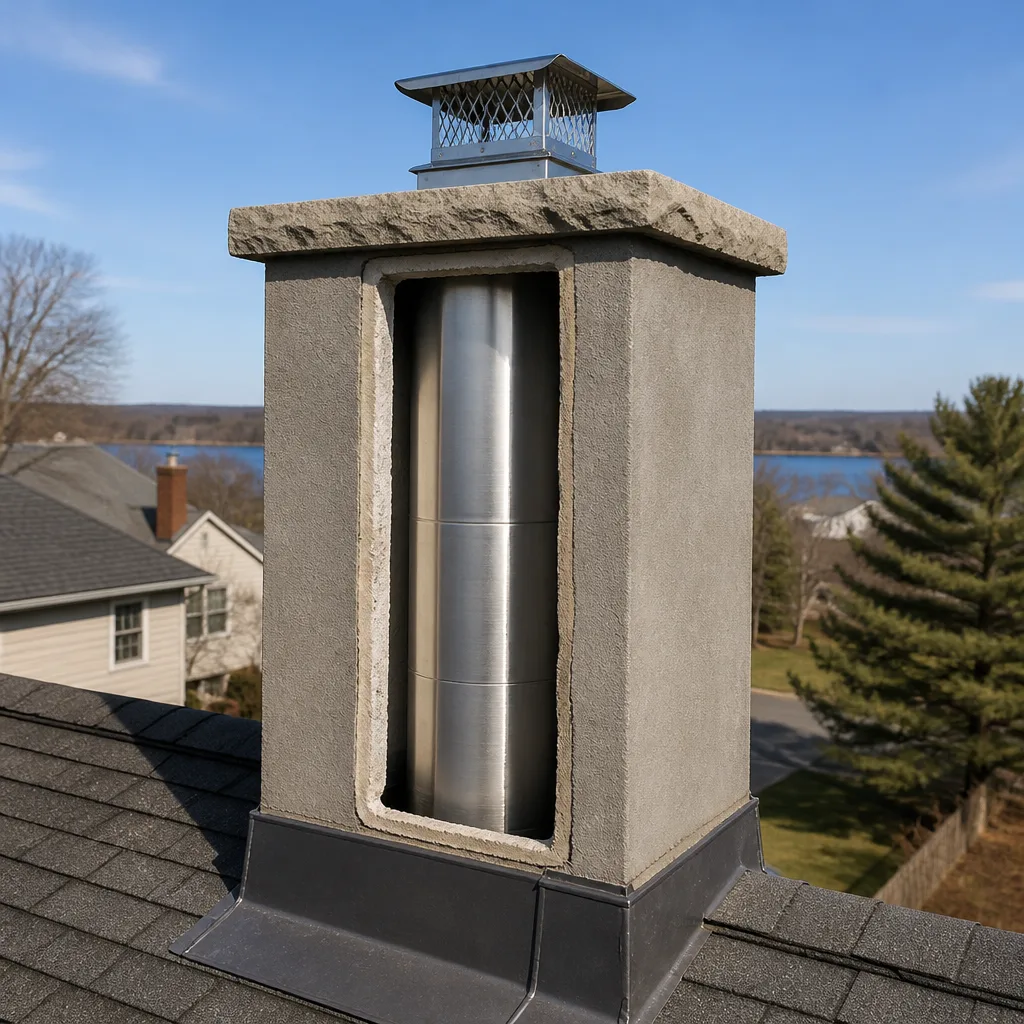 Flue relining
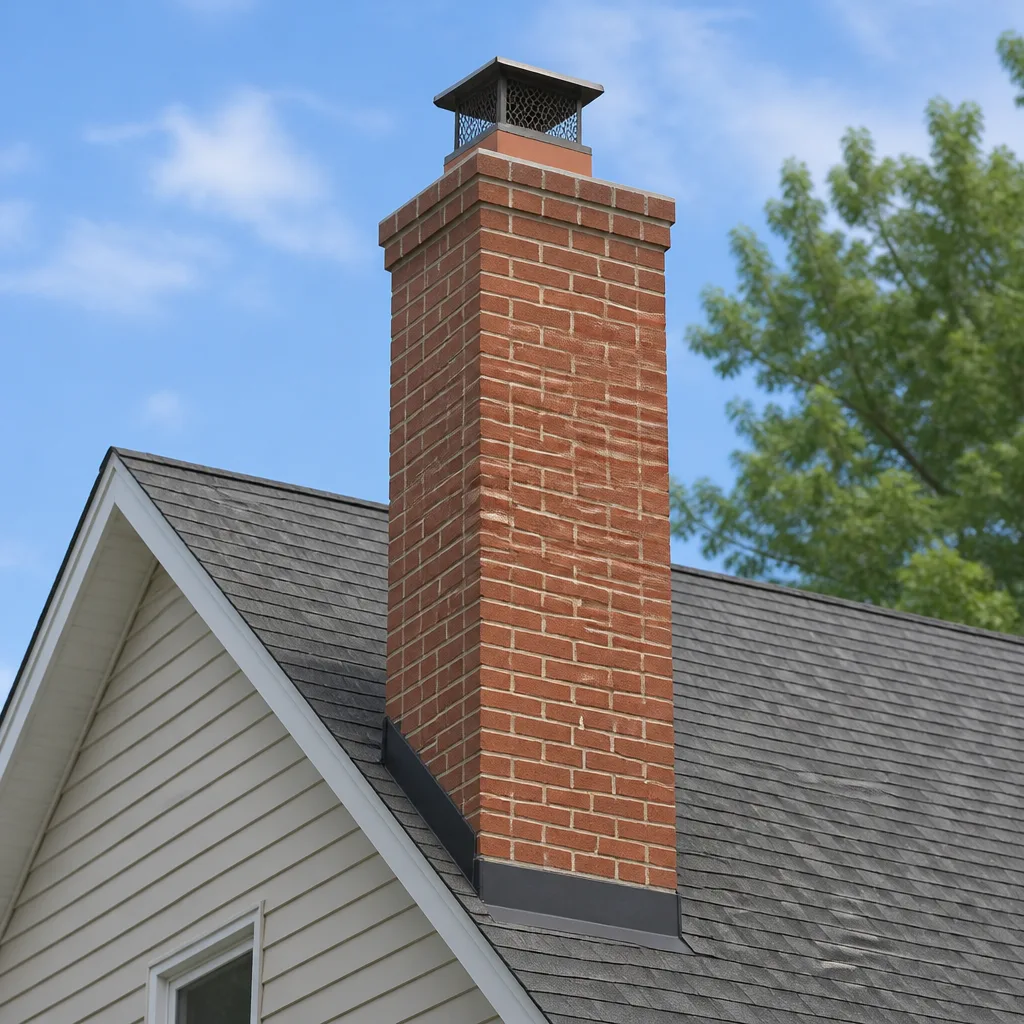 Masonry repair
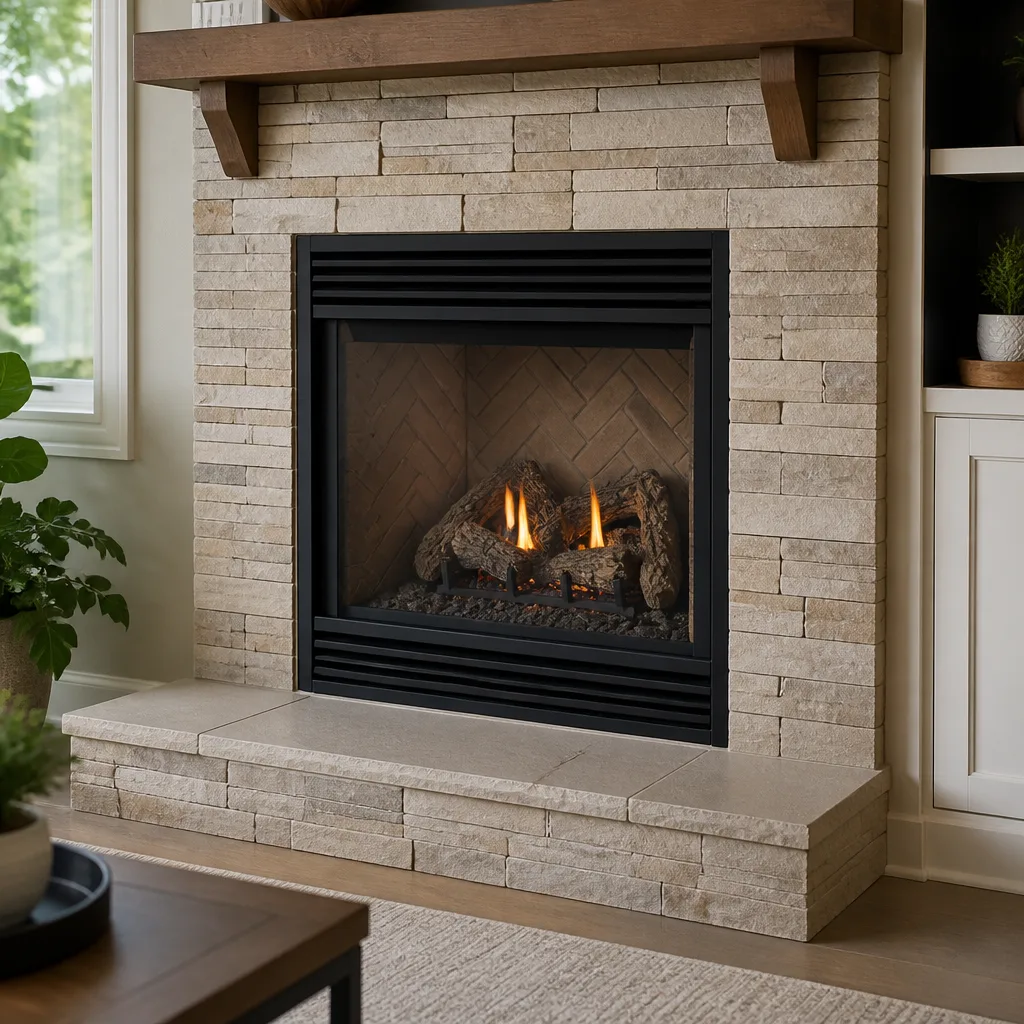 Gas fireplace service
Level 1 sweep and inspection to the NFPA 211 annual standard - flue, crown, cap, and flashing checked and photographed
Chimney sweep logs do not sweep chimneys. They loosen some creosote - which then falls where a brush and vacuum still have to collect it.
Choosing the Right Chimney Cleaning Brand: A Buyer’s Guide for Bushwick
Most homeowners judge a chimney contractor on price and personality. The real tell is quieter than that: ask which brand of liner system they plan to install, and watch what happens. Some technicians answer without hesitation. Others wave the question off as a technicality. That hesitation matters, because a liner from one manufacturer carries different temperature ratings, different warranty terms, and a different code-compliance profile than a liner from another. Those differences decide whether the installation is recognized when you need it most. In this guide, we walk through the brands that actually show up in professional chimney work, what each one is designed to do, and how to use that knowledge to vet a contractor in Bushwick before you ever sign an estimate.
Quick Answer
The “right” chimney cleaning brand depends on the job: HeatShield for restoring a cracked but structurally sound flue, a stainless flex liner system like DuraFlex for a flue that needs full relining, and pro-grade caps and dampers from Copperfield or Famco for long-term moisture control. A contractor who can name the brands they use, explain why they chose one over another, and match the product to your flue’s actual condition is a contractor you can trust. One who can’t is a contractor worth reconsidering.
Styles & brands we work with
- Sweep & inspection
- Caps & crowns
- Flue relining
- Masonry repair
- Gas fireplace service
Table of Contents
- Why Chimney Product Brands Matter More Than Most Homeowners Realize
- Liner Systems: HeatShield Resurfacing vs. Stainless Flex Liners
- Creosote Removal Chemicals: What They Actually Do
- Sealants and Waterproofing: Chemistry That Survives the Freeze-Thaw Cycle
- Caps and Dampers: Material Choice That Decides Longevity
- Using Brand Knowledge as a Vetting Tool
- Matching the Brand to the Job: A Step-by-Step Approach
- What the Bushwick Climate Asks of Your Chimney System
Why Chimney Product Brands Matter More Than Most Homeowners Realize
A chimney is not one component. It’s a system: flue, liner, crown, cap, firebox, damper, and the masonry shell that ties everything together. Each part of that system comes from a manufacturer, and each manufacturer engineers its product to a specific set of standards. The brand name on the box is shorthand for the specs inside it.
That’s the practical reason brand matters. A stainless flex liner rated for one flue temperature is not interchangeable with a liner rated for another. A cap that meets code in one configuration may not in another. A water repellent formulated for masonry will fail differently on a brick crown than on a concrete one. When a chimney tech proposes a solution, they’re proposing a specific product from a specific maker, and the specs of that product determine whether the job works. From inspection to repair, handled by the same specialist crew, and that crew should be able to tell you exactly what brand they’re proposing and why.
Three things brand tells you about a contractor:
- Whether they’re a specialist or a generalist. A handyman can buy a chimney cap at a hardware store. A chimney specialist works with industry-vetted brands like HeatShield, DuraFlex, Copperfield, Famco, and Olympia Chimney because those are the products designed for professional chimney work.
- Whether they’re an authorized installer. Many liner and cap manufacturers require installers to meet specific criteria before they can offer the product with a warranty. Asking about authorization is a legitimate question.
- Whether they can match product to problem. If the only tool in the toolbox is a stainless liner, every flue problem looks like a reline. If the toolbox includes HeatShield ceramic resurfacing, the contractor can restore a flue that doesn’t need a full tear-out.
In Bushwick, where the housing stock ranges from pre-war row houses to mid-century conversions, that flexibility matters. A flue on one block may need one answer and a flue on the next block another. Professional-grade materials, not off-the-shelf substitutes, are what make the difference.
Liner Systems: HeatShield Resurfacing vs. Stainless Flex Liners
The liner is the inside surface of your flue: the part that contains combustion gases and keeps them moving up and out. When a liner fails, you have two broad repair paths. One restores the existing flue surface. The other installs a new liner inside the old one. Both are legitimate. Choosing between them is where brand knowledge starts to matter.
HeatShield Ceramic Resurfacing
HeatShield is a resurfacing system. It’s applied to the interior of a masonry flue to rebuild the integrity of the clay tile surface without removing the chimney structure. The result is a smooth, sealed flue that meets performance requirements without the cost and invasiveness of a full reline. It works when the flue’s structure is basically sound, the tile has cracks or spalling, and the size of the flue can accommodate the resurfaced dimension. It does not work when the flue is heavily damaged, badly offset, or too small. A contractor who offers HeatShield as one option among several is telling you they can diagnose which repair path is actually right. A contractor who only offers stainless liners, no matter what the flue looks like, is telling you something else.
Stainless Flex Liner Systems
A stainless flex liner is a continuous metal tube pulled through the existing flue. DuraFlex and Olympia Chimney are two brands we work with. Both make flexible stainless systems designed for retrofitting into existing masonry chimneys, and both come in grades and wall thicknesses matched to the fuel type and the flue’s configuration. The advantages are real: the liner is continuous (no joints to leak), the metal resists corrosion and heat, and the installation is minimally invasive compared to a rebuild.
What you need to know as a homeowner:
- The brand and grade of the liner should appear on the written estimate.
- The liner must be sized correctly for the appliance, not just “close enough.”
- Insulation around the liner matters in cold climates, and it should be specified.
- The manufacturer warranty typically depends on authorized installation.
We diagnose before we recommend: inspection first, always. The choice between a HeatShield resurfacing and a stainless DuraFlex liner is not a preference. It’s a conclusion drawn from what the camera shows.
Creosote Removal Chemicals: What They Actually Do
Creosote is the tar-like residue that forms when wood burns and the smoke cools before it exits the flue. It builds up in stages: light soot, then a flaky crust, then a hardened glaze that’s difficult to remove. Different chemical products are formulated for different stages, and using the wrong one for your situation is a waste at best and a problem at worst.
Three product families come up regularly in professional chimney work:
- Rutland creosote removers. Rutland makes a range of creosote treatments, including powders and liquids designed to break down early-stage deposits over repeated burns. These are preventive and maintenance-oriented, not a solution for heavy glaze.
- Anti-Creo-Soot. A liquid additive burned with the firewood to convert creosote and reduce new deposit formation. Useful as part of an ongoing maintenance routine. Not a substitute for mechanical sweeping.
- CSL (Creosote Sweeping Logs). A consumer product intended for light maintenance between professional sweeps. If creosote has already reached the glazed stage, a sweeping log will not solve it.
Here’s the part most homeowners don’t hear: no chemical product replaces a mechanical sweep. Chemicals condition the flue or reduce new buildup. They don’t remove the dense, hardened creosote that can ignite. If a contractor proposes to “treat” a heavily glazed flue without sweeping it, ask for their reasoning. From an inspection camera, glaze is visible and measurable; treatment should follow what the camera shows.
If you haven’t had a chimney sweep in a while, a proper inspection will tell you which creosote stage you’re at, and that determines whether chemical treatment is even worth considering.
Sealants and Waterproofing: Chemistry That Survives the Freeze-Thaw Cycle
Water is the leading cause of long-term chimney deterioration. Not fire, not age: water. It gets into the masonry through the porous brick and mortar, freezes, expands, and slowly forces the masonry apart. In Bushwick, where winters swing repeatedly above and below freezing, that cycle runs multiple times a season. Each freeze-thaw event does damage a milder climate would spare you.
That makes waterproofing one of the highest-value chimney services, and the chemistry of the product you use matters:
- Siloxane-penetrating repellents (e.g., ChimneySaver). These soak into the masonry and chemically bond to the substrate, forming a water-repellent layer inside the brick pores. They leave the surface breathable: moisture from inside the chimney can still escape as vapor. The result is durable protection that typically lasts years, not months.
- Generic masonry sealers (film-forming). These coat the surface with a polymer film. They look uniform on day one, but the film traps interior moisture. When that moisture tries to escape, it pushes off the sealer, or worse, spalls the brick face underneath. On a masonry chimney in a freeze-thaw climate, a film-forming sealer can accelerate the very damage it’s meant to prevent.
If a contractor offers “chimney waterproofing” without specifying the product, ask. The right answer names a siloxane-based product. The wrong answer is vague. Copperfield and Olympia Chimney both produce pro-grade waterproofing systems that sit in the same professional tier as the liners we discussed above.
Caps and Dampers: Material Choice That Decides Longevity
The chimney cap is the small roof over the top of your chimney. It keeps rain out, keeps animals out, and sparks in. The damper is the valve inside the flue that you open when the fire’s going and close when it isn’t. Both are small, unglamorous parts. Both are where cheap products get installed and quietly fail in a few years.
Chimney Caps
A standard galvanized cap is zinc-coated steel. It resists moisture when new, but the coating wears through, and once a rust spot opens, the cap can degrade within a season or two. Copperfield and Famco both make caps in heavier-gauge stainless and copper designed for decades, not years. The difference is not cosmetic. A failing cap lets water into the flue, and water into the flue is the beginning of every structural problem in this guide. If you’re already researching chimney cap & crown replacement, ask what metal the cap is made from and how it’s attached, not just what it looks like from the ground.
Top-Mount Dampers
A standard throat damper sits at the top of the firebox and seals when closed. It works. A top-mount damper, like the Lyemance line that Copperfield produces, installs at the top of the chimney and seals the entire flue from above. Advantages: it’s out of the firebox (no rusting from firebox humidity), it seals tighter because there’s less mechanical wear, and it can be opened before the fire starts to let cold air out. The trade-off is that it needs a good cap integration and correct installation. Material longevity in the NYC area depends heavily on the metal quality, and stainless top-mount dampers outlast galvanized ones consistently.
Using Brand Knowledge as a Vetting Tool
The most useful thing this guide gives you is a small set of questions. Ask each prospective contractor the same way, and compare their answers. A good contractor welcomes the questions. A shaky one gets defensive.
- “What brand of liner system do you install, and why that one?” Correct answer names a brand (DuraFlex, Olympia Chimney, or similar), explains the grade, and links the choice to your flue’s condition.
- “Are you authorized to install that brand?” Manufacturer authorization affects warranty coverage. Ask for confirmation in writing.
- “If my flue doesn’t need a liner, what’s the alternative?” Listen for HeatShield, or for a clear explanation of why no repair is needed yet.
- “What product will you use for waterproofing?” The right answer is a siloxane-based repellent, not “a sealer.”
- “Can I see the camera inspection before you recommend anything?” Yes is the only acceptable answer.
- “What’s the material spec for the cap or damper you’re proposing?” Stainless or copper, correct gauge, correct attachment. Not “the standard one.”
None of these questions require technical expertise to ask. You don’t need to know the grade numbers. You just need to see whether the contractor knows them. In our experience, the ones who do are the ones whose work lasts. From inspection to repair, handled by the same specialist crew, and that crew should be able to answer every one of these without checking a manual.
Matching the Brand to the Job: A Step-by-Step Approach
Different flue problems call for different products. Here’s the thinking process that a specialist contractor walks through. You don’t need to memorize it, but you’ll recognize it when you see a contractor using it.
- Inspect first. Camera inspection of the flue, from firebox to cap. Record the condition: cracks, spalling, offsets, creosote stage, water intrusion, crown condition.
- Diagnose the actual problem. Is the flue failing because of water, heat, or mechanical damage? Is the creosote at the soot stage, the flake stage, or the glaze stage? Does the firebox show damage that needs chimney repair before the flue gets addressed?
- Match the product. Structurally sound masonry flue with surface cracks: HeatShield is often the right call. Failed tile, wrong size, or no tile at all: DuraFlex or Olympia stainless liner. Crown damage with a sound flue: crown repair plus waterproofing.
- Specify the components. Correct liner grade, insulation, cap metal, damper type, siloxane waterproofing product. Every one of these belongs on the written estimate.
- Explain the recommendation with the inspection in front of the customer. No upsell, no surprises. The customer should be able to see the specific condition that triggered the recommendation.
If any of those steps is missing from a proposal, that’s your signal. The whole sequence, or none of it, is what makes a recommendation trustworthy.
What the Bushwick Climate Asks of Your Chimney System
Every chapter in this guide plays out differently depending on where you live. In Bushwick, three local factors affect chimney decisions.
Freeze-thaw cycling. The New York winter runs the temperature up and down the freezing line repeatedly. That’s the harshest condition for masonry. Waterproofing with a siloxane product is not a luxury here. It’s maintenance, and skipping it shortens the life of the crown and the brick shell. When you see spalling mortar joints on a Bushwick chimney, freeze-thaw has done the damage, and moisture defense is the fix.
Housing stock. Older row houses and conversions often have flues that were originally built for different appliances. Occasionally, appliances have been swapped over the years without the flue being re-sized. A camera inspection is the only reliable way to know what your flue was actually designed to handle.
Dense neighborhood wood burning. More fireplaces on a tighter footprint mean flue exhaust doesn’t dissipate as quickly. Draft can be affected by nearby taller structures, and creosote accumulates a bit faster when the fire burns cooler than it should. That makes sweeping frequency and damper quality more important in Bushwick than in a more open setting.
None of these are exotic conditions. They’re just the specific realities of this neighborhood, and a contractor who works in Bushwick regularly will recognize them immediately.
Common Mistakes to Avoid
- Accepting “we’ll use a standard liner” without a brand name. “Standard” means nothing. Every liner’s warranty and code compliance starts with the brand and grade, and if you don’t know which one, you can’t verify either.
- Choosing a film-forming sealer over a siloxane product. It looks fine in year one and traps moisture by year three. In a freeze-thaw climate, that’s the beginning of a masonry problem, not the prevention of one.
- Letting a contractor sweep without a camera inspection. A sweep in Bushwick without inspection is a cleaning without a diagnosis. You don’t know if the flue is safe, you only know it’s cleaner.
- Adding chemical creosote remover without knowing the creosote stage. If the deposit is already glazed, chemical treatment will not remove it. Mechanical sweep first, then treatment, then a recheck.
- Skipping waterproofing after a cap or crown repair. Fixing the cap or crown without addressing the masonry’s porosity leaves the same problem in place from a different angle.
- Arguing price before seeing the estimate spec. Compare quotes on the component list, not the bottom line. Two quotes at the same total can have very different liner grades inside them.
- Forgetting to ask about installer authorization. Some manufacturers only honor their warranty when the installer was authorized. A “much cheaper” liner from an unauthorized installer may be no cheaper at all once you’re paying for it out of pocket.
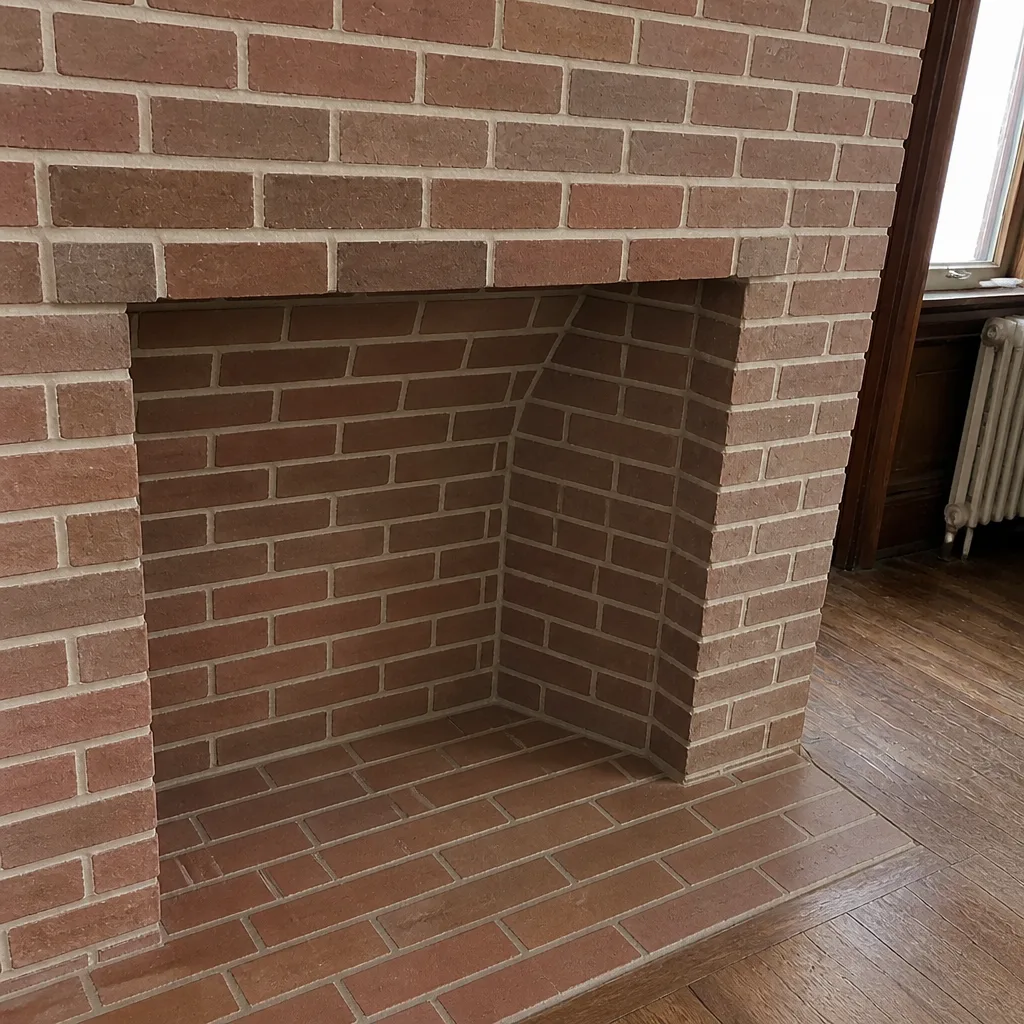
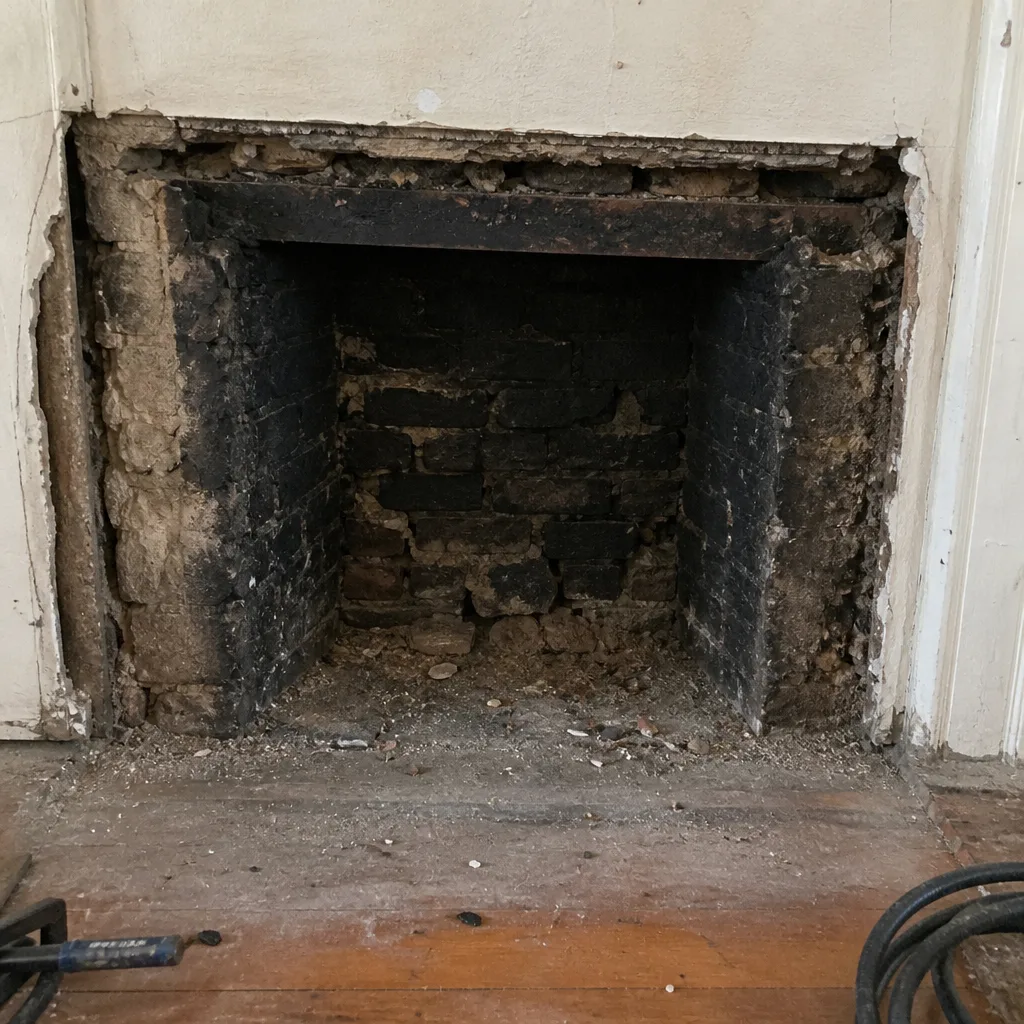
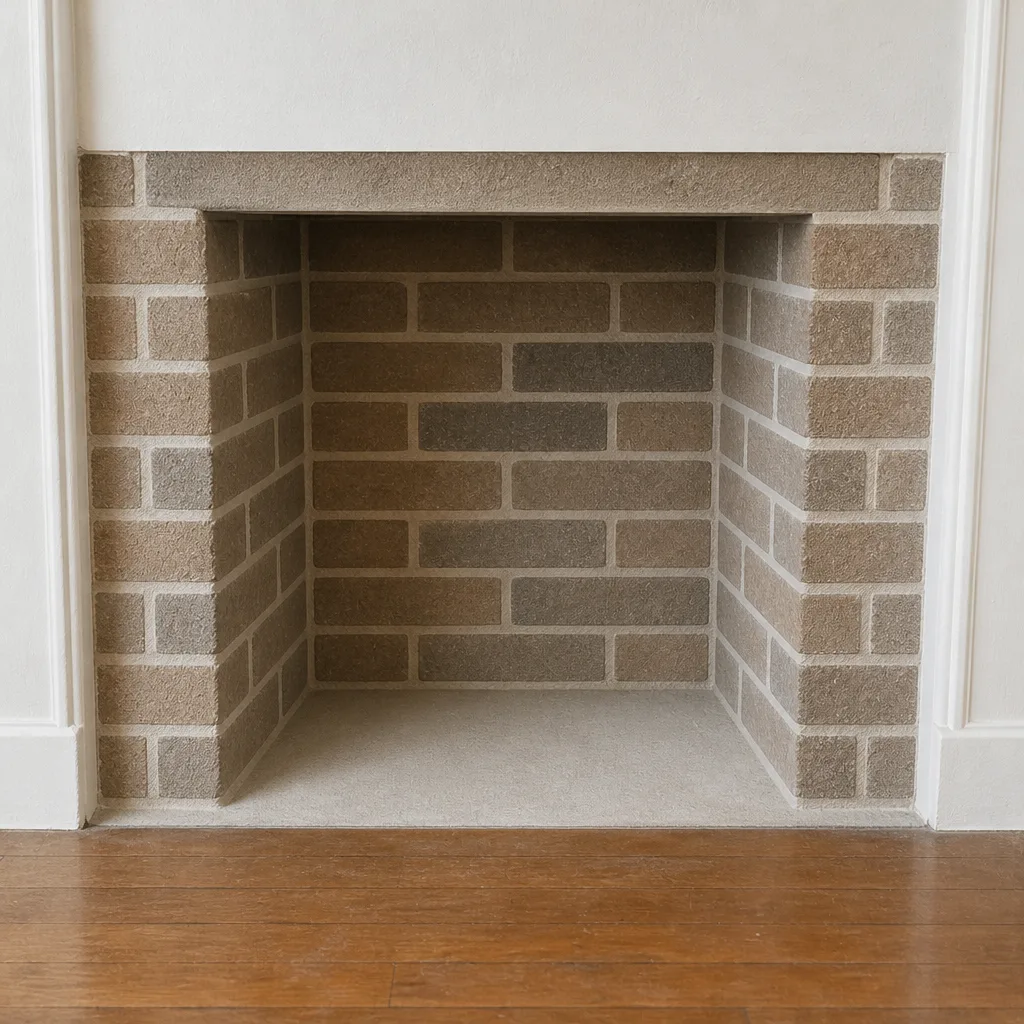
See the difference
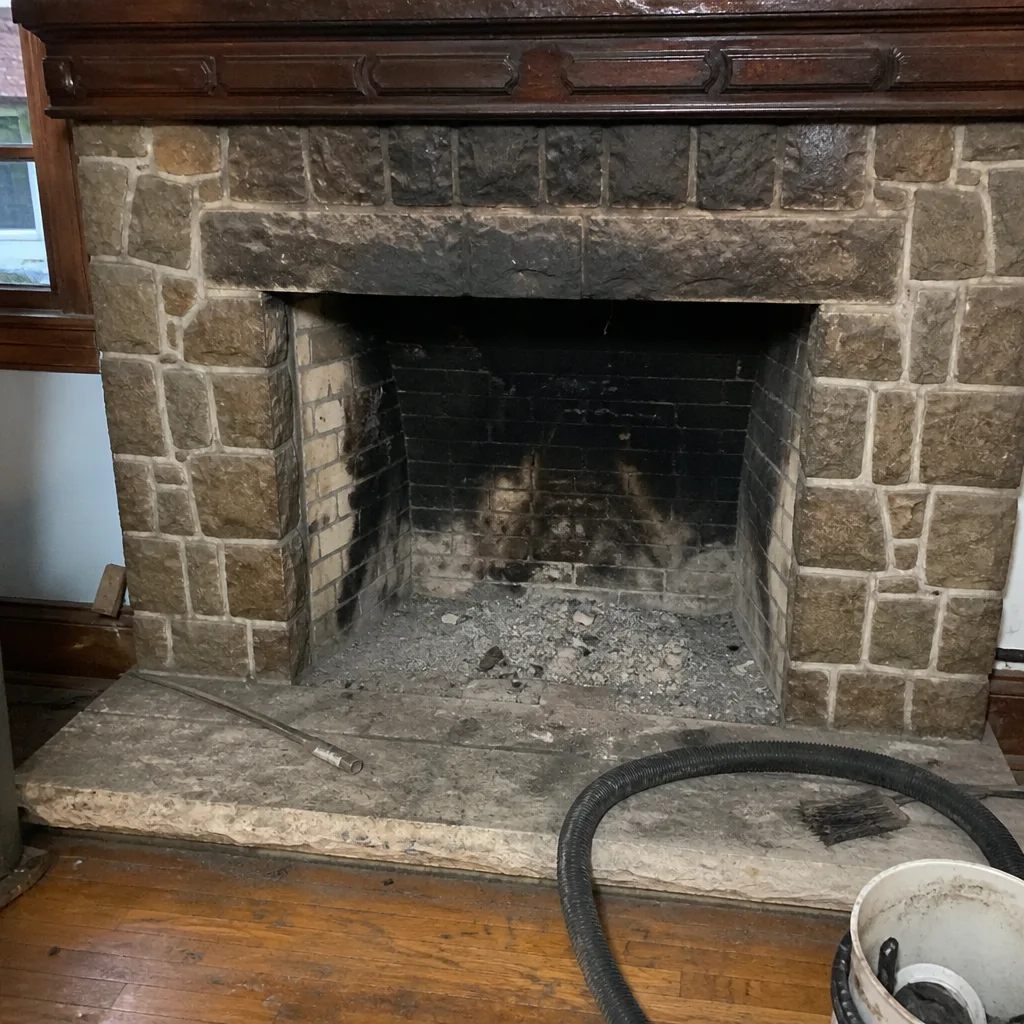 Before
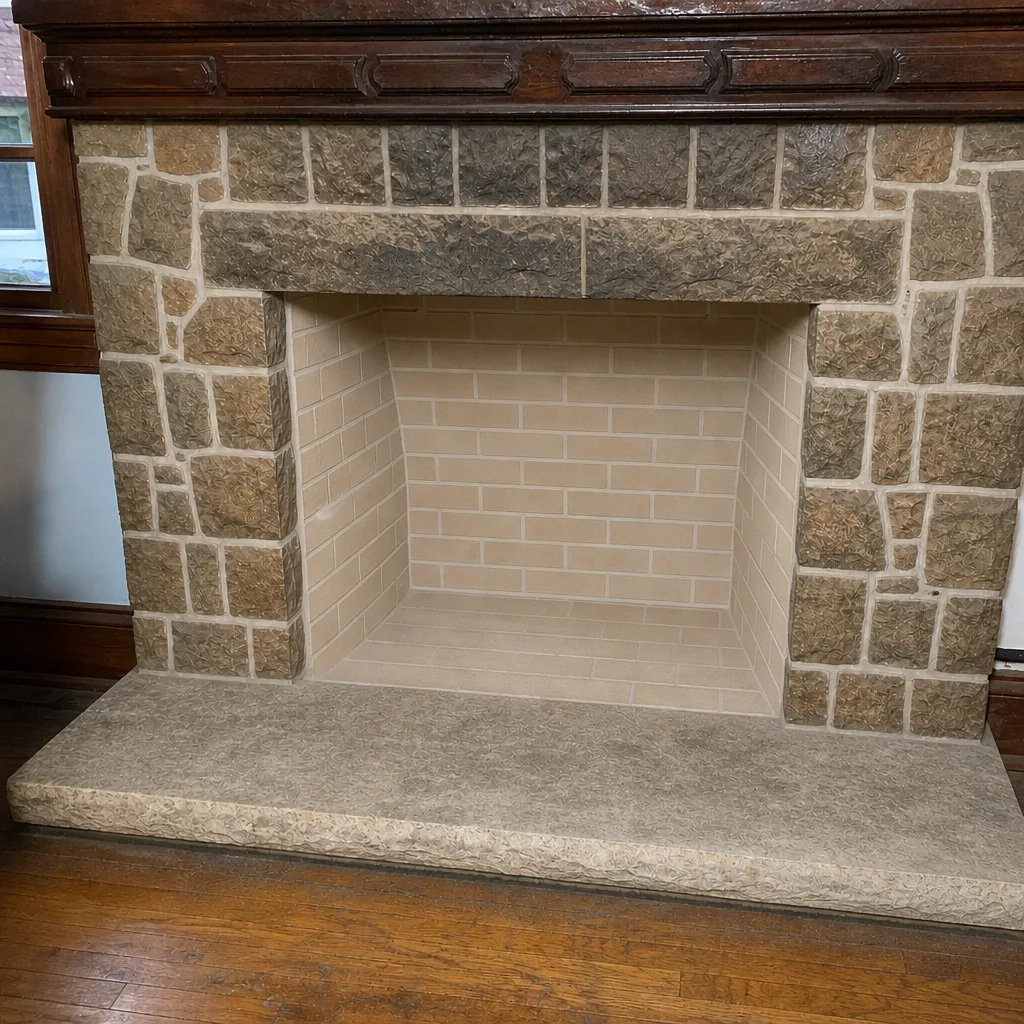 After
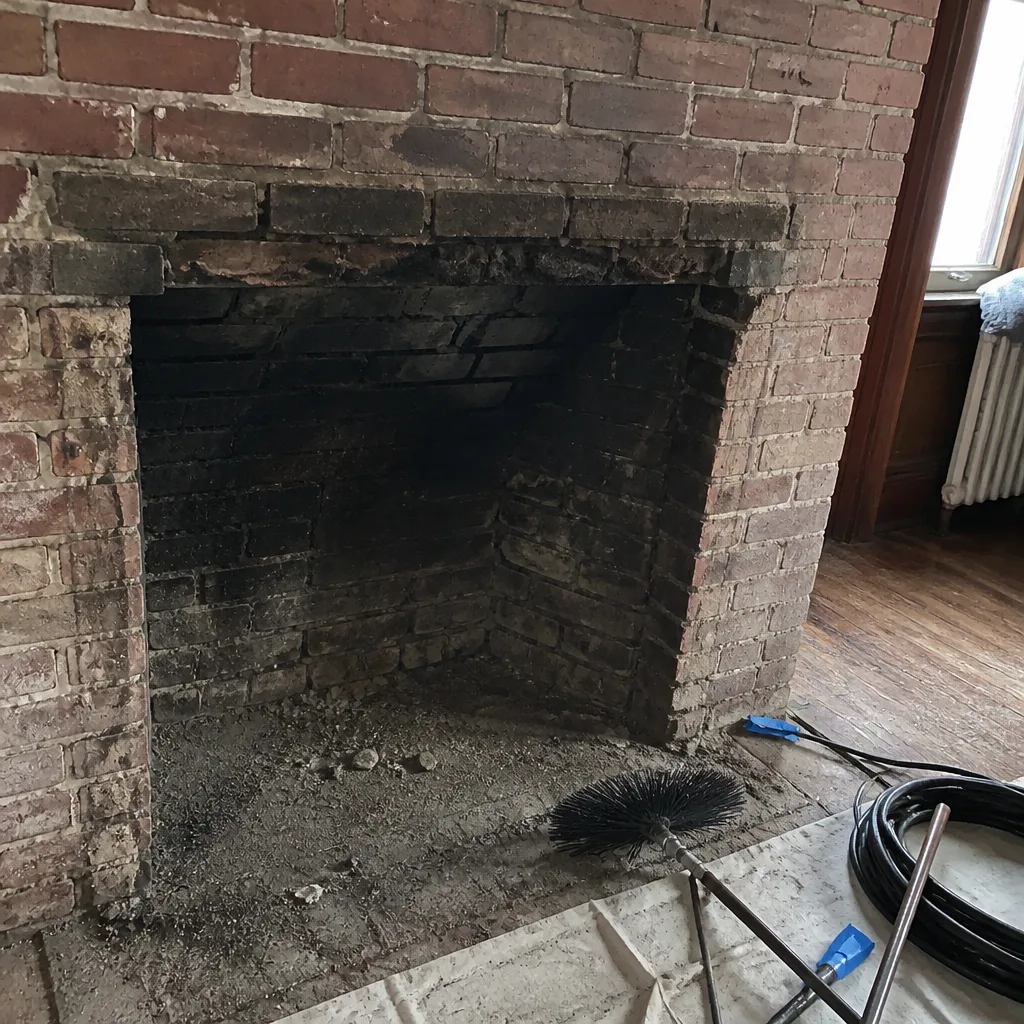 Before
 After
 Before
 After
When to Call a Professional
Chimney work sits at the intersection of fire, structural integrity, and ventilation, and the wrong decision at any of those three is expensive. Call a professional if you’ve noticed a strong creosote smell even when the fireplace is off, if there’s visible moisture staining on the interior or exterior of the chimney, if mortar joints are spalling or the crown has visible cracks, if the damper sticks or doesn’t seal, or if you’ve never had an inspection since buying the property. Call before you install any chemical creosote product on your own: the wrong stage is a wasted product at best and a hazard at worst. Call before any DIY attempt at cap or crown work, since a fall from a chimney top is the kind of injury no money saved justifies. If you’re unsure, an inspection is the smallest possible step. Chimney Sweep Bushwick offers free estimates in Bushwick, and our technicians have up to 10 years of experience working with the full range of professional-grade brands profiled in this guide. Call (855) 337-1157.
Frequently Asked Questions
Yes, because they decide the specs on the materials actually installed in your chimney. A liner from one brand carries specific temperature ratings, grade, wall thickness, and warranty terms; a liner from another carries a different set. When those specs don’t match your flue’s needs, the installation can fail inspection, fail warranty coverage, or fail in service. Brand names are a shortcut to those specs.
HeatShield resurfacing rebuilds a flue from the inside using a ceramic compound applied to the masonry tile; a DuraFlex liner installs a continuous stainless steel tube inside the existing flue. HeatShield suits a flue that’s structurally sound with surface cracks; a stainless liner suits a flue with failed tile, wrong sizing, or structural problems. A camera inspection tells you which one is the right specification for yours.
They serve different situations. A throat damper seals at the firebox; a top-mount damper (like the Lyemance line) seals at the chimney top and tends to last longer because it’s not exposed to firebox humidity. Material quality matters more than type, though; a stainless top-mount damper outlasts a galvanized one reliably. Talk with an inspector about which fits your fireplace setup.
ChimneySaver is siloxane-based: it penetrates the masonry and leaves the brick breathable, so interior moisture can escape while exterior water is repelled. Generic film-forming sealers trap moisture and fail faster in a freeze-thaw climate, which is exactly what Bushwick has in winter. For long-term masonry protection here, a penetrating product is the right call.
You need to know your creosote stage first, and the brand follows from that. Products like Rutland, Anti-Creo-Soot, and CSL are formulated for different stages and different purposes. Applying the wrong stage’s product is a wasted container, or worse, a false sense of safety. A camera inspection tells you where you actually stand; then the product makes sense.
Yes, and it’s one of the most useful comparisons you can make. Ask each contractor to write the brand, grade, and product name of every component on their estimate: liner, cap, damper, waterproofing. Quotes with the same bottom line and very different component lists are telling you very different stories. The written estimate sets the final price, and the written spec is what you compare.
The Bottom Line
The brand on the box is a proxy for the specs inside it, and the specs are what your chimney depends on. In Bushwick specifically, three things matter most: whether the contractor can distinguish a HeatShield resurfacing job from a DuraFlex reline, whether they use siloxane waterproofing for the freeze-thaw cycle, and whether they can name the metal and gauge of every cap and damper they install. Ask those questions of any contractor you consider. Compare the answers. The ones who can explain their reasoning with the camera inspection in hand are the ones whose work will hold up. Our technicians have up to 10 years of experience with the brands in this guide, we work with a full industry-vetted portfolio including HeatShield, DuraFlex, Copperfield, Famco, and Olympia Chimney, and we diagnose before we recommend, every time. Call (855) 337-1157 for a free estimate. We answer 24/7. Fast dispatch from 7am to 7pm, Sunday through Friday.
Written by the team at Chimney Sweep Bushwick.