
Last updated November 22, 2026
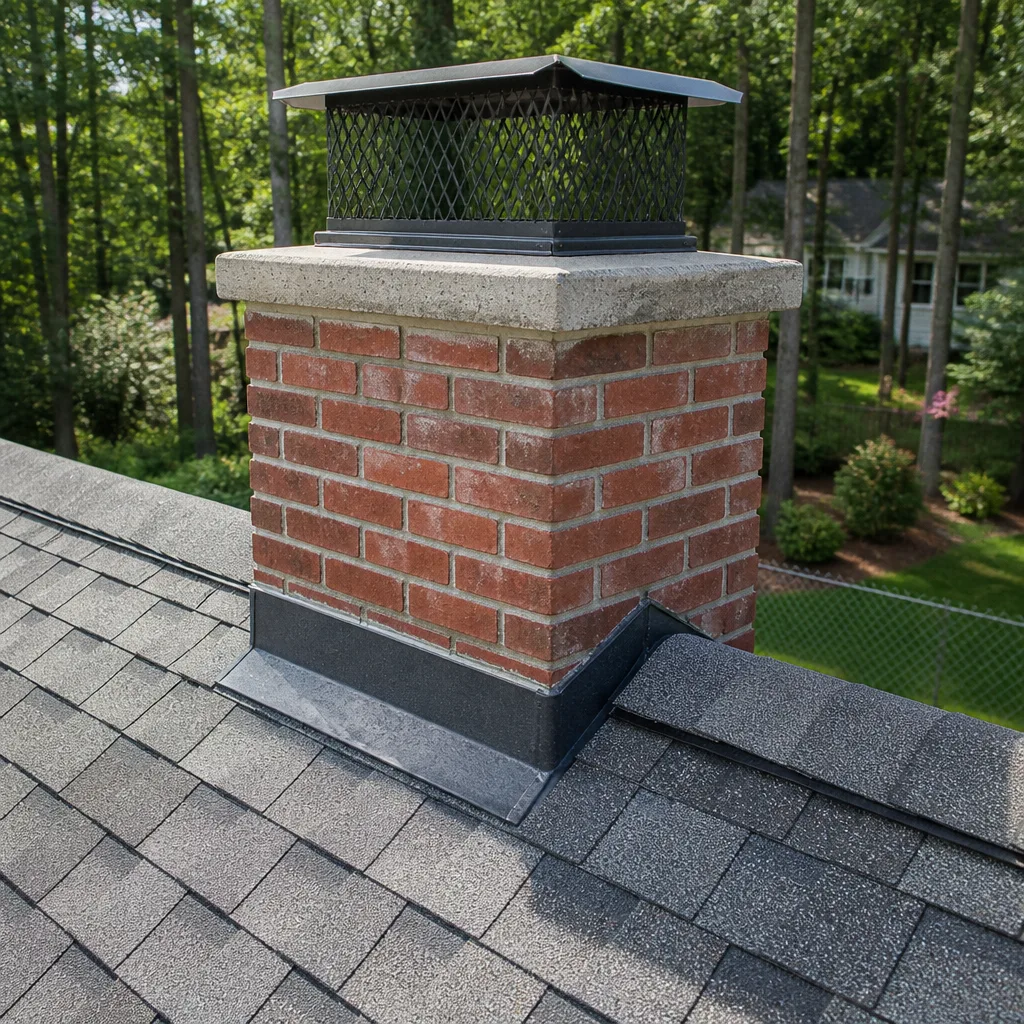 Sweep & inspection
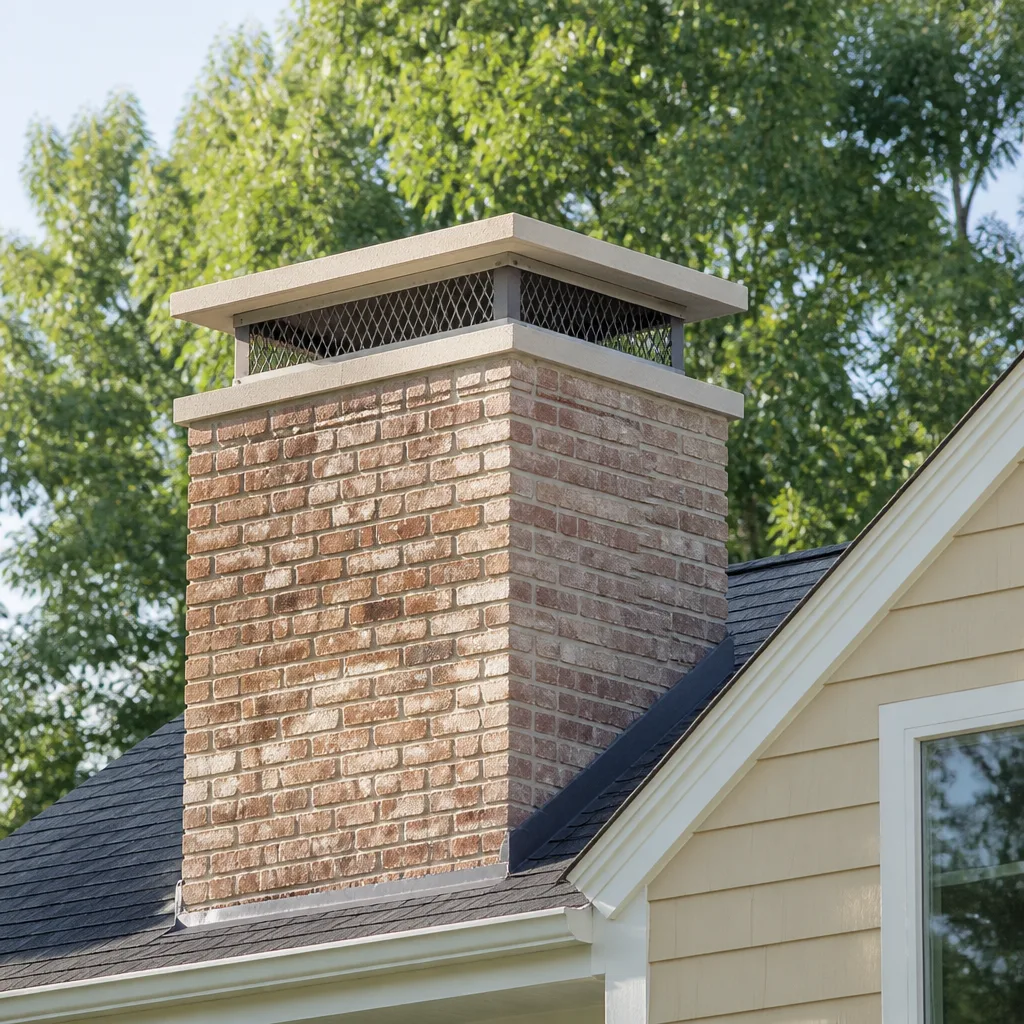 Caps & crowns
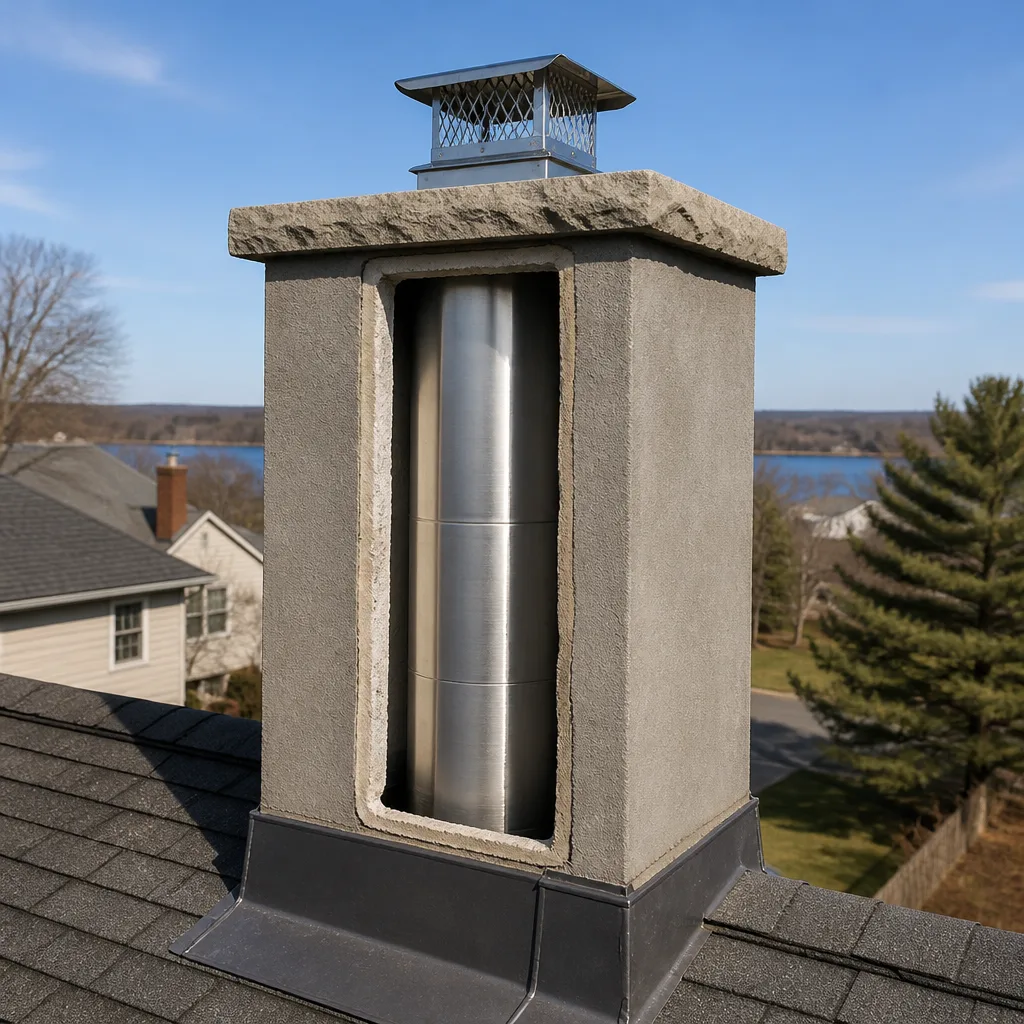 Flue relining
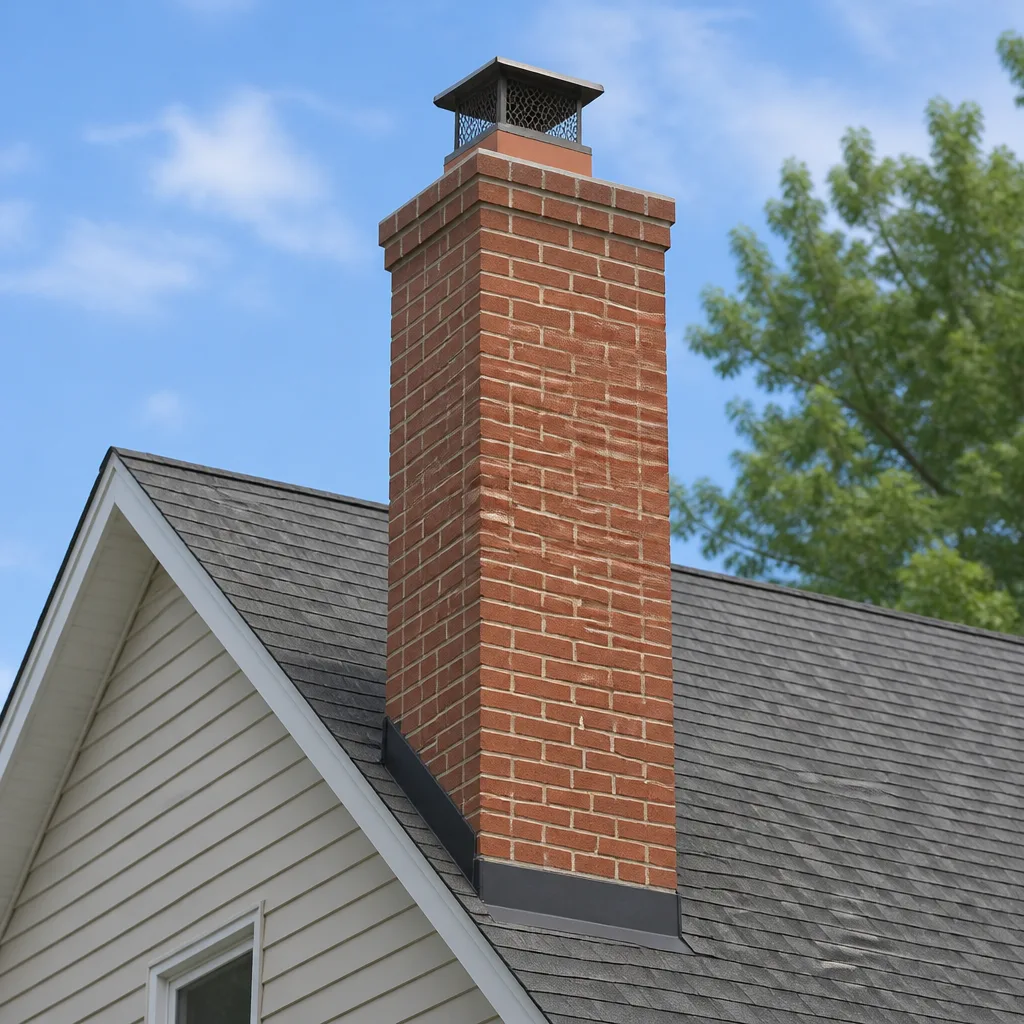 Masonry repair
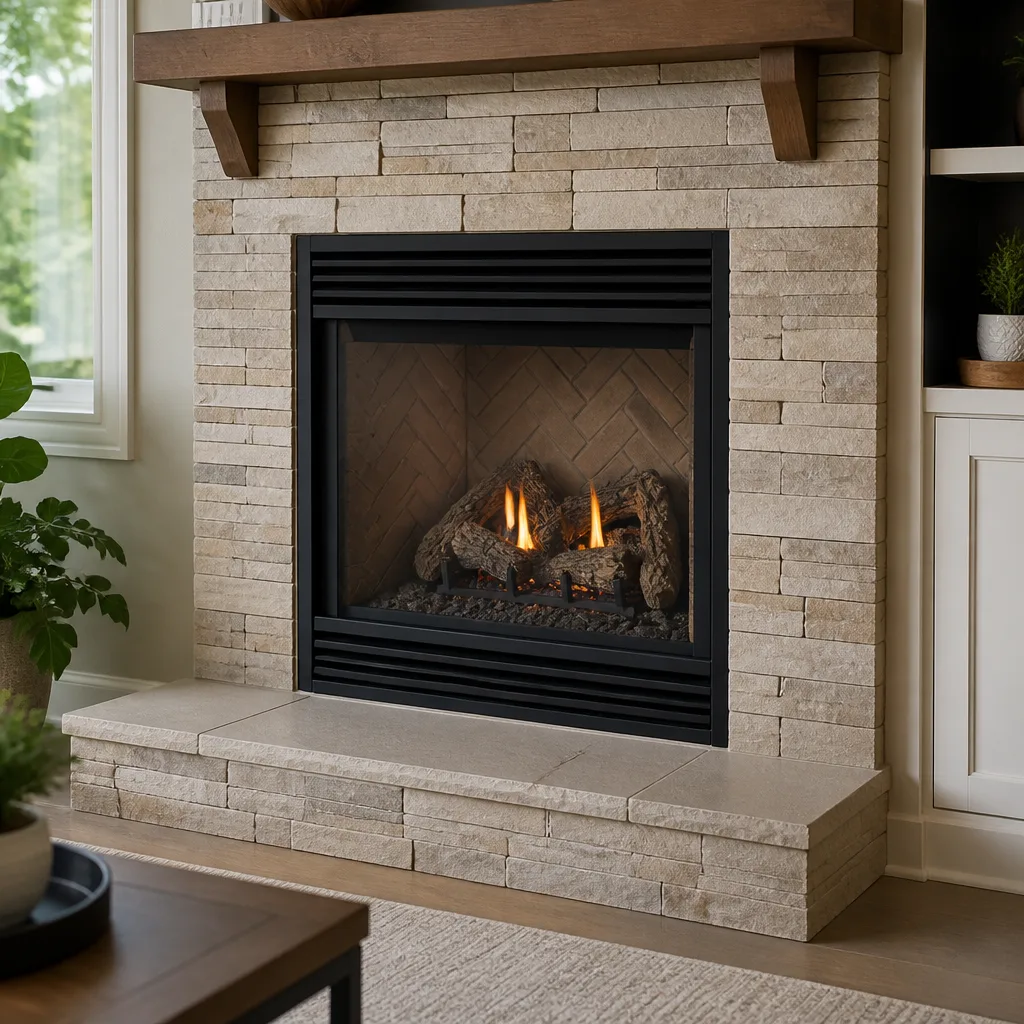 Gas fireplace service
Level 1 sweep and inspection to the NFPA 211 annual standard - flue, crown, cap, and flashing checked and photographed
Chimney sweep logs do not sweep chimneys. They loosen some creosote - which then falls where a brush and vacuum still have to collect it.
DIY vs Professional Chimney Cleaning: The Bushwick Homeowner’s Decision Guide
A chimney brush kit from a hardware store will remove loose Stage 1 creosote from a straight, accessible flue. That part is true. The trouble is that most Bushwick chimneys have at least one offset elbow somewhere in the run, and that single bend changes everything: a rigid brush pushed down an angled flue scrapes one wall of the clay tile and misses the other, and if the tile is already spalled or cracked, the brush can widen the damage. This guide walks through what DIY cleaning can genuinely accomplish, where it stops working in Bushwick rowhouses, what a professional toolkit actually contains, and the one narrow scenario where brushing your own flue makes sense. No sales pitch. Just a straight assessment.
Quick Answer
DIY chimney cleaning is only appropriate for a straight, liner-confirmed flue that has been professionally inspected recently, in a home burning less than half a cord of wood a year, and even then it replaces sweeping only, not annual inspection. For most Bushwick homeowners, professional cleaning is the safer and more effective choice because rowhouse chimneys typically contain offsets, unknown liner condition, and rooftops that are risky to access without proper fall protection.
Styles & brands we work with
- Sweep & inspection
- Caps & crowns
- Flue relining
- Masonry repair
- Gas fireplace service
Table of Contents
- What DIY Chimney Cleaning Can Legitimately Accomplish
- Why Bushwick Chimneys Make DIY Sweeping High-Risk
- The Equipment Gap: Hardware Store Brush vs. Professional Toolkit
- Liability and Insurance: What Self-Performed Work Means for a Claim
- The One Scenario Where DIY Makes Sense
- What a Professional Sweep Actually Covers That DIY Cannot
- Why Inspection Comes First, Always
- Common Mistakes to Avoid
- When to Call a Professional
- Frequently Asked Questions
What DIY Chimney Cleaning Can Legitimately Accomplish
There are real maintenance tasks around a fireplace that a careful homeowner can do without specialized access, training, or equipment. We’re not going to pretend otherwise. Knowing which tasks those are keeps you from either overreaching or neglecting the system entirely.
Here’s what’s genuinely within reach for a homeowner who reads up on the process and takes basic precautions:
- Firebox ash removal. Scooping out cold ash after the firebox has fully cooled is routine housekeeping. Leave a thin layer of ash on the firebrick to help insulate the next fire, and bag the rest for disposal.
- Damper lubrication and operation checks. A stiff damper often just needs graphite or high-temperature lubricant on the pivot points. Open and close it by hand to confirm it seats fully and doesn’t stick partway.
- Exterior visual inspection from the ground. With binoculars, you can look for missing mortar at the crown, a cracked cap, spalling brick, or a chimney that leans. This is genuinely useful and costs nothing.
- Clearing the firebox of debris. Removing leftover packaging, kindling scraps, or fallen mortar bits before the season starts is sensible.
- Checking the smoke chamber interior with a flashlight. Looking up from the firebox with a strong light shows obvious problems like heavy creosote glaze, bird nests, or a damaged damper frame. If you see glazed creosote or structural damage, stop and call.
Note what’s missing from that list: the actual sweep. Running a brush up the flue is the part that requires knowing the flue’s geometry, liner condition, and access route. That’s the wall most homeowners hit. Our Chimney Sweep Bushwick team treats these surface tasks as something homeowners can reasonably handle, which frees professional visits to focus on diagnosis and the parts that genuinely need training.
Why Bushwick Chimneys Make DIY Sweeping High-Risk
Most Bushwick rowhouses were built in an era when a chimney was a working utility, not a decorative feature, and the flues were laid out to serve multiple appliances. What that means in practice is that the straight, vertical, single-flue chimney a hardware-store brush is designed for is the exception here, not the rule. Three features of Bushwick chimneys make DIY brushing genuinely risky.
Flue offsets and bends
Rowhouse chimneys often jog sideways as they rise to clear interior walls and neighboring rooflines. A rigid brush reaches a bend and either stops or, worse, is forced through at an angle that gouges the clay tile. Clay tile is brittle; a chipped tile exposes the mortar joint behind it, and that exposed joint is where creosote starts accumulating inside the chimney structure itself. Reaching an offset properly requires flexible rods and a brush sized to the flue, run by someone who can feel the resistance change as the brush rounds the bend.
Unknown liner condition
If the home has been in the family for decades, or the chimney was last serviced by a previous owner, nobody knows what the inside of that flue actually looks like. Tile liners from the mid-twentieth century crack and spall. If a DIY brush hits a fractured tile and forces it loose, that tile can fall into the smoke chamber and block the flue. The first thing anyone needs before sweeping is a look at what the liner looks like, and that requires a camera, not a flashlight pointed up from the firebox.
Pitched rowhouse roofs and rooftop access
Cleaning from the top means getting on the roof with a brush and rods. Bushwick rowhouses have pitched roofs, skylights, and parapets with varying heights between adjacent buildings. A homeowner with no fall protection, no roof anchor, and no experience moving on a steep slope is taking on real injury risk for a job that takes a trained technician half an hour. We’d rather say that plainly than encourage a dangerous climb.
These are also the reasons our chimney sweep visits start with a camera inspection rather than a brush, so the flue geometry is known before anything goes into it.
The Equipment Gap: Hardware Store Brush vs. Professional Toolkit
The brush kit sold at a hardware store assumes a straight flue, a clean liner, and a homeowner who can safely reach the top. A professional sweep arrives with a different set of tools because the job is different, and comparing the two honestly helps explain why DIY brushing so often leaves the flue half-cleaned.
Here’s what a typical homeowner kit contains versus what a trained technician brings:
| Tool | Homeowner kit | Professional toolkit |
|---|---|---|
| Brush | One rigid brush, one size | Multiple brush sizes matched to flue dimensions |
| Rods | Short rigid sections | Flexible rotary rods that follow offsets |
| Cleaning power | Hand pushing and pulling | Rotary system with controlled speed |
| Inspection | Flashlight from the firebox | Closed-circuit camera that reads the full flue length |
| Dust control | Drop cloth and hope | HEPA vacuum with containment at the firebox opening |
| Fall protection | None | Roof anchors, harness, proper ladder setup |
The rotary system is the biggest difference. A hand-pushed brush scrapes the flue walls that face the direction of travel. A rotary brush spins on the end of a flexible rod, so it cleans the full circumference of the flue as it travels, and the flexible rods can round an elbow without the operator forcing them. The camera is the second biggest difference, because it turns sweeping into a diagnostic process. A sweep who can see the flue can tell you what condition it’s in, not just clean what’s accessible. The HEPA vacuum matters more than people think: creosote dust is a respiratory irritant and a fire hazard, and containment at the firebox opening keeps it out of your living room and out of the wall cavities.
Cap and crown work is in the same category. When we install a cap or rebuild a crown, we work with professional-grade components from suppliers like Olympia Chimney and Famco, sized and fitted to the flue rather than a universal cap sealed with silicone. The gap between that and a hardware store cap is the reason moisture damage gets a proper fix rather than a temporary one.
Liability and Insurance: What Self-Performed Work Means for a Claim
This is the part of the DIY conversation that rarely gets enough attention, and it’s the part that can matter most after a fire. New York City doesn’t require a licensed chimney sweep to clean a residential flue, and sweeping your own chimney is not illegal. The risk isn’t legal; it’s practical. If a chimney fire or a carbon monoxide incident follows self-performed maintenance, an insurance adjuster will ask who serviced the chimney and what records exist. If the answer is a homeowner with no documentation, the claim can become complicated in ways that have nothing to do with fault.
Most homeowner policies expect reasonable maintenance, and a professional sweep produces a written report with the date, what was cleaned, and what condition the flue was in. That record is the difference between “I had it swept last fall” and a documented service history. When work is self-performed, there’s no report unless the homeowner writes one, and self-authored records carry much less weight.
The second issue is the work itself. A DIY sweep that dislodges a tile, damages a damper, or leaves heavy creosote in an offset creates a condition that any insurance investigation will trace back to the attempt. This isn’t a scare tactic, it’s what actually happens in claims review. If you’re not sure whether your chimney has a liner problem, the cheapest step is an inspection, not a brush. Our chimney repair work frequently starts with a homeowner who tried a DIY sweep and now has a tile in the smoke chamber, and the repair is more expensive than the sweep ever was.
The One Scenario Where DIY Makes Sense
There is a profile that fits, and we’re not going to pretend otherwise. Burning fewer than half a cord of wood per year is a light-duty scenario. If your flue is confirmed straight, fully lined, and was professionally inspected in the recent past, and your firebox is accessible and the roof is a simple, low-pitch surface you can safely reach, running a properly sized brush through the flue yourself is a reasonable maintenance task. It’s the equivalent of changing your own car’s oil: manageable with the right tools and knowledge, but it doesn’t replace the annual inspection that catches worn parts.
What still needs a professional every year, even in that scenario:
- Camera inspection of the full flue. A flashlight from the firebox doesn’t show the upper flue or around the offset. A camera does.
- Smoke chamber and damper assessment. The parts above the damper and below the flue are where trouble hides.
- Crown, cap, and flashing check from the roof. Moisture damage starts here, and it’s not visible from the ground.
- Creosote grade evaluation. Stage 2 and Stage 3 creosote don’t brush out with a homeowner kit; they need chemical treatment or rotary cleaning.
- Written report for your records. The document that supports a future insurance claim or a future resale.
That last point is worth dwelling on. Even in a light-use, straight-flue home, an annual professional visit costs less than almost any repair that follows a missed defect. The pattern we see is a homeowner who brushes their own flue for a couple of seasons, starts skipping professional inspection, and then discovers a cracked crown or a spalled tile three years later when the damage has spread. Our chimney cap & crown work often starts exactly there.
What a Professional Sweep Actually Covers That DIY Cannot
A professional sweep is not just a more powerful brush. It’s a service that couples cleaning with inspection and a written diagnosis. Here’s what a visit from a trained technician includes that a homeowner kit cannot:
- Flue-sized brush selection. A brush that’s too large binds in the flue and damages tile. Too small and creosote stays on the walls. We match brush size to the measured flue dimensions.
- Rotary cleaning of stubborn deposits. Stage 2 creosote and glaze require a rotary whip or chain system that hand brushes can’t touch.
- Camera inspection and photo documentation. The report shows the flue condition, not just a verbal description, and it’s yours to keep.
- Crown and cap inspection from the roof. Moisture is the leading cause of long-term chimney deterioration in this climate, and its early signs are up top.
- Smoke chamber and damper diagnosis. A damper that doesn’t seal, a smoke shelf that’s deteriorated, or a firebox that’s spalled needs assessment, not just cleaning.
- Relining assessment when needed. If the flue can’t be cleaned effectively or the liner is compromised, professional systems like DuraFlex flexible liner and HeatShield resurfacing allow a specialist to restore the flue without demolition. A homeowner can’t install these, and a general handyman shouldn’t.
The relining piece is where the line between “specialist” and “sweep” gets clear. When a Bushwick chimney has a spalled tile liner, the honest options are a proper reline, a HeatShield resurfacing, or a full rebuild. Our Chimney Sweep Bushwick team works with those systems because a sweep that finds a liner problem should be able to fix it, not just hand it off to someone else who starts the diagnosis over.
Why Inspection Comes First, Always
Every cleaning decision in this guide depends on one question: what condition is the flue actually in? Without a camera inspection, nobody knows, and the honest position is that no one should be sweeping a flue whose liner condition is unknown. Our technicians have up to 10 years of experience, and the single most common thing we find on a first visit is a flue that has been swept before but never inspected. The sweep was fine. The missing inspection was the problem.
What a proper inspection covers, in order:
- Firebox and damper. Starting from the firebox up, we check the firebrick, the damper operation, and the smoke shelf.
- Smoke chamber. The chamber above the damper is where creosote accumulates fastest and where tile damage often starts.
- Flue liner, full length. A camera run top to bottom shows every joint, every offset, and any spalling, cracking, or gaps.
- Chimney crown and cap. From the roof, we check the crown for cracks, the cap for damage, and the flashing for gaps.
- Exterior masonry. Spalling brick, missing mortar joints, and any lean in the stack.
- Written report and photo set. Everything we find, documented, with recommendations and a clear statement of what can wait.
The last point is as important as the diagnosis. Not every defect needs immediate work, and we’d rather tell you what can wait than pad a quote. That’s the standard a chimney sweep should meet in Bushwick: inspection first, recommendations second, work only where the evidence supports it.
Common Mistakes to Avoid
- Buying a brush before knowing the flue size. A brush that’s too large binds and damages tile; too small leaves creosote on the walls. Measure first or skip the DIY attempt entirely.
- Sweeping a flue with an unknown liner. In Bushwick rowhouses, the liner may be original, may have been repaired by a previous owner, or may not exist at all. A camera inspection has to come before any brush goes in.
- Brushing through an offset with a rigid rod. The bend is where the brush gouges the outer curve of the tile. Flexible rods round the offset; rigid ones don’t.
- Ignoring the crown because you can’t see it from the sidewalk. A cracked crown lets water into the masonry above the roofline, and by the time the damage is visible from the ground, the crown is usually past sealing.
- Sweeping creosote glaze with a hand brush. Stage 3 creosote is tar-hard and needs chemical treatment or a rotary system. A hand brush slides over it and leaves it in place.
- Skipping the sweep because the fire “seems fine.” A wood fire can burn well and still leave a creosote layer that thickens every season. How the fire feels is not a measure of flue condition.
- Assuming a general handyman can do chimney work. Chimney work is a specialty. A generalist may not know the liner systems, and the failures tend to surface a season or two later, inside the flue, where they’re not visible.
When to Call a Professional
Call a professional sweep before you brush if any of the following applies:
- The flue has never been inspected, or you don’t know when it was last done.
- You burn a cord or more of wood in a season.
- You see glaze, tar-like deposits, or heavy black soot from the firebox.
- The chimney has a visible lean, missing mortar, or a damaged crown.
- The roof is pitched, high, or has skylight or parapet obstacles.
- You’ve had a chimney fire, even a small one.
- You smell smoke in the house when the fireplace isn’t in use.
Chimney Sweep Bushwick offers free estimates in Bushwick. Call (855) 337-1157. We answer 24/7. Fast dispatch from 7am to 7pm, Sunday through Friday.
Frequently Asked Questions
Sometimes. DIY cleaning is a reasonable fit only for a straight, liner-confirmed, professionally-inspected flue in a home burning less than half a cord per year. For most Bushwick rowhouses, the presence of offsets, unknown liner condition, or pitched roofs makes professional cleaning the safer choice.
A chimney should be inspected once a year and swept whenever the inspection shows creosote buildup that warrants it. Light-use fireplaces often need sweeping every other season; a heavily used wood stove may need it annually or more. The inspection decides, not a fixed calendar.
Yes. Creosote is flammable, and a thick enough layer can ignite during a normal fire, causing a chimney fire that can spread into the structure. A blocked or partially blocked flue also lets carbon monoxide back into the living space. Neither risk is visible from the firebox, which is why inspection matters. Call (855) 337-1157 for an inspection before your next fire.
It can. The most common damage comes from a brush that’s too large for the flue, or from forcing a rigid brush through an offset and gouging the clay tile on the outer curve of the bend. Once a tile is cracked or spalled, the exposed joint is where creosote accumulates inside the structure.
Per visit, yes, but the comparison is misleading. A professional visit includes camera inspection and a written report, both of which catch the problems that lead to expensive repairs. A DIY sweep saves the visit cost and misses everything the camera would have shown. Call (855) 337-1157 for a free estimate on a professional visit.
It can. After a fire or a carbon monoxide incident, an adjuster will ask who serviced the chimney and what records exist. A professional sweep produces a dated written report with photo documentation; self-performed work does not. The claim complications arise from the missing record, not from any legal prohibition on DIY sweeping.
An offset elbow means a rigid brush can’t clean the flue properly. The brush reaches the bend and either stops or gouges the tile on the outer curve. Professional cleaning uses flexible rotary rods that follow the offset, plus a camera that shows the full flue. Call (855) 337-1157 to book an inspection.
The Bottom Line
DIY chimney cleaning has a real but narrow place: light-use fireplaces with straight, liner-confirmed flues that have already been properly inspected. For most Bushwick homeowners, that profile doesn’t fit. Rowhouse chimneys have offsets, liners of unknown condition, and pitched roofs that make a homeowner brush sweep risky for both the chimney and the person on the roof. The honest arithmetic is that a professional sweep costs less than the repairs it prevents, and the annual inspection it includes is the part that actually protects the house. If you’re going to stay in the house for years, treat the inspection as the appointment and the sweep as the follow-up. Call (855) 337-1157 for a free estimate. We answer 24/7. Fast dispatch from 7am to 7pm, Sunday through Friday.
Written by the team at Chimney Sweep Bushwick.
See the difference
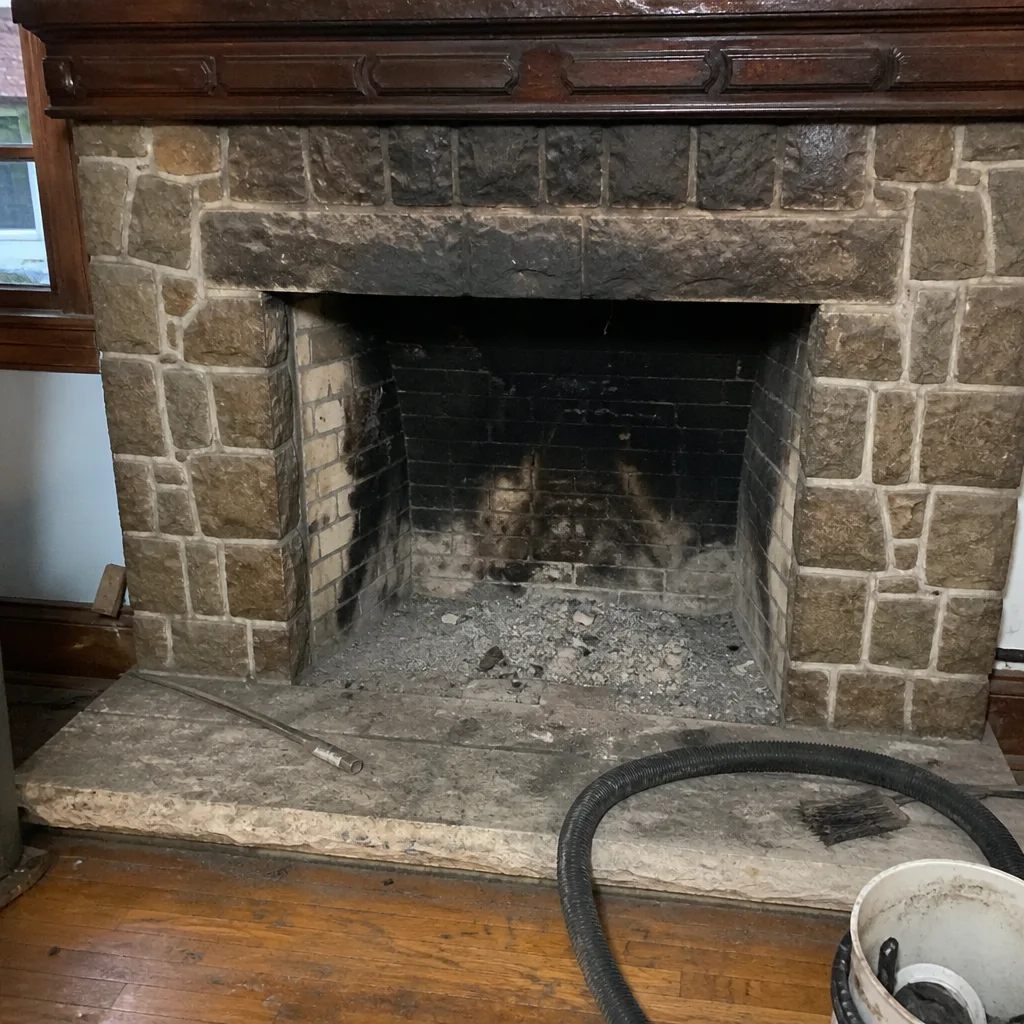 Before
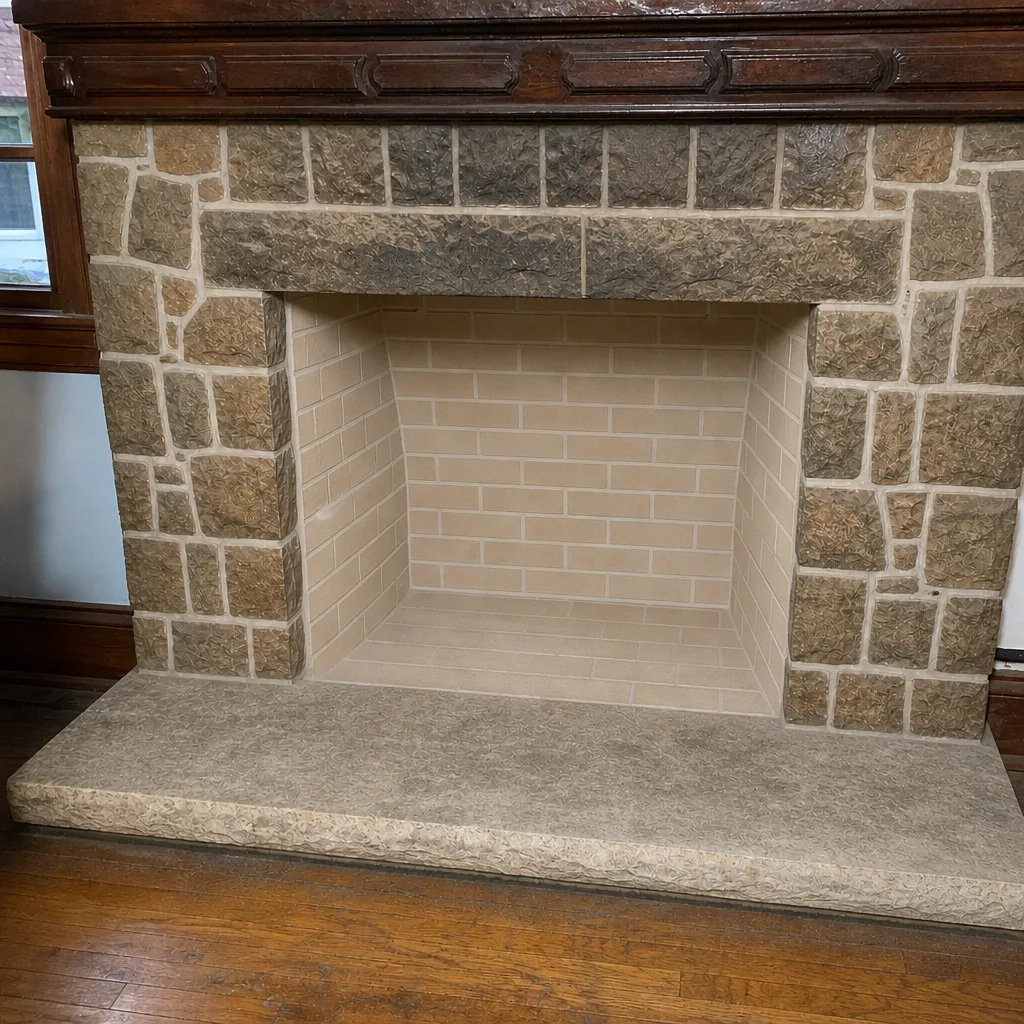 After
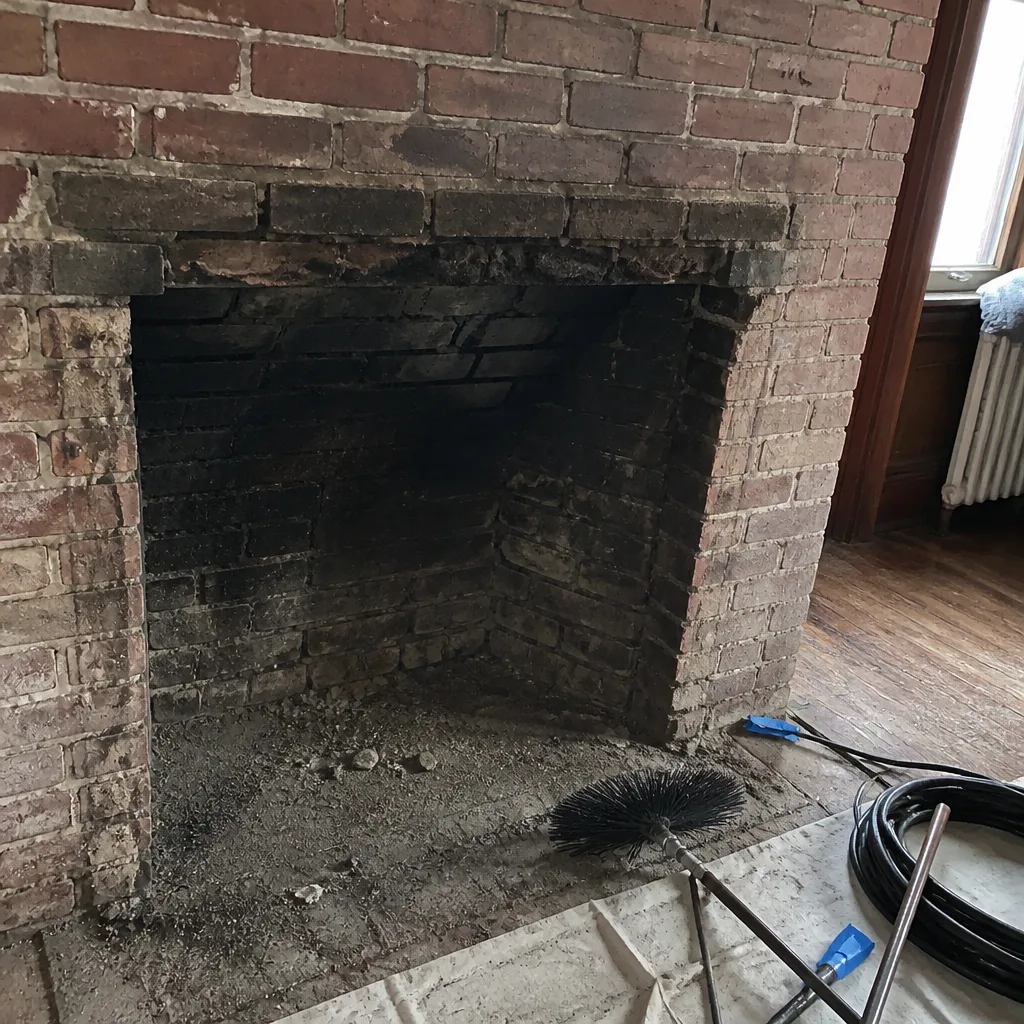 Before
 After
 Before
 After