
Last updated November 22, 2026
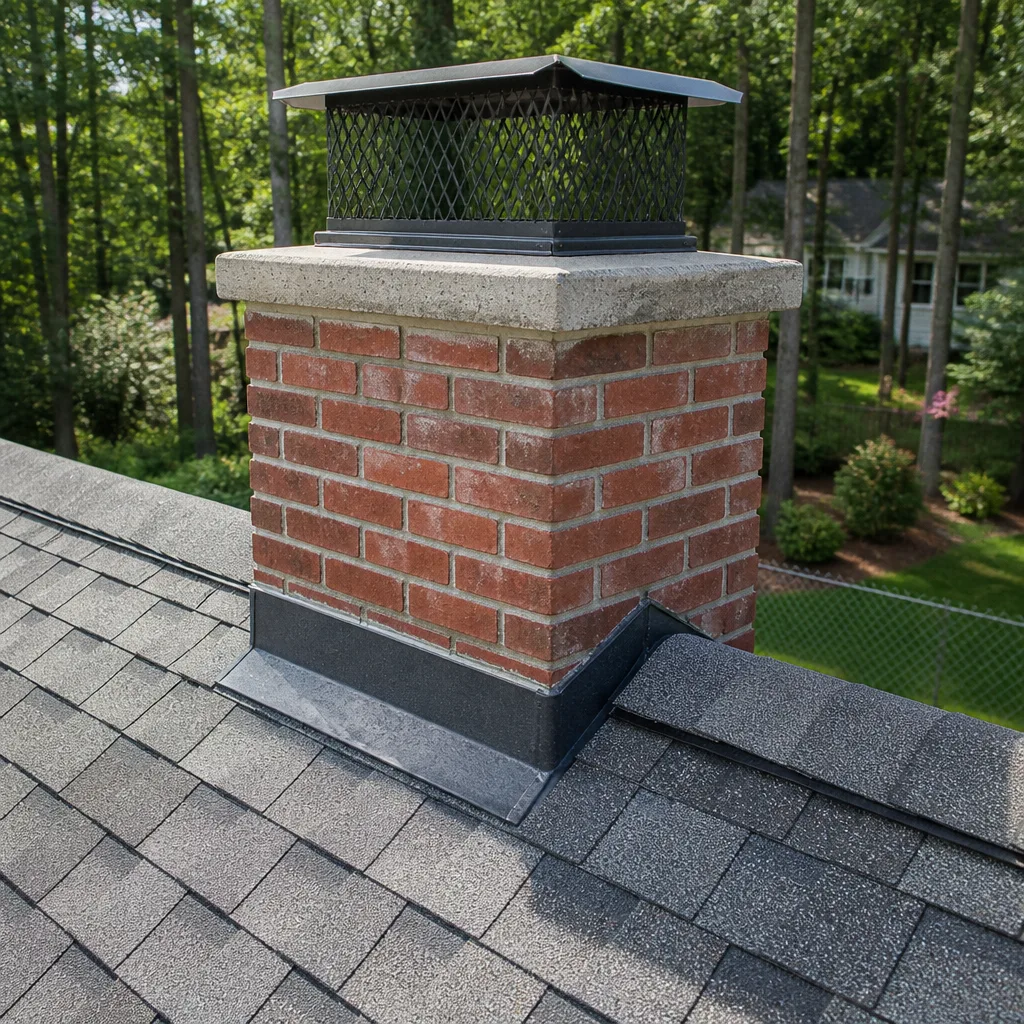 Sweep & inspection
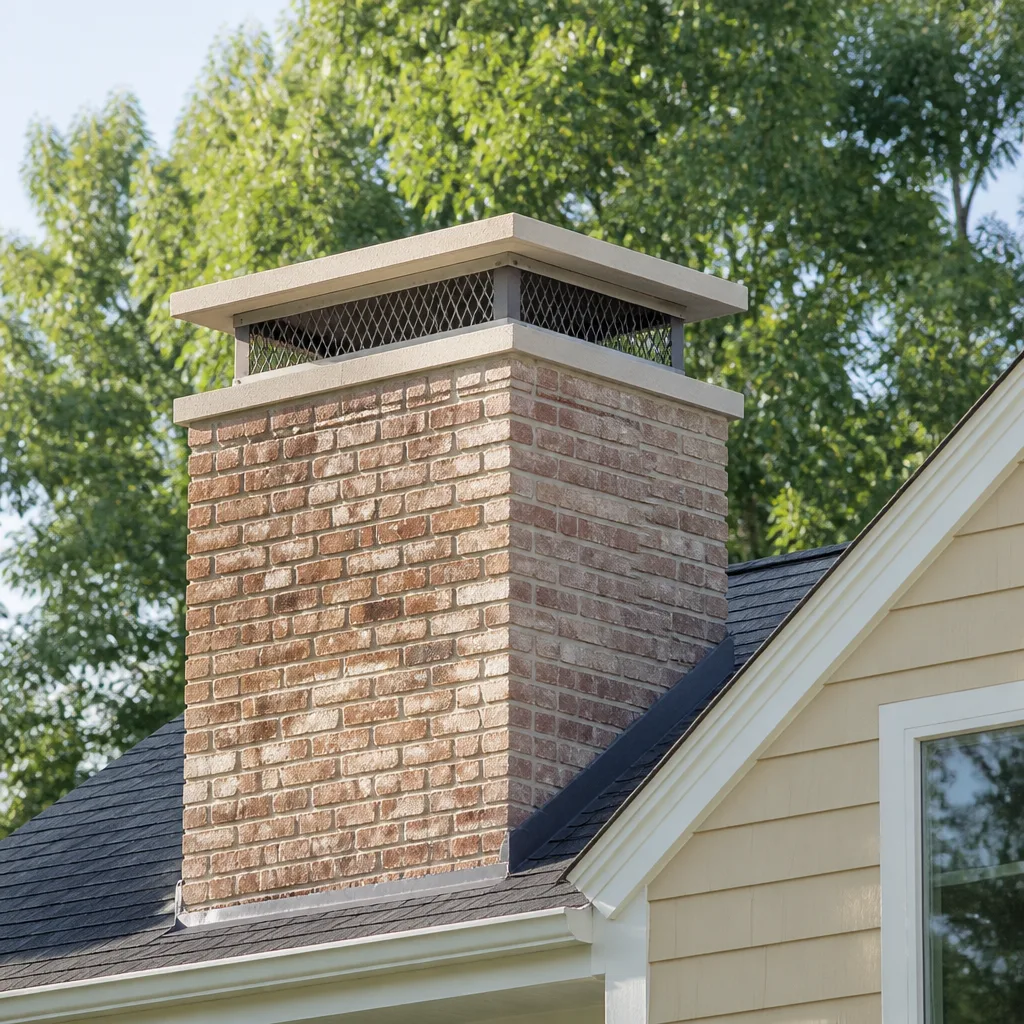 Caps & crowns
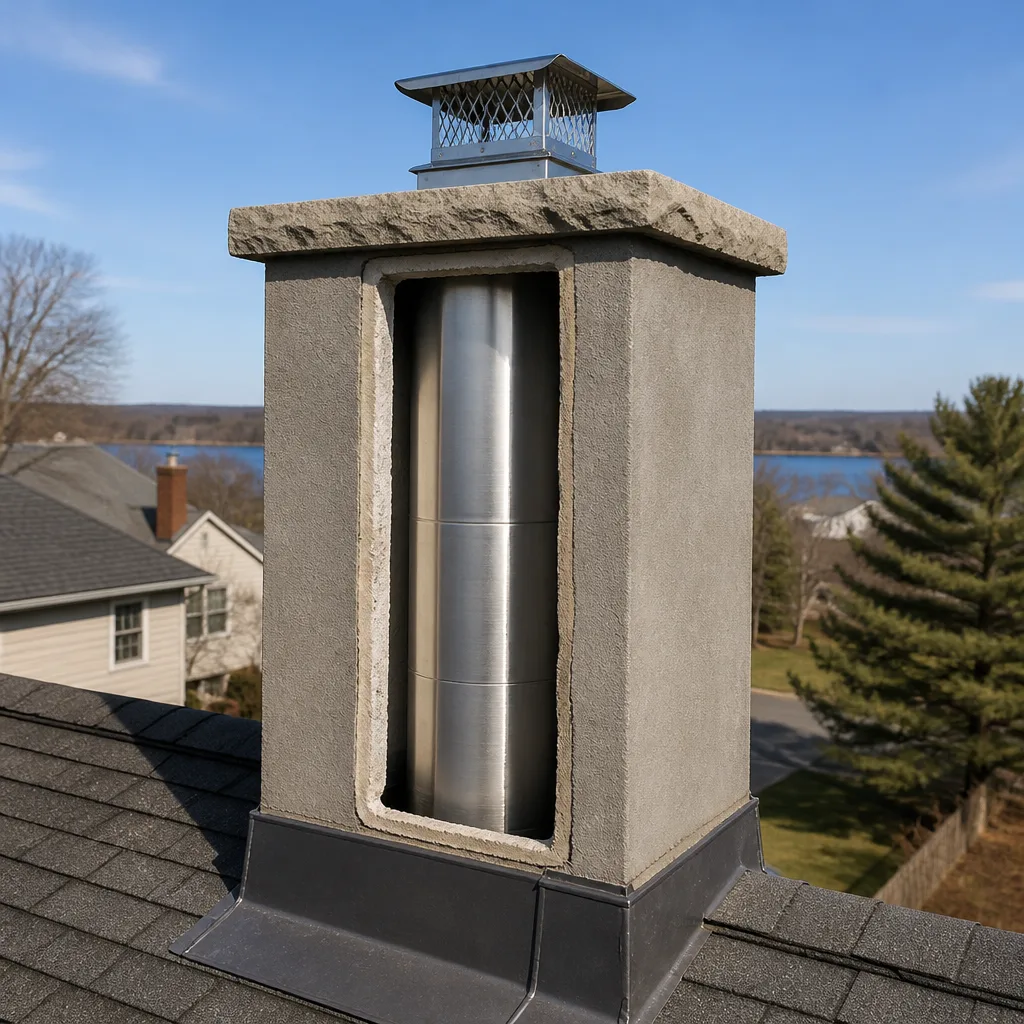 Flue relining
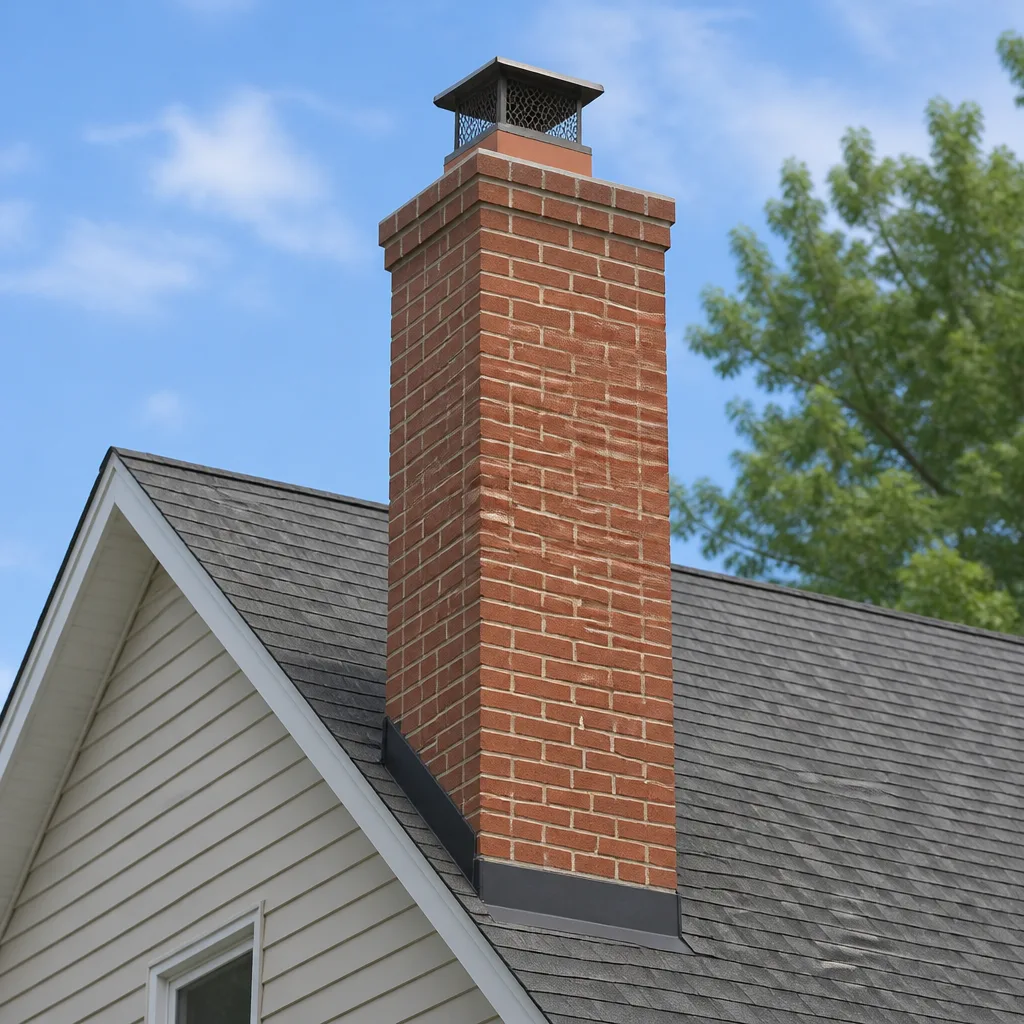 Masonry repair
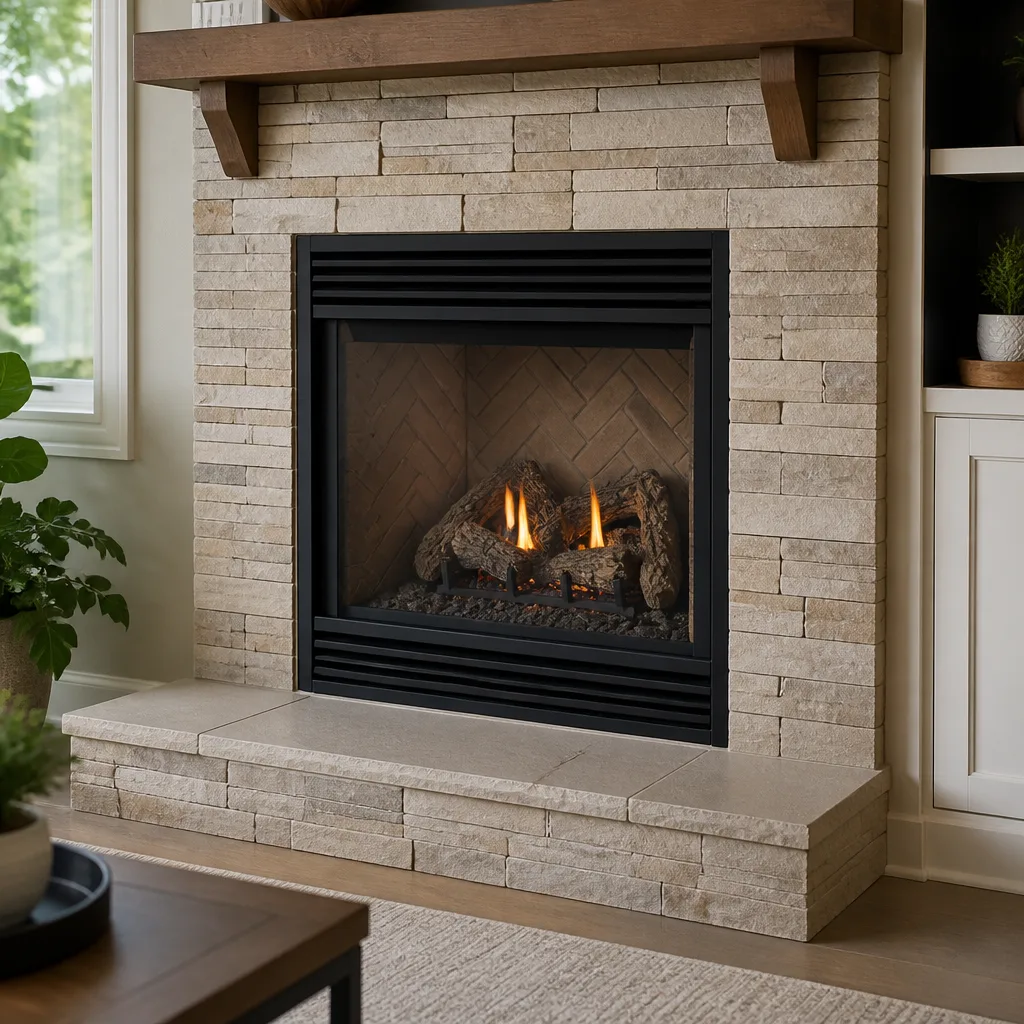 Gas fireplace service
Level 1 sweep and inspection to the NFPA 211 annual standard - flue, crown, cap, and flashing checked and photographed
Chimney sweep logs do not sweep chimneys. They loosen some creosote - which then falls where a brush and vacuum still have to collect it.
Chimney Cleaning Warning Signs: A Bushwick Homeowner’s Reference Guide
Most chimney problems announce themselves well before they turn dangerous. The smoke that rolls into the room, the smell that lingers after a fire, the white streak on the brick outside: these are signals, and they’re usually telling you the same thing. The trouble is that a symptom and its cause rarely sit in the same place. A weak draft that you blame on wet wood is often a flue that’s lost its shape. A smell you write off as last night’s fire can be a blocked flue. This guide maps each sign to its likely source, so you can tell a schedule-it-soon issue from a call-this-week one. We’ll walk you through what to look at, what to smell for, and how a Bushwick rowhouse tends to age on the chimney side.
Quick Answer
The main chimney cleaning warning signs are a strong creosote smell that lingers after a burn, visible soot or black staining at the firebox, smoke rolling back into the room, slow or difficult ignition, popping or dripping sounds during and after a fire, white efflorescence or crumbling mortar on the exterior brick, and a rusted or missing cap. Any of these means the flue needs an inspection before the next burn. Structural signs like spalling brick or crumbling mortar call for a same-week look, not a wait-and-see.
Styles & brands we work with
- Sweep & inspection
- Caps & crowns
- Flue relining
- Masonry repair
- Gas fireplace service
Table of Contents
- What the Smell Is Telling You
- Exterior Warning Signs and the Structural Timeline
- Performance Signs During a Burn
- Sound Indicators: Popping, Dripping, Scratching
- When to Call: The Same-Week Versus Schedule-Soon Triage
- What a Professional Chimney Sweep Checks
- Common Mistakes to Avoid
- Frequently Asked Questions
What the Smell Is Telling You
Smell is the most underrated diagnostic tool a homeowner has. It’s also the easiest to misinterpret, because three very different problems produce three very different odors, and most people only recognize one of them. If you burn wood and notice a strong, sharp, almost tar-like smell that hangs around after the fire dies down, that’s creosote. It’s the residue that builds up on the flue walls as smoke cools, and when you can smell it inside the room, the buildup has usually reached a thickness worth removing. Stage 2 creosote is glazed, hardened, and doesn’t brush off easily, which is exactly why a proper chimney sweep is a job for a specialist and not a do-it-yourself project.
A musty, organic, slightly sour smell is a different animal. That’s often what a bird’s nest, squirrel debris, or a buildup of leaf matter in the flue smells like. Bushwick’s mix of mature street trees and older housing stock means critters find their way into uncapped flues with some regularity. If the smell shows up in spring or early fall, before you’ve lit a fire, nesting material is the likelier explanation than creosote.
Then there’s the one that gets misread the most: a sulfur, rotten-egg, or metallic smell. In a chimney, that’s rarely a wood-fire problem. It’s more often a warning sign of backdraft from a gas appliance, where combustion gases are getting pushed back into the living space instead of venting outside. That’s a safety issue, not a maintenance issue. If you smell it near a gas water heater or furnace flue, stop using the appliance and get it looked at.
- Creosote: sharp, tarry, lingers after a burn – indicates buildup on the flue walls.
- Organic/musty: sour, earthy, appears between burn seasons – likely nesting material or debris.
- Sulfur/metallic: rotten-egg, sharp – points toward gas appliance backdraft and deserves prompt attention.
Exterior Warning Signs and the Structural Timeline
The best place to catch a chimney problem early is outside, from the sidewalk or the roof line. A white, powdery stain running down the brick isn’t cosmetic. That’s efflorescence, the visible signature of water moving through the masonry, and it tells you the flue is already experiencing moisture infiltration that will accelerate liner deterioration. In Bushwick’s rowhouse blocks, where chimneys are often shared or closely packed and capped inconsistently, water intrusion is one of the most common issues we diagnose.
Beyond the white staining, watch for these exterior signs:
- Spalling brick faces: the front layer of the brick is flaking or popping off. Water has gotten in, frozen, and pushed the surface away. Left alone, the brick keeps shedding and the structure weakens.
- Stair-step mortar cracking: cracks that zigzag along the joints between bricks. This pattern usually signals movement or settlement, not just surface wear, and it’s a structural signal rather than a cosmetic one.
- Rusted chase cover or cap: a rusted-out cover lets water straight into the flue. A missing or damaged cap lets rain, animals, and debris in.
- Crown cracking: the concrete slab on top of the chimney should shed water away from the flue. When it cracks, water pools and works its way down.
Each of these moves along a timeline. Efflorescence alone is early. Spalling brick and stair-step cracking are later, meaning the moisture has been working for a while. A rusted chase cover is an open door. This is where the chimney cap & crown work matters: a sound cap and crown are the first line of defense against everything else on this list. Our technicians have up to 10 years of experience reading these exterior signs and separating repair-ready problems from cosmetic ones.
Performance Signs During a Burn
How a fire behaves tells you almost as much as how the chimney looks. A properly drafting chimney pulls smoke up and out steadily. If the fire struggles, the smoke misbehaves. Here’s how to read what happens during a burn.
Smoke rolling back into the room. You light a fire, and a puff of smoke escapes into the room before it settles. That’s a draft problem. The likely causes are a flue that’s too cold, a flue that’s the wrong size for the firebox, a blockage partway up, or a home that’s too tightly sealed for the chimney to draw properly. Sometimes it’s the flue geometry, sometimes it’s a mechanical obstruction like a bird’s nest or a fallen liner fragment.
Slow ignition. If it takes forever to get a fire going, or the flame sputters and struggles, the chimney may not be drawing enough air. A partly blocked flue or a buildup of creosote that’s narrowing the passage will do this.
Fires that won’t draw. If smoke lingers in the firebox and doesn’t rise, the flue is either obstructed or losing its seal. A cracked or deteriorated liner lets air in where it shouldn’t, and that breaks the draft.
These performance signs are where diagnosis pays off. A flue that’s lost integrity often needs resurfacing rather than a full rebuild, and that’s a job we approach with HeatShield, a proprietary resurfacing system that restores the flue without demolition. From inspection to repair, handled by the same specialist crew, is the difference between a fixed draft and a revolving door of referrals.
Sound Indicators: Popping, Dripping, Scratching
Sounds coming from the chimney are easy to dismiss and easy to misread. Three patterns matter, and each points to something different.
- Popping or cracking during a burn. Some of that is normal wood doing what wood does. But when the popping is sharp and steadies into a rhythm, it can be thermal stress on the liner. A flue that’s expanding and contracting unevenly is telling you the liner is aging or cracked and needs a look.
- Dripping or trickling. That’s active water infiltration. Rain or meltwater is getting past the cap, crown, or masonry and running down inside. If you hear dripping after a storm, the moisture has found a route in, and the efflorescence and spalling you’ll read about outside are the next stage.
- Scratching or rustling. That’s a live animal, almost always a bird or squirrel that found an uncapped flue. Don’t light a fire until the flue is cleared and the obstruction removed. A blocked flue with a fire under it is dangerous.
Bushwick’s older rowhouses have chimneys that were often built for coal and later adapted for wood, which means flue sizing isn’t always what it should be. That history makes the sound indicators even more useful, because a flue that never drafted right will tell you so through performance and noise long before any visible damage shows up.
When to Call: The Same-Week Versus Schedule-Soon Triage
Not every warning sign is a red alert. Some need a call this week. Others can wait for your next maintenance window. Here’s a simple triage framework for Bushwick homeowners to sort the two.
Call this week
- Any sulfur or rotten-egg smell near a gas appliance flue.
- Scratching or rustling sounds (live animal in the flue).
- Smoke rolling consistently into the room.
- Visible spalling brick or stair-step mortar cracking on the exterior.
- Dripping or trickling sounds after rain.
- Any stage 2 creosote smell inside the living space.
Schedule soon
- A mild creosote odor that appears only after a burn, with no other symptoms.
- Slow ignition that resolves once the fire is going.
- Efflorescence without spalling or cracking.
- A rusted cap or chase cover without active water coming in.
- A musty smell between burn seasons, with no animals heard.
The honest version of this framework is that a lot depends on what a camera finds. We don’t recommend liner work or masonry repairs without camera evidence you can see for yourself, and we’ll tell you plainly when a job can safely wait until next season. Inspection first, always. When you reach the Chimney Sweep Bushwick team, the first step is a diagnosis, not a work order. Call (855) 337-1157. We answer 24/7. Fast dispatch from 7am to 7pm, Sunday through Friday.
What a Professional Chimney Sweep Checks
A proper sweep is a diagnostic visit, not just a cleaning. The cleaning is the visible part. The inspection is where the value sits, because that’s where we catch the problems your nose and eyes can’t reach.
During a standard sweep, a technician works through a checklist that maps to the warning signs above:
- Visual firebox check for soot, staining, and cracked firebox walls.
- Flue camera inspection to look for creosote staging, cracks, gaps, and obstructions.
- Draft test to confirm the flue is pulling correctly.
- Liner integrity check to spot thermal damage or a failed seal.
- Exterior inspection of the cap, crown, chase cover, brick faces, and mortar joints.
- Photo report so you can see exactly what the camera saw.
When the camera finds something, the fix depends on what’s there. A creosote-heavy flue gets swept. A liner with a loss of integrity may be a candidate for HeatShield resurfacing or a DuraFlex flexible liner, both professional-grade systems rather than off-the-shelf substitutes. Caps and crowns get rebuilt with Olympia Chimney components where the original hardware has failed. All of this lives under one scope: inspection, diagnosis, and repair from the same crew. No handoffs. If you’re wondering what the chimney repair side looks like for your particular symptom, the inspection is the starting point that tells you whether you’re looking at a cleaning or a rebuild. Our technicians have up to 10 years of experience and a full brand toolkit, including HeatShield, DuraFlex, and Olympia Chimney, so the diagnosis and the fix stay in the same hands.
Common Mistakes to Avoid
- Burning through a warning sign to see if it clears up. A flue that rolled smoke once will roll it again, and the underlying cause (bad draft or a narrowing flue) doesn’t fix itself with more fires.
- Treating a dirty cap as a cosmetic issue. A missing or rusted cap lets in water, animals, and debris. In Bushwick’s closely packed rowhouse blocks, that’s how a small cap problem becomes a liner problem.
- Assuming a sulfur smell is just the gas. A rotten-egg smell near a gas appliance flue is a backdraft warning and a safety issue, not a housekeeping odor. Stop using the appliance and get it checked.
- Letting a “fine for now” draft go for seasons. Slow ignition and stubborn fires usually mean the flue is obstructed or losing its seal. Both get worse with each burn.
- Buying an off-the-shelf liner kit. A flue needs the right size and a proper seal. Flexible liners and resurfacing systems are engineered products, and that’s why we work with DuraFlex and HeatShield rather than hardware-store substitutes.
- Lighting a fire when you hear scratching. An animal in the flue blocks the passage and can trap smoke and carbon monoxide in the room. Have the flue cleared first.
- Skipping the inspection between sweeps. A clean flue can still have a cracked liner or a failing crown. Cleaning and inspection are two different jobs, and the inspection catches what the brush doesn’t.
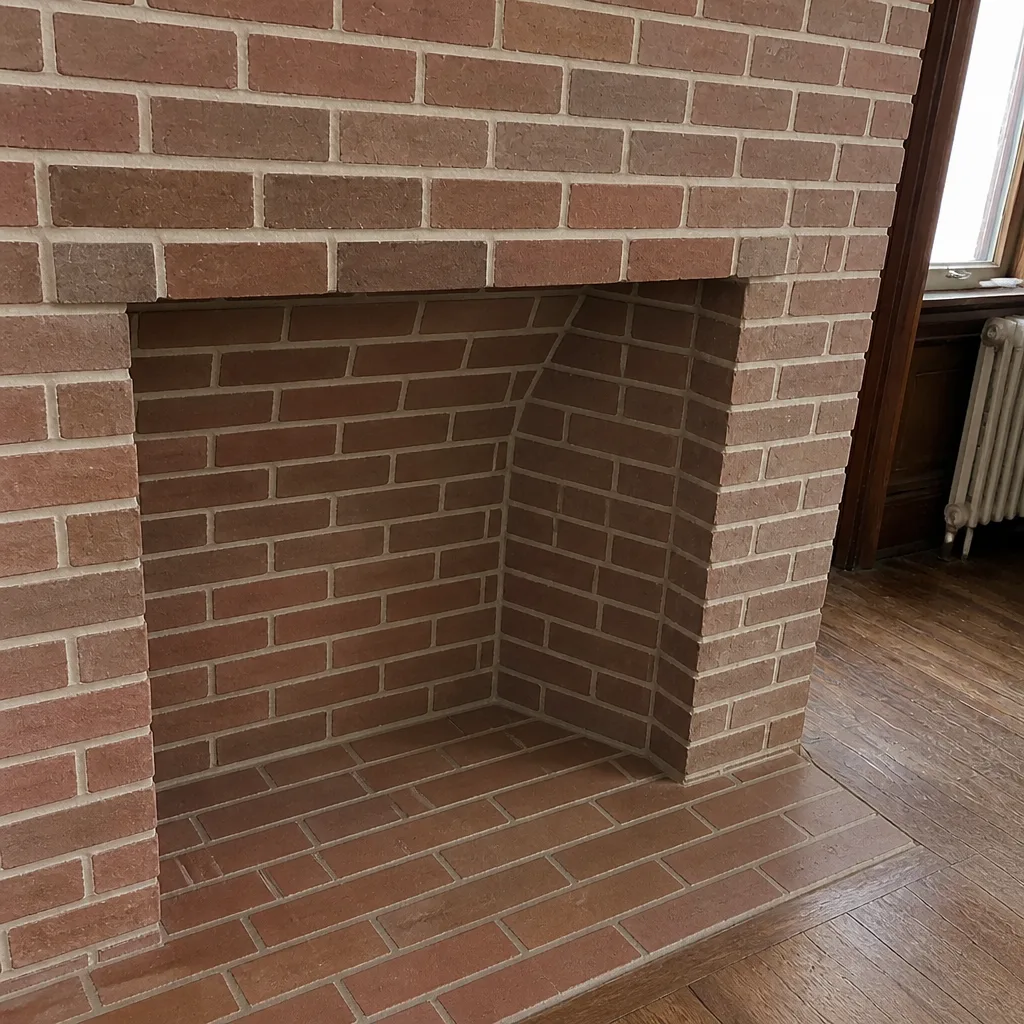
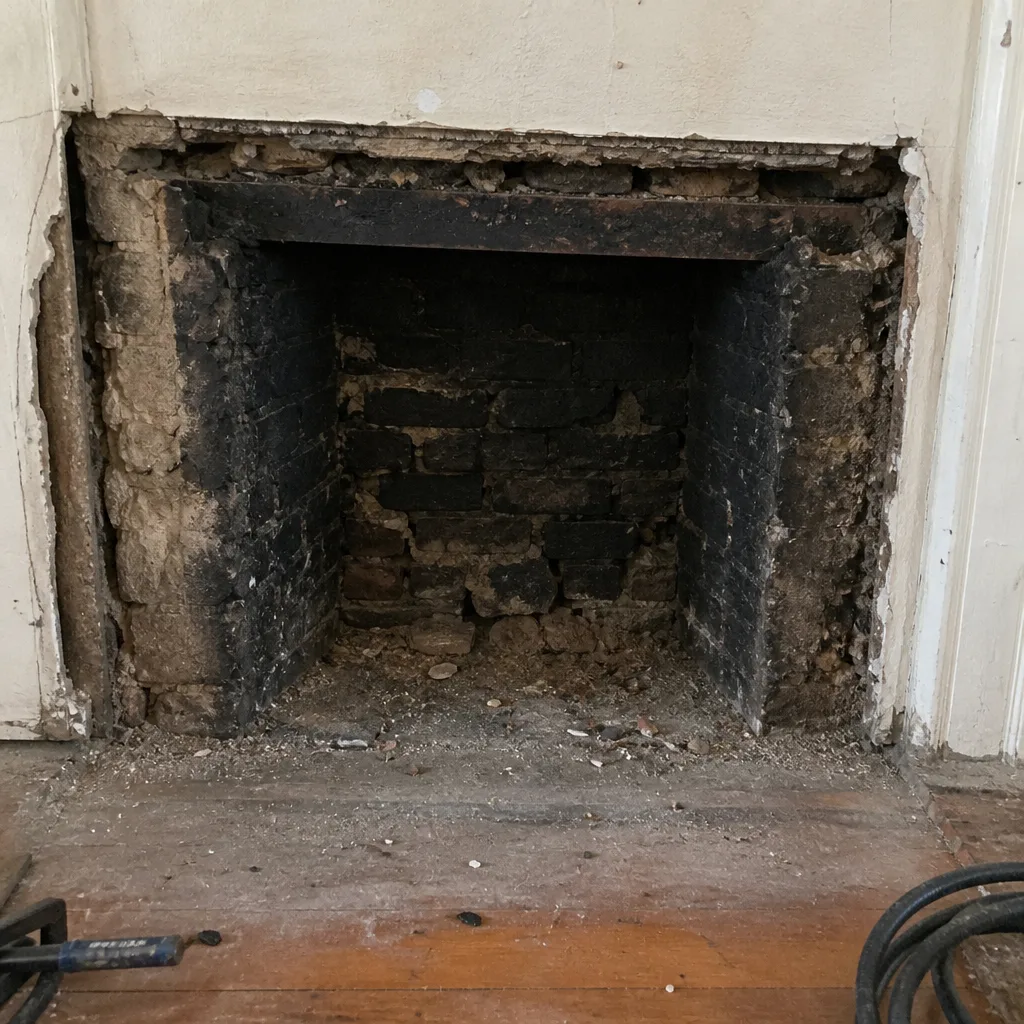
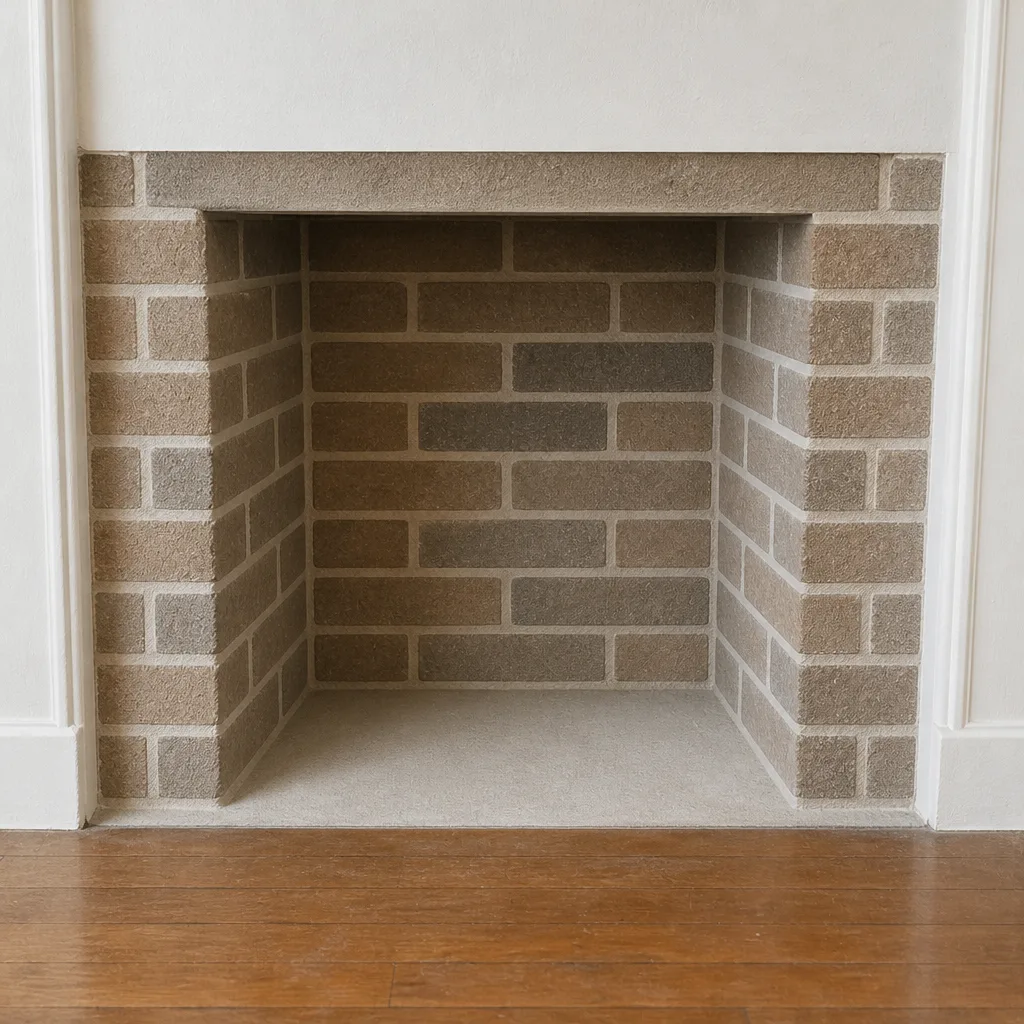
See the difference
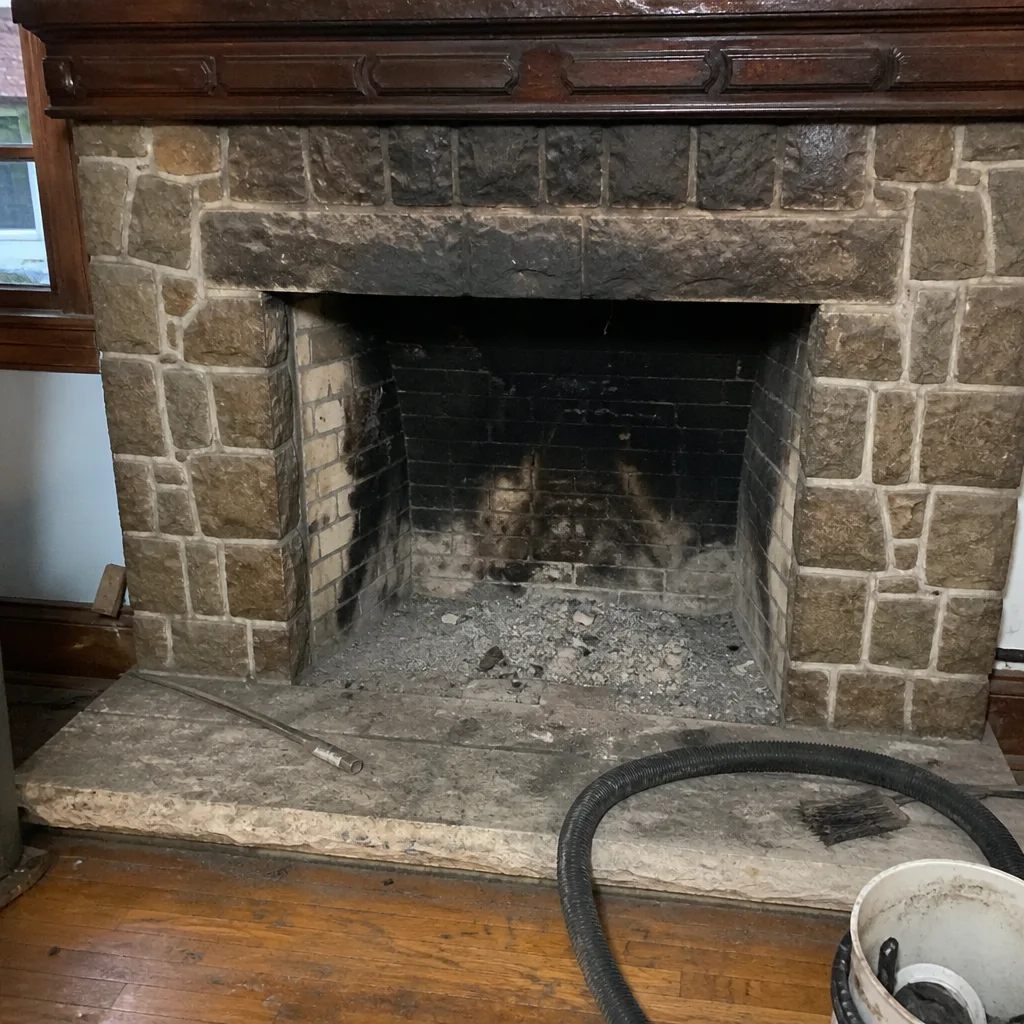 Before
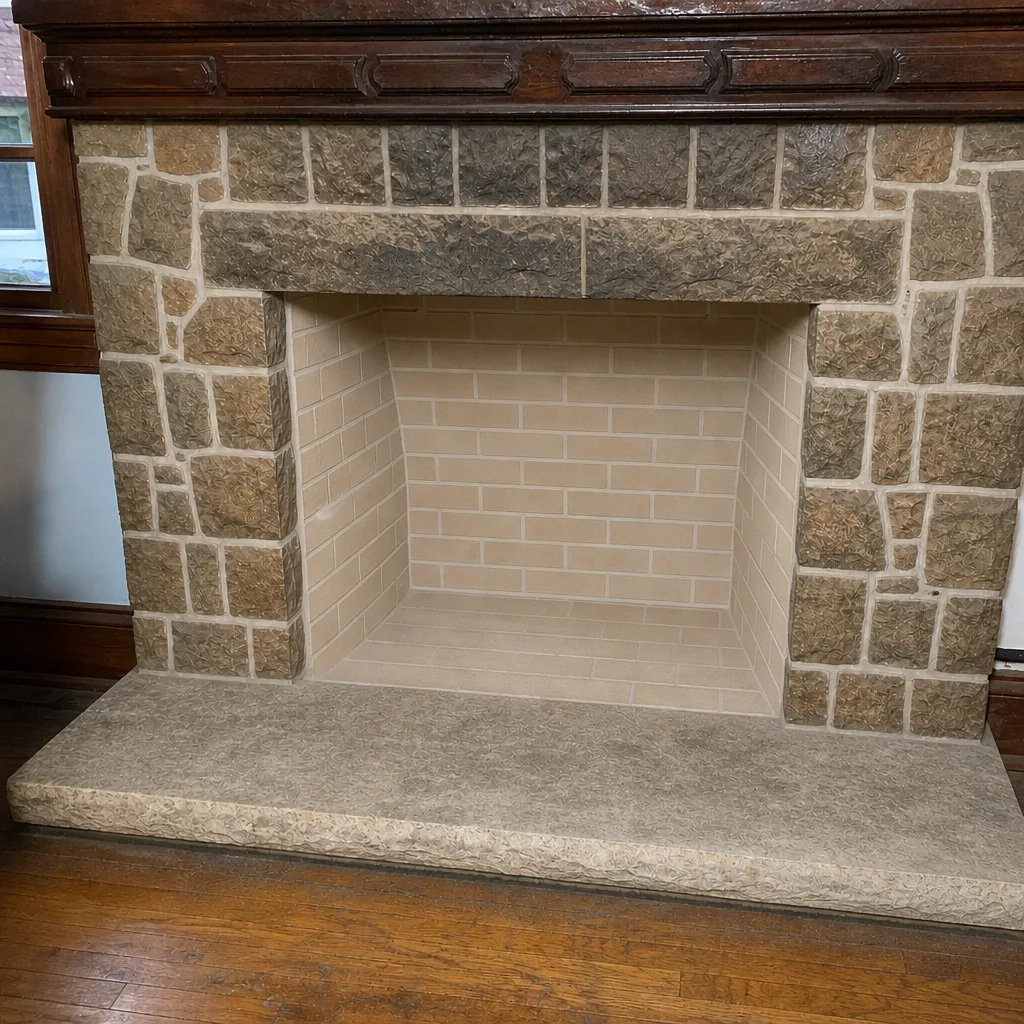 After
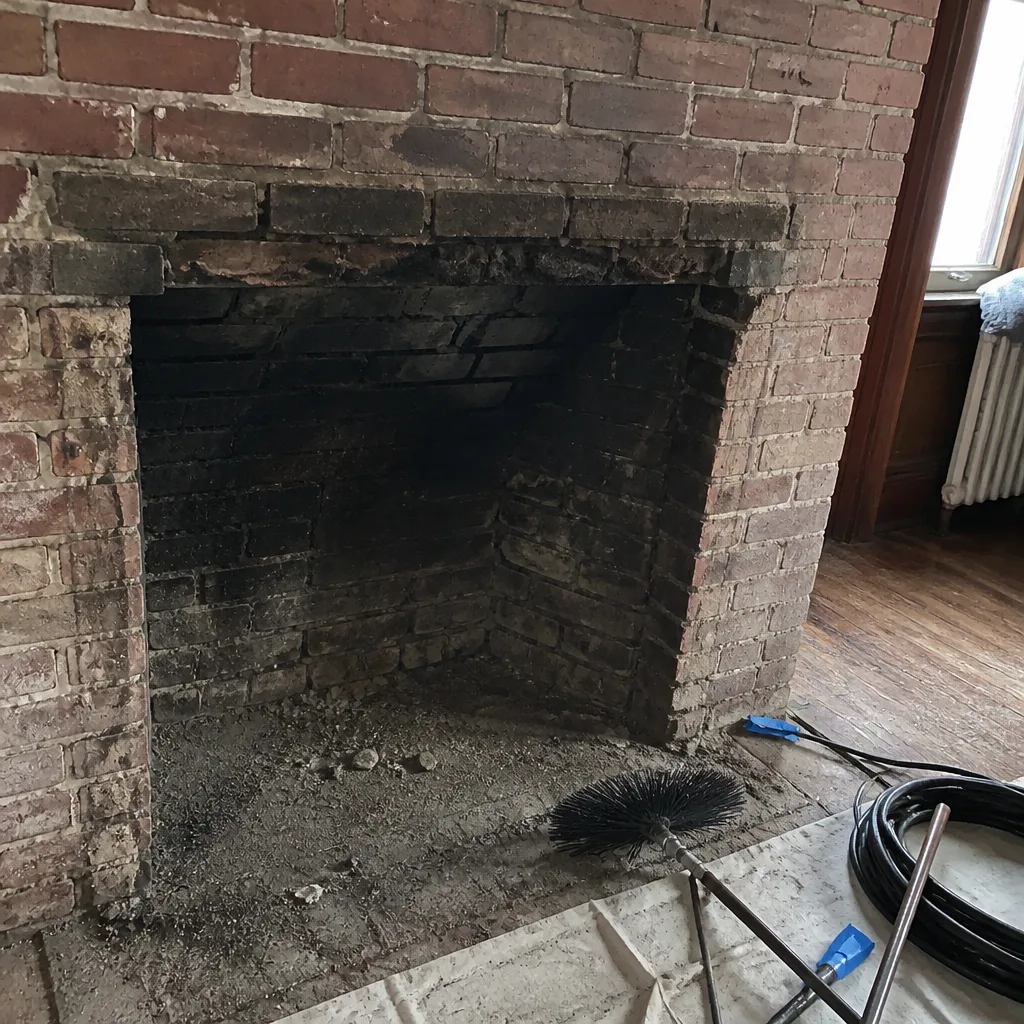 Before
 After
 Before
 After
When to Call a Professional
Call us when the warning sign you’re seeing is one of the same-week items above, or when you’ve had a fire behave oddly and you can’t explain why. Structural signs, water intrusion, live animals in the flue, sulfur smells, and persistent smoke rollout are all reasons to get a trained eye on the system. A professional sweep with camera inspection tells you whether you’re looking at a cleaning or a repair, and it gives you a photo report you can trust. We diagnose before we recommend, so you’ll know exactly what’s wrong and what it takes to fix it. Chimney Sweep Bushwick offers free estimates in Bushwick, and the local pro is licensed and insured as their state requires. Call (855) 337-1157. We answer 24/7. Fast dispatch from 7am to 7pm, Sunday through Friday.
Frequently Asked Questions
A standard chimney sweep in Bushwick typically falls in a modest range, and the exact price is set per job by the written estimate, which is free. The sweep and the camera inspection are quoted together so you know the full picture before anything is booked. Call (855) 337-1157 for an exact quote. Estimates are free.
A chimney used for wood should be swept when creosote buildup reaches a thickness worth removing, which for most regular users means at least once a year and more often if you burn heavily. In Bushwick, where older flues were built for coal and later adapted for wood, annual inspection is a good baseline. Call (855) 337-1157 to book an inspection.
Not always. A liner is replaced or resurfaced only when the camera shows it’s lost integrity, cracked, or failed its seal. Many flues can be restored with resurfacing rather than full replacement. We won’t recommend liner work without camera evidence you can see for yourself. Call (855) 337-1157 to arrange an inspection.
Creosote keeps accumulating, and thick, glazed creosote is a fire risk because it can ignite inside the flue. A blocked or narrowed flue can also push smoke and carbon monoxide back into the room. Skipping a sweep doesn’t create a problem overnight, but the buildup is cumulative. Call (855) 337-1157 before the next burn season.
A mild creosote odor that appears only after a burn is a maintenance signal, not an emergency. A sharp sulfur or rotten-egg smell near a gas appliance flue is different and should be treated as a safety issue. Call (855) 337-1157 for guidance on scheduling.
Yes. We work with homeowners and property owners on chimneys of all configurations, including shared and closely packed rowhouse chimneys. Inspection first means we tell you what the flue needs, from a simple sweep to a cap and crown rebuild. Call (855) 337-1157 for a free estimate.
The Bottom Line
Chimney problems talk to you long before they become dangerous. The skill is in reading the signal correctly. A sharp creosote smell means buildup. An organic smell means debris. A sulfur smell means backdraft. Popping is thermal stress, dripping is water, scratching is an animal. On the outside, efflorescence, spalling brick, stair-step cracking, and a rusted cap all describe water finding its way in and the timeline that follows. Sort those signs into call-this-week and schedule-soon, and you’ll never be caught by surprise. And when a sign does show, the path forward starts with an inspection you can trust, with a camera report you can see. That’s how we work.
If any of the warning signs in this guide sound familiar in your Bushwick home, the best next step is a free estimate. Call (855) 337-1157. We answer 24/7. Fast dispatch from 7am to 7pm, Sunday through Friday. From inspection to repair, handled by the same specialist crew, with professional-grade materials from DuraFlex, HeatShield, Olympia Chimney, and Copperfield, not off-the-shelf substitutes.
Written by the team at Chimney Sweep Bushwick.