
Last updated November 22, 2026
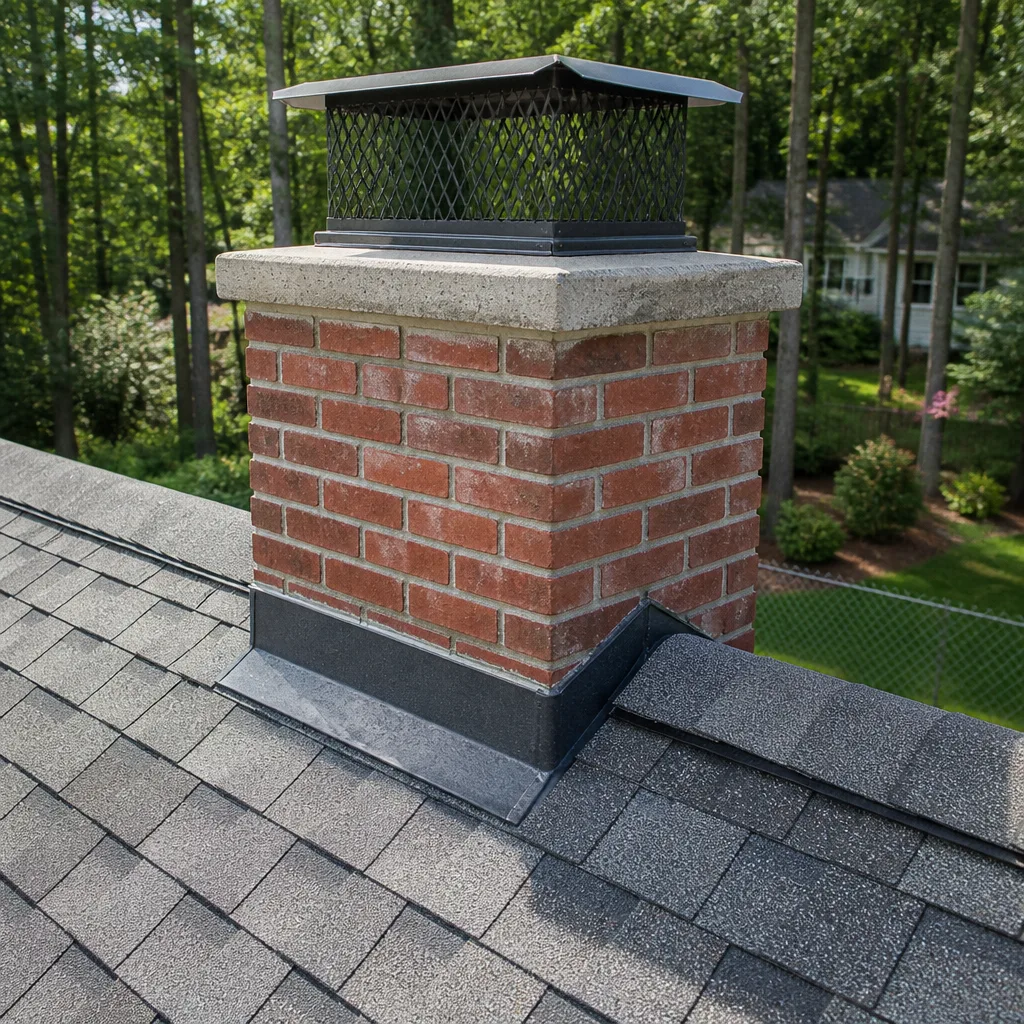 Sweep & inspection
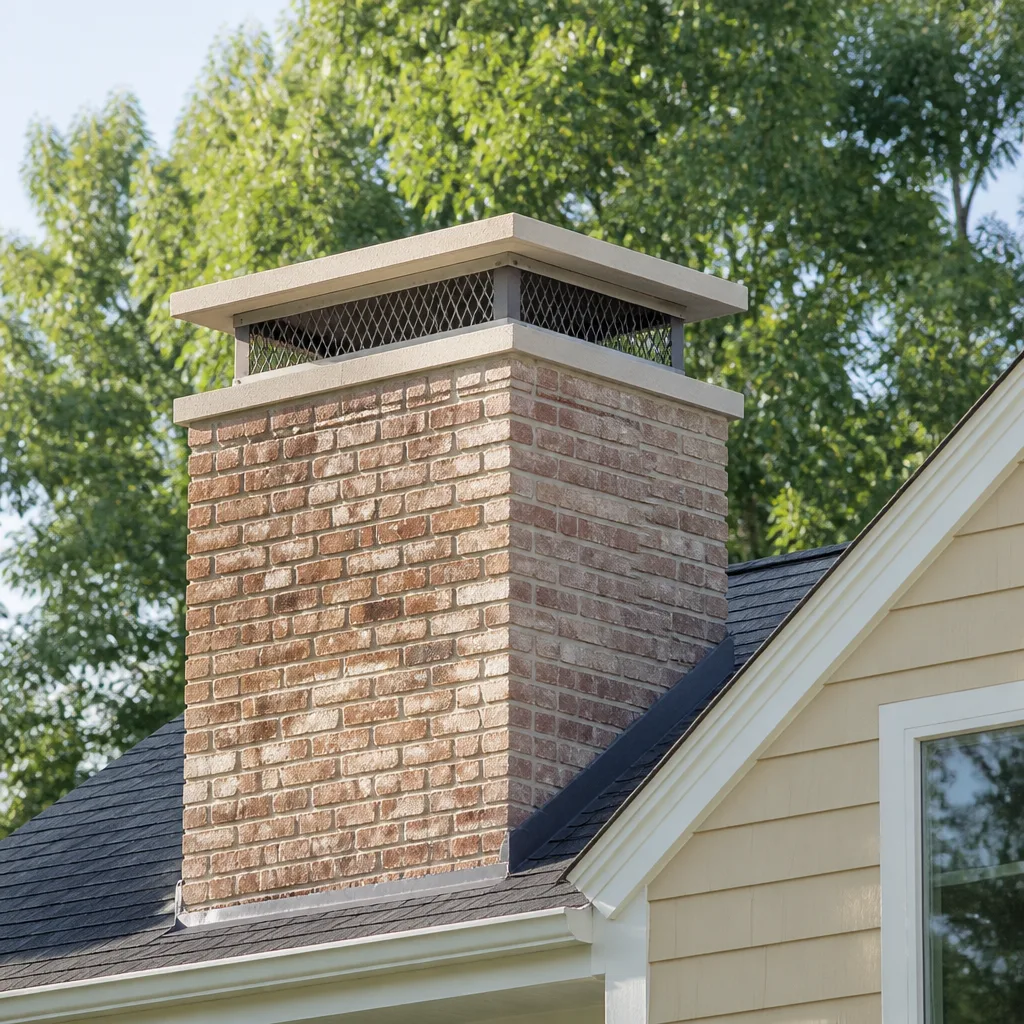 Caps & crowns
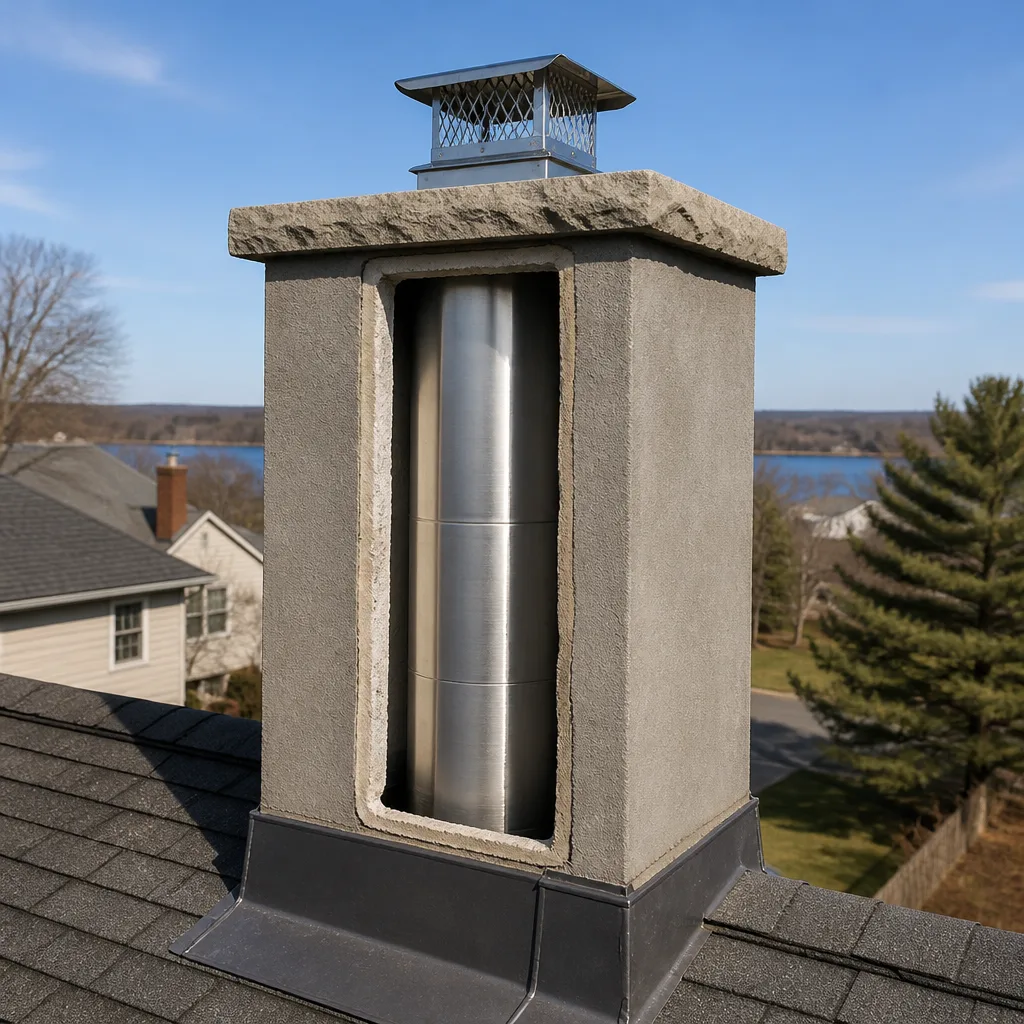 Flue relining
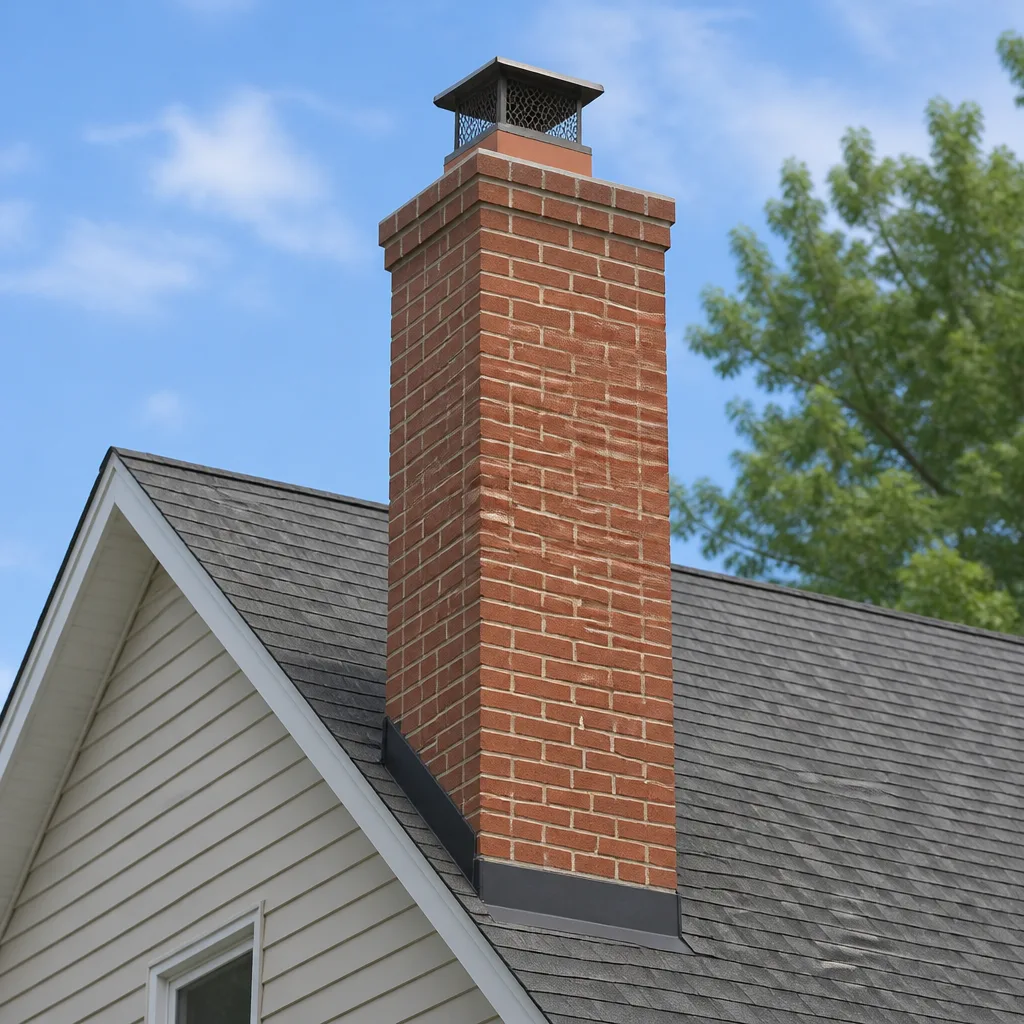 Masonry repair
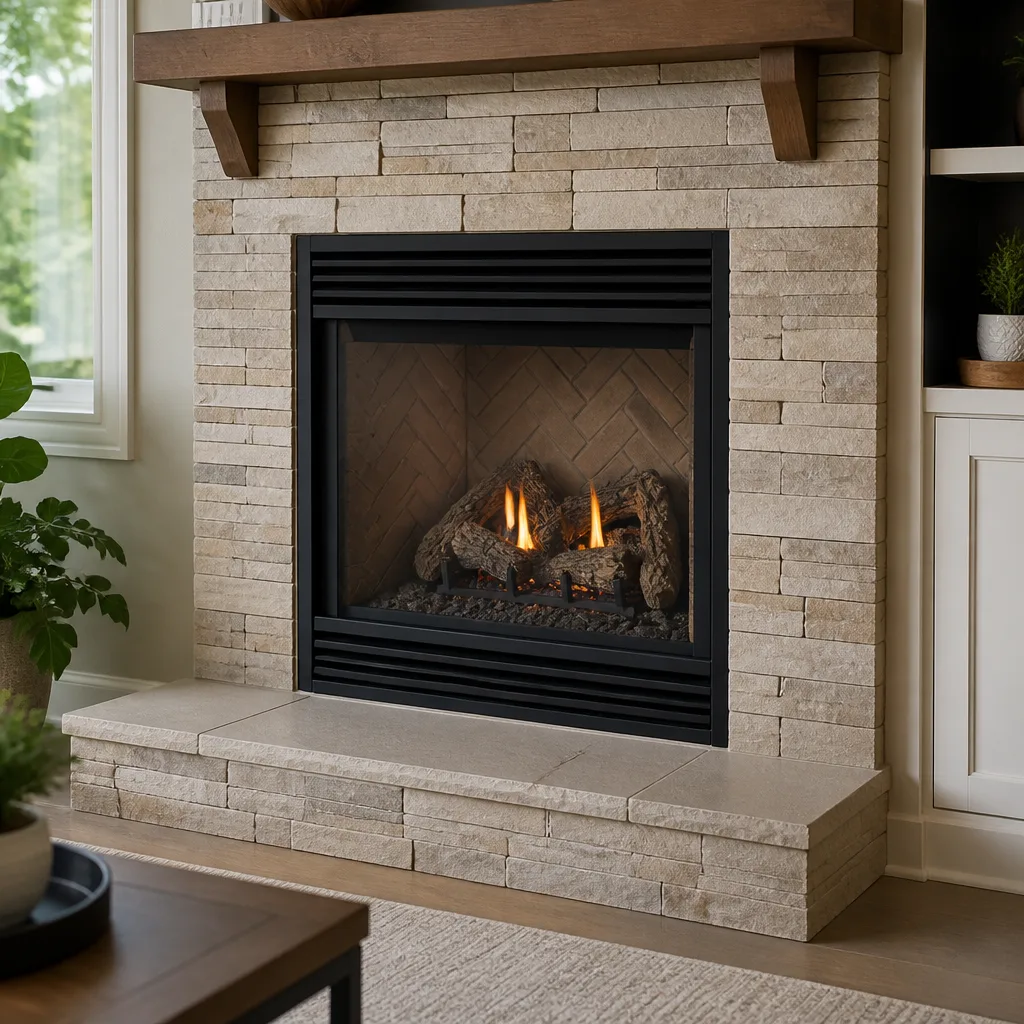 Gas fireplace service
Level 1 sweep and inspection to the NFPA 211 annual standard - flue, crown, cap, and flashing checked and photographed
Chimney sweep logs do not sweep chimneys. They loosen some creosote - which then falls where a brush and vacuum still have to collect it.
Chimney Sweep Maintenance Checklist for Bushwick Homeowners
The single most skipped maintenance item on Bushwick chimneys isn’t the flue. It’s the smoke chamber, that corbeled brick shelf directly above the firebox, where glaze creosote builds at a rate that surprises even homeowners who’ve burned wood for years. The flue gets all the attention because it’s the part you can see with a flashlight from the hearth. The smoke chamber sits just out of view, and in the rowhouse stock around Bushwick it collects stubborn, tar-like deposits faster than most people expect. This checklist is built around the actual failure points of the systems in this neighborhood, from the firebox up through the cap, organized by component and by how much wood you actually burn.
Quick Answer
A complete chimney maintenance routine for a Bushwick home covers four zones: the exterior masonry and crown, the firebox and smoke chamber, the flue and liner, and any appliance connection points like a wood insert or gas log set. Sweep based on cords of wood burned (roughly every cord), inspect the exterior and cap each fall before heating season, and call a specialist at the first sign of spalling brick, a cracked crown, or efflorescence on the masonry.
Styles & brands we work with
- Sweep & inspection
- Caps & crowns
- Flue relining
- Masonry repair
- Gas fireplace service
Table of Contents
- Why Bushwick Chimneys Need Their Own Checklist
- 1. Exterior Masonry Checklist: What to Look For From the Roofline
- 2. Interior Firebox Checklist: Panels, Shelf, and Damper
- 3. Flue Checklist: Liner Continuity, Offsets, and Efflorescence
- 4. Appliance Connection Points: Thimbles, Clearances, and Gas Logs
- 5. How Often to Schedule: Cords Burned, Not Calendar Months
- 6. A Seasonal Schedule Built for Bushwick
- Common Mistakes to Avoid
- When to Call a Professional
Why Bushwick Chimneys Need Their Own Checklist
The chimney systems in Bushwick don’t match the ones a generic national checklist was written for. Much of the housing here is 19th- and early-20th-century rowhouse construction, where chimneys were built into shared party walls, sometimes with multiple flues serving different original fireplaces that have since been abandoned, capped, or converted. Converted industrial and loft buildings add another layer: heating systems retrofitted into structures never designed around them, with flues that took odd paths to the roof.
That history creates failure points a mass-market checklist skips. Shared masonry between neighbors means water intrusion on one side of a party-wall chimney can travel into brick you can’t see from your own roof. Blocked-off flues that look intact from the hearth can be open to the weather at the top, letting rain into a cavity nobody’s watching. And the freeze-thaw cycle of a New York winter, with water soaking into brick through fall rains and then expanding as it freezes, is hard on old mortar in a way that a mild climate never tests.
Our technicians have up to 10 years of experience with exactly these systems, and the pattern repeats: the owners who catch problems early are the ones checking components in order, from the top down, rather than waiting for smoke to back up or a stain to appear on a ceiling. A checklist that reflects real Bushwick construction beats a generic one every time. That’s why we diagnose before we recommend. The inspection comes first, always.
1. Exterior Masonry Checklist: What to Look For From the Roofline
The exterior of the chimney takes the weather first, so it’s the right place to start. You don’t need to climb anything to catch most early warning signs, and you shouldn’t, since roof work is a job for a trained professional with the right safety setup. A pair of binoculars from the yard or a nearby window covers the basics.
Spalling brick
Spalling is brick that’s flaking, peeling, or crumbling at the face. It happens when moisture gets inside the brick, freezes, and pushes fragments off the surface. In Bushwick, with our wet falls and hard freezes, spalling on an old chimney is common and it’s progressive. One spalled brick often means the ones around it are next. Left alone, the wall face loses mass and the chimney loses structural integrity.
Deteriorated mortar joints
Look at the lines between the bricks. Sound mortar is slightly recessed and firm. Failing mortar is crumbly, washed out, or missing in sections, leaving gaps. Recessed or hollowed joints admit water and mark the start of repointing territory. On a shared party-wall chimney in Bushwick, poor mortar on your side can affect the whole assembly, which is why it’s worth documenting with photos.
Crown cracking
The crown is the concrete or mortar cap on top of the chimney that sheds water away from the masonry. A cracked crown is the most common entry point for water damage on any chimney. Even a hairline crack widens over winter freeze-thaw. Our chimney cap & crown work focuses on this first because a failed crown undoes everything below it. Cracks, crumbling edges, or a crown that’s pulling away from the flue tile all call for a repair.
Cap integrity
A chimney cap (the metal or mesh cover over the flue opening) keeps rain, animals, and debris out. Check that it’s seated, that the mesh isn’t torn, and that the cap isn’t rusted through or blown loose. A missing or damaged cap is an open door to water and wildlife. Famco and Olympia Chimney components are what we work with on cap replacements, and they’re built to handle the freeze-thaw swings a Bushwick roof throws at them.
2. Interior Firebox Checklist: Panels, Shelf, and Damper
Inside the firebox, the goal is to check that the parts that contain the fire are intact and that the parts that route the smoke are clear. This is a visual check, not a repair, and if you see anything in the firebox or smoke chamber that worries you, stop and call a specialist. These components are what keep a fire inside the chimney and out of the house.
Refractory panel condition
Prefab fireboxes and some masonry units use refractory panels or brick to line the firebox. Look for cracks wider than a hairline, chunks missing, or panels that have shifted. Refractory protects the structure behind it from direct flame. A cracked panel lets heat reach material not built for it. Erosion from years of fire is normal; deep cracks are not.
Smoke shelf and smoke chamber buildup
The smoke shelf is the ledge behind the damper; the smoke chamber is the funnel above it. This is where creosote accumulates in the irregular, hard-to-reach spots a brush alone may not fully clean. In our experience, the smoke chamber is the most neglected part of a Bushwick chimney and also the most common source of the glaze creosote that leads to chimney fires. A proper chimney sweep addresses the smoke chamber, not just the flue. If the chamber’s brick has deteriorated, HeatShield resurfacing can restore its integrity without tearing the chimney apart, a level of repair basic sweeps can’t offer.
Damper plate seating and handle operation
Open and close the damper a few times. The plate should seat flat and the handle should move without grinding or sticking. A damper that won’t close fully wastes heat up the flue and lets cold air in when the fireplace is off. One that won’t open fully sends smoke into the room. A warped plate or a broken linkage is a repair item, not a user fix.
3. Flue Checklist: Liner Continuity, Offsets, and Efflorescence
The flue carries smoke and combustion gases up and out. Its job depends on a continuous, sound liner and a clear path. This checklist covers the items a specialist checks with a camera and the items you can spot on your own.
Liner continuity
The liner is the protective layer between the heat and the masonry. In clay-tile flues, look for tiles that are cracked, missing, or offset with gaps at the joints. In homes with a stainless liner, continuity means no gaps, no kinks, and a proper connection at the top and bottom. A broken liner lets heat and gases contact masonry that can crack or, worse, reach combustible framing. DuraFlex flexible liner systems let us reline a chimney with minimal demolition, which matters in tightly built rowhouse construction where tearing into the masonry is a big deal. Inspecting the liner is one of the five core reasons to book a chimney repair evaluation.
Offset angles
Older Bushwick chimneys often have offsets, sections where the flue jogs over to clear another structure. Each angle is a place where creosote can collect and where a brush has to work carefully. A straight brush won’t clear an offset properly; the sweep needs to reach the corners of the turn. Note any visible offset when you book a sweep so it can be handled right.
Efflorescence
Efflorescence is the white, powdery staining on masonry that signals water moving through the brick and drying out on the surface. It’s a real signal of water intrusion, and in Bushwick it often points back to a failed crown, a bad cap, or missing mortar above. Efflorescence on the outside of the chimney or along the roofline is your cue to get the exterior checked and the water source found. Left alone, water intrusion leads to spalling, interior staining, and, eventually, structural damage.
Get the water problem sorted and the rest of the chimney has a much better chance. That’s why the exterior and cap come first in any repair conversation.
4. Appliance Connection Points: Thimbles, Clearances, and Gas Logs
If your fireplace uses an insert, a stove, or a gas log set, extra connection points need their own checks. These are the places where a factory-built appliance meets the chimney, and failure here is a serious safety matter.
Thimble condition
A thimble is the sleeve where a stove or insert connector pipe passes through the wall into the chimney. Look for rust, cracked mortar around the sleeve, or gaps between the pipe and the thimble. A loose or damaged thimble lets heat and gases into wall cavities. In older Bushwick buildings, thimbles were often set in original masonry and have had decades to deteriorate.
Connector pipe clearances
The connector pipe runs from the appliance to the chimney. It needs proper clearance from combustible material and every joint must be securely fastened. Sight along the pipe for dents, crushing, or disconnected sections. Screws that have worked loose are common with vibration from a wood stove. Do not attempt to adjust clearances yourself; if the pipe looks too close to framing or wood, stop and call a professional. Electrical work and gas lines are the same story: leave them to a trained professional.
Gas log pilot assembly visual checks
For gas log sets, a visual check of the pilot assembly (with the gas off and the unit cooled) can confirm it’s clean, unobstructed, and undamaged. Gas is not a DIY inspection. If you smell gas, leave the building and call your gas utility immediately. A technician checks the pilot assembly, the burner ports, and the clearances as part of an appliance inspection.
5. How Often to Schedule: Cords Burned, Not Calendar Months
Chimney sweeps get scheduled by the calendar far too often. The real driver is how much wood you burn. Two households on the same block in Bushwick can need sweeps two months apart because one burns a cord and the other burns a few evening fires a week. Burn rate, not the date on the wall, tells you when to book.
Basing the schedule on cords
- Roughly one cord burned: schedule a sweep when you hit it. A cord of seasoned hardwood produces enough creosote to warrant a cleaning in most wood-burning setups.
- Light use, a few fires a month: an annual sweep is usually enough, but a fall inspection catches problems before winter regardless of how much you burned.
- Heavy use or burning unseasoned wood: more frequent sweeps. Wet wood makes more creosote. If you can hear hissing or see moisture bubbling out of the ends of the logs, the wood isn’t dry enough.
- Any wood-burning appliance running consistently: check the smoke chamber and flue at least once a year, more if the flue shows glaze creosote.
Why calendar-based schedules miss
A calendar says “sweep every year.” The chimney says “clean me at this much creosote.” In our experience, the homeowners who burn heavy through a cold winter in a Bushwick rowhouse are the same ones who skipped the spring sweep and ended up with a summer of creosote sitting in the smoke chamber. Book based on what you burned, and pair the sweep with a fall inspection so the exterior and cap get checked at the same time.
6. A Seasonal Schedule Built for Bushwick
North Brooklyn winters are cold enough and wet enough that a well-timed schedule matters. Here’s the order we recommend, tied to the heating calendar rather than to fixed months on a marketing brochure.
- Late summer / early fall: Book the exterior inspection and sweep before the first cold snap. Check the crown, cap, mortar, and flashing while there’s still time to repair anything before the burn season. This is also when gap-era and water-damage repairs should happen, so the chimney is sealed before rain and snow.
- Before the first fire: Run the internal firebox checklist and confirm the damper works. Confirm a cap is in place. If the flue has a liner, confirm it’s continuous.
- Mid-season (if you burn heavily): A mid-winter or early-spring sweep if you’re burning past a cord. Glaze creosote in the smoke chamber doesn’t wait for a maintenance window.
- Early spring: After the last burn, do the exterior inspection again. New York’s freeze-thaw cycle is at its most punishing as winter ends and spring rains arrive: cracks and spalling that appeared over winter get exposed and worsened by spring water.
- Summer: Book repairs, liner work, and cap or crown replacement now. Crews are available (we answer 24/7 and fast dispatch runs from 7am to 7pm, Sunday through Friday), and getting repairs done in summer means the chimney is sound before the next heating season.
Timing the checklist around Bushwick’s seasons rather than a generic national template is what catches problems when there’s still time to fix them without a rush.
Common Mistakes to Avoid
- Skipping the smoke chamber. If a sweep only runs a brush up the flue and calls it done, the smoke chamber is left with its creosote. The glaze creosote that fuels chimney fires collects here. Ask what’s being done about it.
- Judging a chimney by the flue alone. A clean flue doesn’t mean a sound chimney. Cracked crowns, spalled brick, and failed mortar all live on the exterior and go unnoticed in a flue-only view.
- Sweeping by the calendar instead of by the cords. Heavy wood burners in Bushwick get more creosote in one winter than light users get in three. Match the schedule to actual use.
- Ignoring efflorescence. White staining on the masonry is water intruding and drying out. It’s a warning, not cosmetic. Find the source before it becomes structural.
- Assuming a capped flue is a safe flue. A flue capped at the top can still take on water if the cap is damaged, and a blockoff at the bottom doesn’t stop moisture from entering the masonry from above.
- Handling gas log or liner work as a DIY project. Gas connections, liner installation, and any work around framing are jobs for a trained professional. The risk of doing them wrong is a real fire or carbon monoxide hazard.
- Waiting for a stain on the ceiling. By the time water shows on the inside of a Bushwick rowhouse, the water has usually been working through the chimney’s masonry for a while. Catch it at the exterior stage.
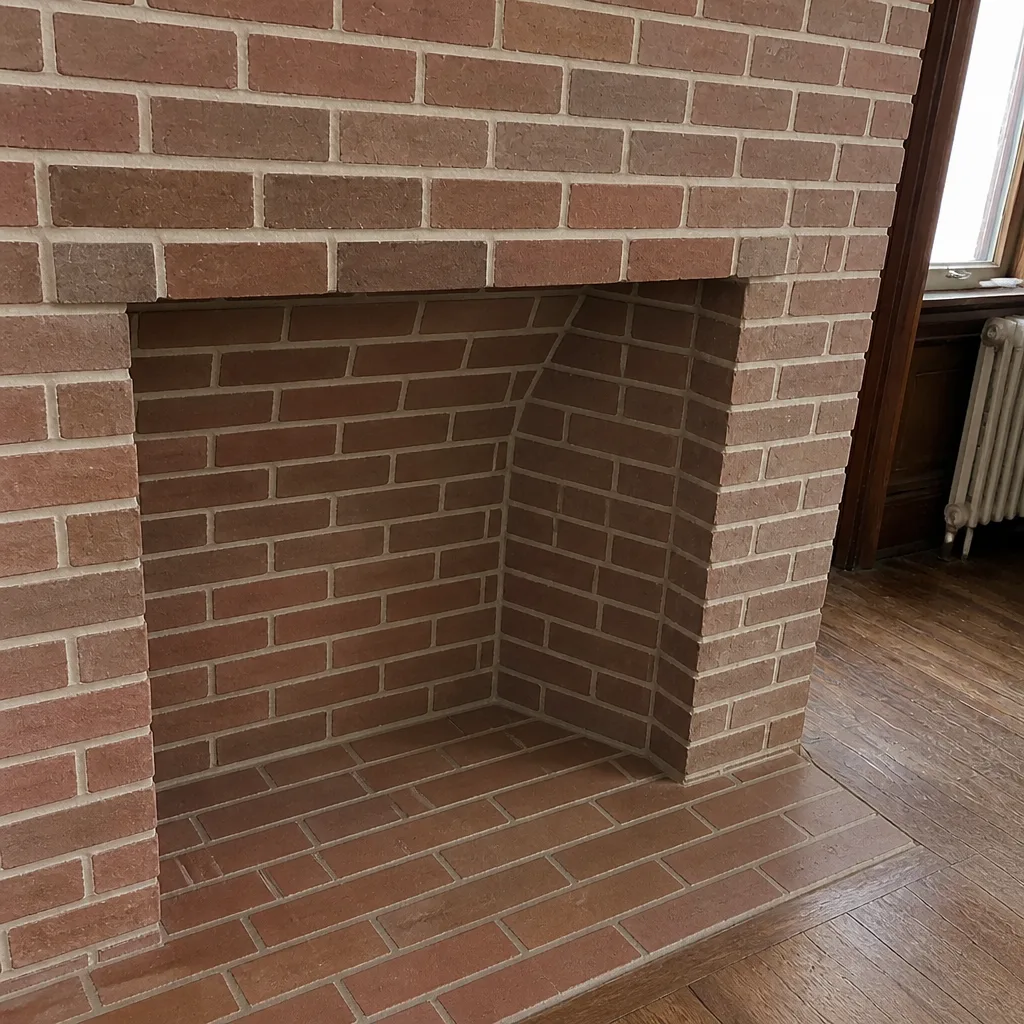
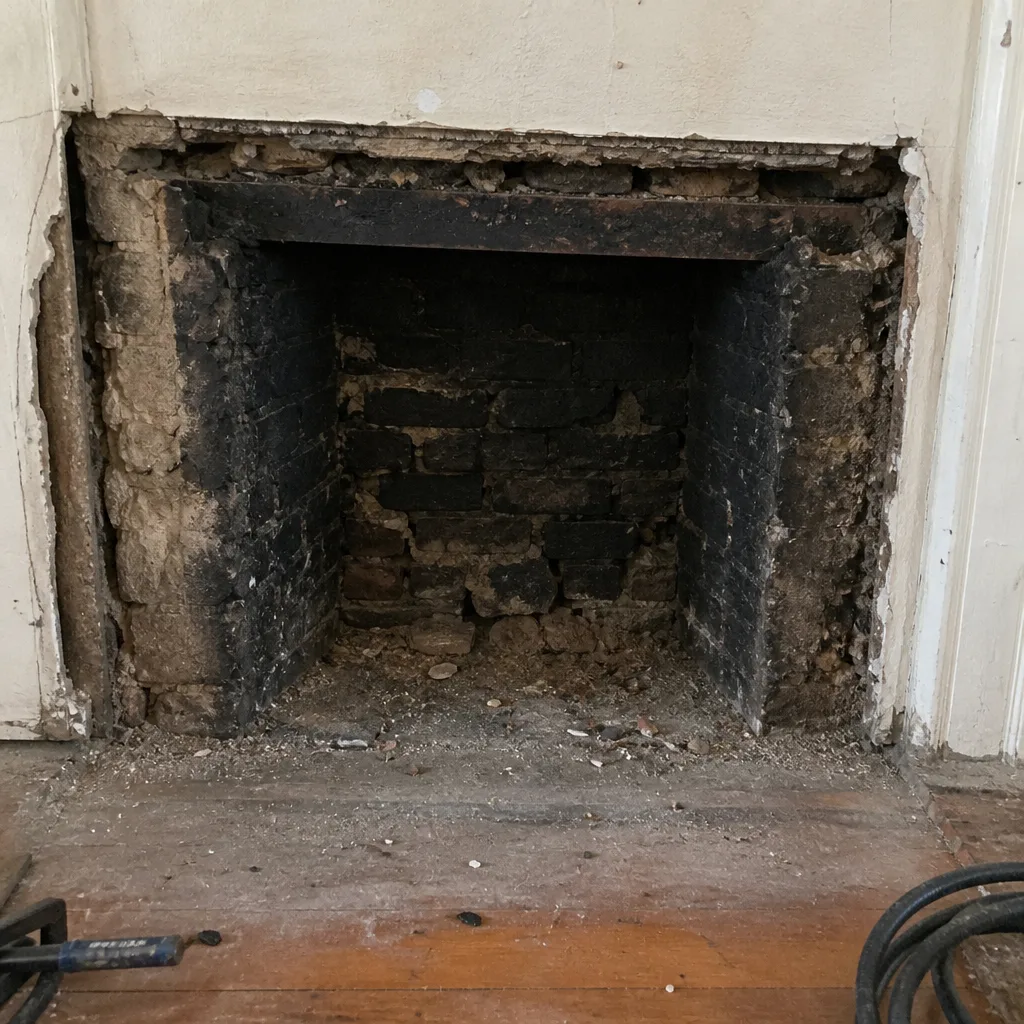
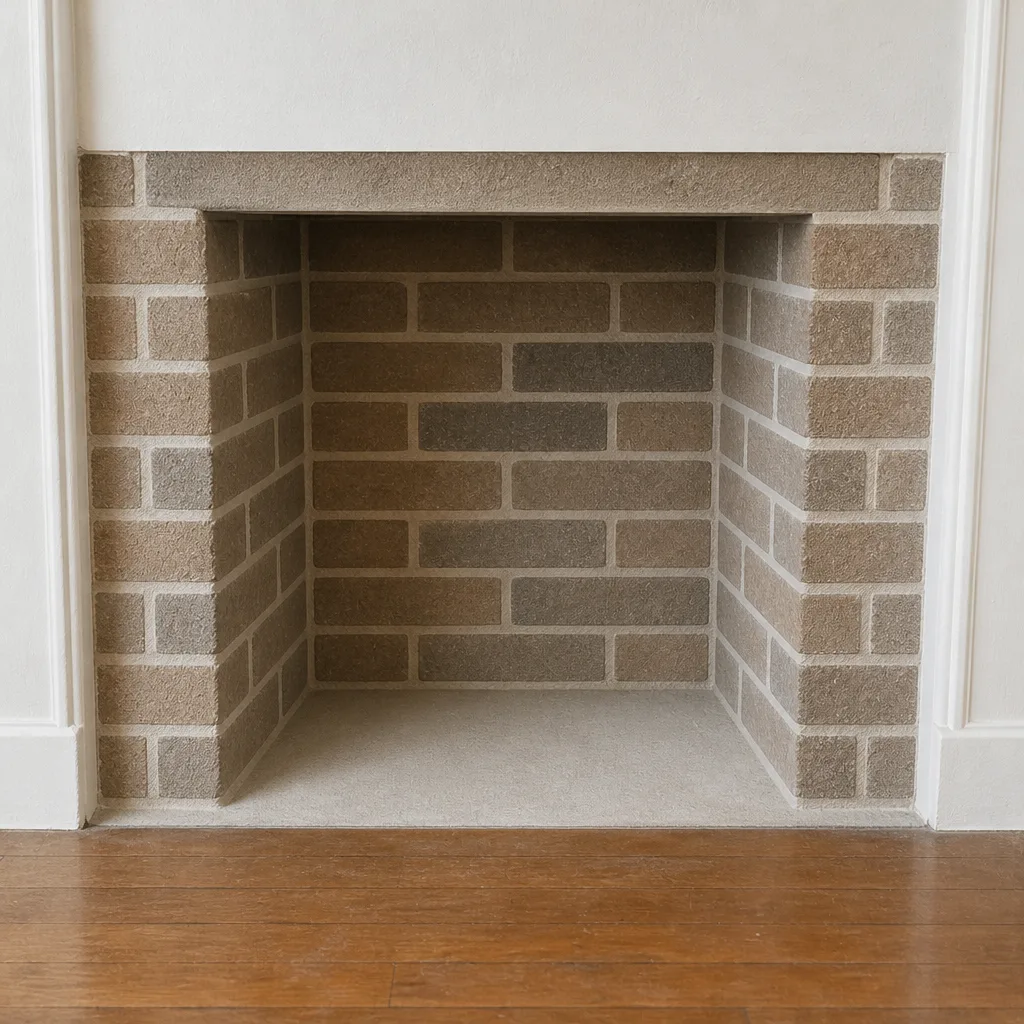
See the difference
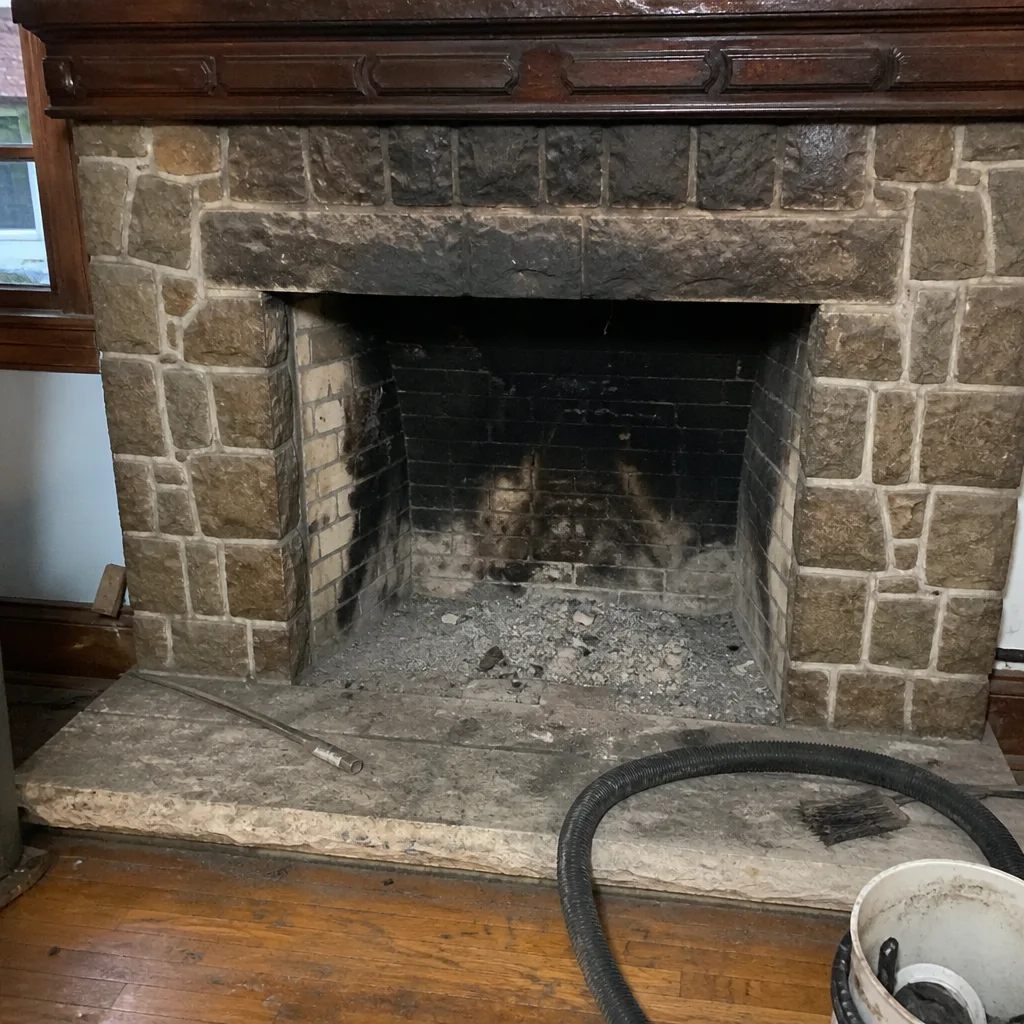 Before
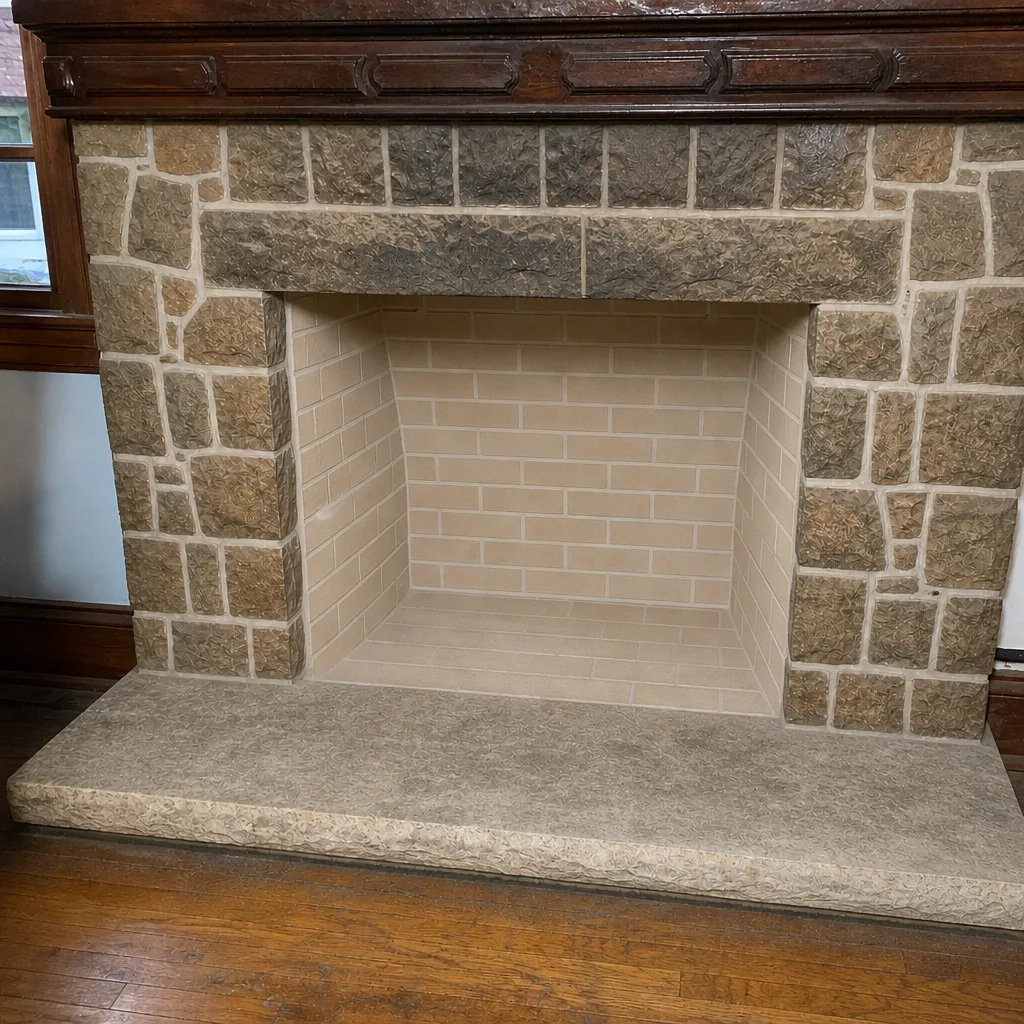 After
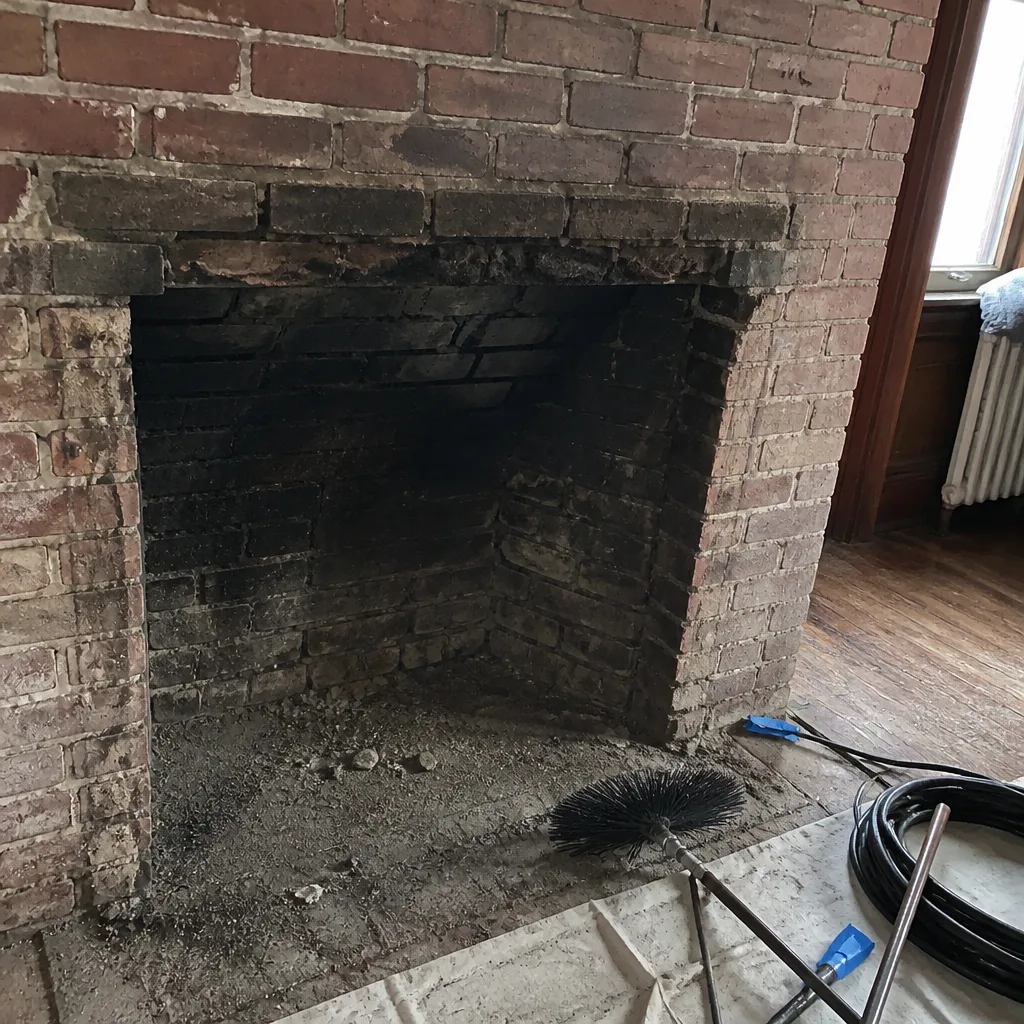 Before
 After
 Before
 After
When to Call a Professional
Call a specialist when you find any of these on the checklist: spalled or crumbling brick, hollowed mortar joints, a cracked or pulling-away crown, a missing or damaged cap, cracks in the firebox refractory, a damper that won’t seat or move, efflorescence on the masonry, gaps or damage in the liner, or any concern about a thimble or connector pipe. Also call if you’ve burned more than a cord and haven’t had a sweep, or if smoke backs into the room when you light a fire. None of these are jobs to handle from the ground with a flashlight and good intentions. A cap, crown, liner, or firebox repair is a specialist’s work, and the camera inspection should come before any repair is proposed. Chimney Sweep Bushwick offers free estimates in Bushwick; call (855) 337-1157 and we’ll set up an inspection that shows you exactly what we’re seeing.
Frequently Asked Questions
Pricing in Bushwick follows the same trade norms as the rest of New York: a routine sweep is a modest line item, a camera inspection adds to it, and repairs are quoted per job after diagnosis. Because we don’t publish a number that would only apply to some homes, the exact price is set by a free written estimate. Call (855) 337-1157 for an exact quote; estimates are free.
Not always, and that’s why we run a camera inspection before recommending one. A liner is needed when the existing clay tiles are cracked, offset, or missing, or when heat and gases have a path to the masonry. DuraFlex flexible liner systems can reline a chimney with minimal demolition, and in some cases HeatShield resurfacing restores a flue without full liner replacement. Nothing gets recommended without video evidence you can review. Call (855) 337-1157 to book the inspection that answers the question.
Sweep based on how much you burn: roughly once every cord of wood, or annually for light use. The key is the smoke chamber and flue, not just the visible firebox. In Bushwick, a fall sweep plus a spring exterior check fits the burn season well. Call (855) 337-1157 to align the schedule with the wood you actually burn.
Creosote builds in the smoke chamber and flue, and a chimney fire can ignite there. Water intrusion through a failed crown or cap slowly damages the masonry. These aren’t hypothetical; they’re the two failure modes we see most often in older Bushwick chimneys. The cost of prevention is far lower than the cost of a chimney fire or a structural repair. Call (855) 337-1157 for a free estimate and a checklist-backed inspection.
Yes. A cap keeps rain, animals, and debris out of the flue. In a climate with hard freezes and wet falls, an open flue lets water into masonry that can then spall and crack through winter. A well-fitted cap is one of the highest-value maintenance items on this list. Call (855) 337-1157 if you’re not sure whether your chimney has one in good condition.
You can spot the exterior warning signs from the ground with binoculars and run the firebox visual checklist safely. What you can’t safely do is climb the roof, look inside the flue, or evaluate a liner. Those require a trained professional. When in doubt, book the inspection. Call (855) 337-1157; we answer 24/7.
The Bottom Line
A maintenance checklist worth using reflects the real failure points of the chimneys it covers. For a Bushwick rowhouse, that means the exterior crown and masonry first, the smoke chamber and firebox second, the flue liner third, and any appliance connection points last. Sweep by cords burned, not by the calendar, and pair every sweep with an exterior inspection before and after the heating season. When you find spalling, cracks, efflorescence, or a bad cap, bring in a specialist. Our technicians have up to 10 years of experience, we work with professional-grade materials like HeatShield and DuraFlex, and we diagnose before we recommend. Call (855) 337-1157 for a free estimate.
Written by the team at Chimney Sweep Bushwick.